Uganda in Crisis: Internet Blackout Imposed as Museveni Seeks Another Term Amidst Election Tensions

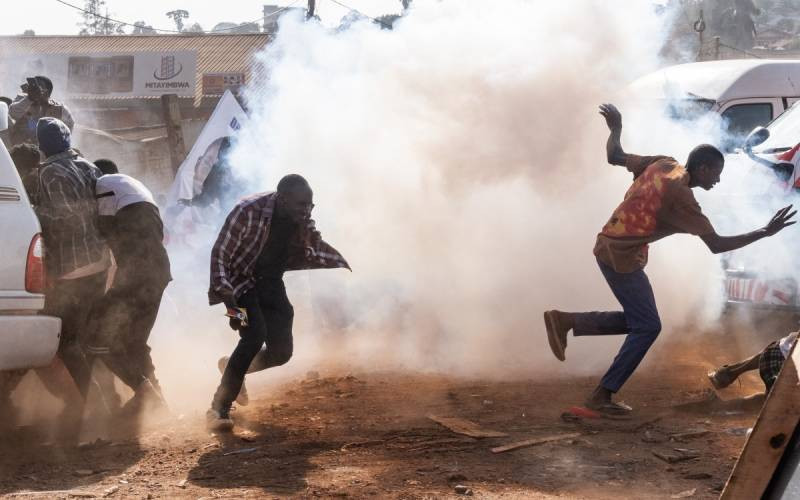
Uganda's 2026 general elections are unfolding against a backdrop of significant tension and tight control, casting a considerable shadow over the credibility of the electoral process. As citizens line up to cast their ballots on January 15, 2026, the pre-election period has been characterized by several restrictive measures, including the suspension of civil society organizations, the arrest of a prominent election governance expert, and a heavy deployment of security forces across the nation.
A critical development impacting the elections has been a nationwide internet shutdown, ordered just hours before polls opened. This move has raised fresh concerns about the fairness and transparency of the upcoming elections, where President Yoweri Museveni, 81, is seeking to extend his rule, which has already spanned close to four decades.
Days before the scheduled voting on January 15, initial confusion arose from a public notice circulating online, purportedly from the Uganda Communications Commission (UCC). This document outlined sweeping restrictions, including the shutdown of mobile money services from January 8, 2026, and the suspension of internet access a week before polling day, also advising citizens to withdraw cash due to claims of unavailable banking services during the election period. The UCC initially dismissed this specific notice as "fake news" on its official X account, urging the public to rely only on verified platforms for accurate information.
However, the Uganda Communications Commission later officially confirmed that a temporary suspension of internet access and selected mobile services would indeed be enforced during the election period. In a public notice issued on Wednesday, the regulator stated that this decision was made based on recommendations from the Inter-Agency Security Committee. The UCC clarified that these measures were intended to limit the spread of misinformation, prevent electoral fraud, and mitigate the risk of violence during voting.
The commission emphasized the temporary nature of the shutdown, assuring that essential services have been exempted to ensure critical systems remain functional. Non-essential internet-based services, which can be delayed, are to remain suspended for the duration of the election period. While acknowledging the inconvenience caused by these restrictions, the UCC asserted their necessity for protecting public order and safeguarding the integrity of the electoral process. Ugandans are set to vote for the president, members of parliament, local leaders, and special-interest group representatives, with some voting continuing in the days following January 15.
You may also like...
AFCON Fury: 'Incompetent Referee' Sparks Outcry Over Calvin Bassey's Controversial Yellow Card and Final Miss
)
The AFCON 2025 semi-final between Nigeria and Morocco was marred by controversial officiating, particularly a contentiou...
AFCON Heartbreak! Super Eagles' Dreams Crushed by Morocco on Penalties in Epic Semi-Final Showdown
)
The Super Eagles exited the 2025 AFCON semi-finals after a 4-2 penalty shootout loss to hosts Morocco, following a goall...
Prime Video's 'God of War' Series Casts Ryan Hurst as Kratos, Igniting Fan Excitement

Ryan Hurst will portray Kratos in Amazon Prime Video's live-action "God of War" series, marking his return to the franch...
K-Pop Sensation: 'KPop Demon Hunters' 'Golden' Hits Staggering 1 Billion YouTube Views!

The hit song “Golden” from the "KPop Demon Hunters" soundtrack has quickly surpassed one billion views on YouTube and wo...
Bruno Mars Dominates Streams: 'I Just Might' Fuels Catalog Surge by 75%

Billboard Pro's Trending Up newsletter reveals how Bruno Mars' new single "I Just Might" is fueling a massive catalog su...
Palm Royale Showrunner Unveils Kubrick Easter Eggs, Teases Season 3 'Trouble'

The "Palm Royale" Season 2 finale culminates in a complex blend of celebration and foreboding, with showrunner Abe Sylvi...
Uganda's Unexpected Unity: Tourism Becomes Peacekeeper Amidst Heated 2026 Elections!

As Uganda approaches its 2026 election period, the nation experiences vibrant political engagement while its vital touri...
Zambia Shocks Travelers: Visa Fees Double by 2026, Yet Maintains Open Skies!

Zambia's Department of Immigration has introduced revised visa fees effective January 1, 2026, significantly increasing ...