U.S. Pressure Secures Peace: M23 Abandons Key Congo City
US pressure, including direct military support and private contractors, has reportedly compelled the M23 rebel group to withdraw from Uvira in South Kivu. In retaliation, the M23 launched a drone attack on Bangoka Airport in Kisangani, which authorities claim was repelled. MONUSCO and Congolese forces are deploying to secure Uvira.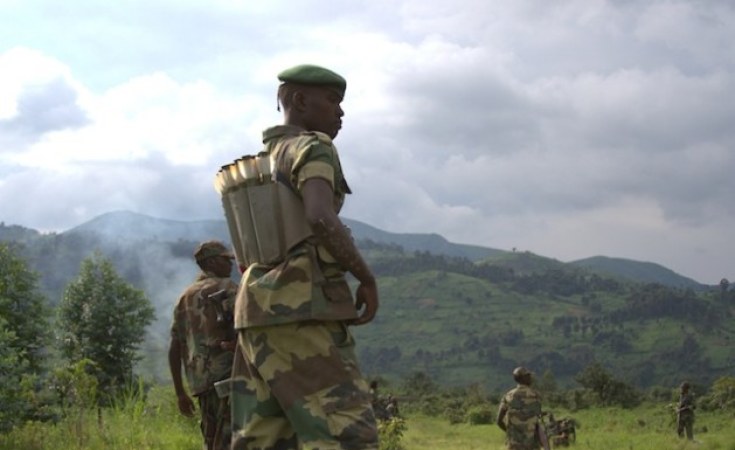
Recent reports from local sources in Uvira, the second-largest city in South Kivu, indicate that the M23 rebel group has been compelled to withdraw from the contested region due to significant US pressure. This development follows weeks of conflict between Congolese armed forces and the pro-Rwandan rebels. M23 fighters are expected to complete their withdrawal from Sange, the last village under their control in Uvira Territory, and relocate towards Kamanyola, where they have maintained a presence for at least six months.
The US pressure exerted to achieve the M23's withdrawal was multifaceted, extending beyond conventional political and diplomatic channels to include concrete actions on the ground. According to Fides sources, approximately twenty US officers are actively supporting the Congolese army. These reportedly comprise about half mercenaries from a private military company and the rest as US military personnel. These individuals are alleged to have played a crucial role in planning the government's offensive and identifying targets for drone attacks, contingent on the M23's non-compliance with withdrawal demands.
Further details from the French publication Africa Intelligence reveal that the US private military company Vectus Global entered into an agreement with the Kinshasa government in January to bolster operations aimed at reclaiming control of Uvira. Members of Vectus Global are reportedly on the front lines alongside Congolese soldiers, providing vital intelligence and artillery support, thereby illustrating the direct involvement of private military contractors in the conflict.
To ensure the security of Uvira following the M23's withdrawal, the United Nations Stabilization Mission in the Democratic Republic of Congo (MONUSCO) is deploying a contingent to the city. Concurrently, hundreds of government military personnel continue to arrive, reinforcing the city's defenses and stabilizing the area. These combined efforts aim to establish a secure environment after the prolonged period of conflict.
In a retaliatory move against the government offensive in South Kivu, the M23 claimed responsibility for an attack on Bangoka Airport in Kisangani, the capital of Tshopo Province in the northeast. Rebel leader Corneille Nangaa characterized this attack as a clear warning to the Kinshasa government, signaling that the airport could no longer be considered a secure logistical base for the army. Authorities in Tshopo Province confirmed that eight explosives-laden drones targeted Bangoka International Airport between January 31 and February 1. Officials reported that all drones were intercepted and shot down before reaching their intended targets, resulting in no casualties. The airport, strategically located approximately 17 kilometers from Kisangani's city center, lies about 700 kilometers from the primary front lines in North and South Kivu, underscoring the M23's capacity to strike targets far from the main conflict zones.