Two African Countries Are Making It Easier to Cross Their Border — Here’s Why It Matters
South Africa and Lesotho have agreed to scrap the passport requirement at their shared border. Here's why the deal matters and what it exposes about how Africa's travel restrictions are holding the continent back.
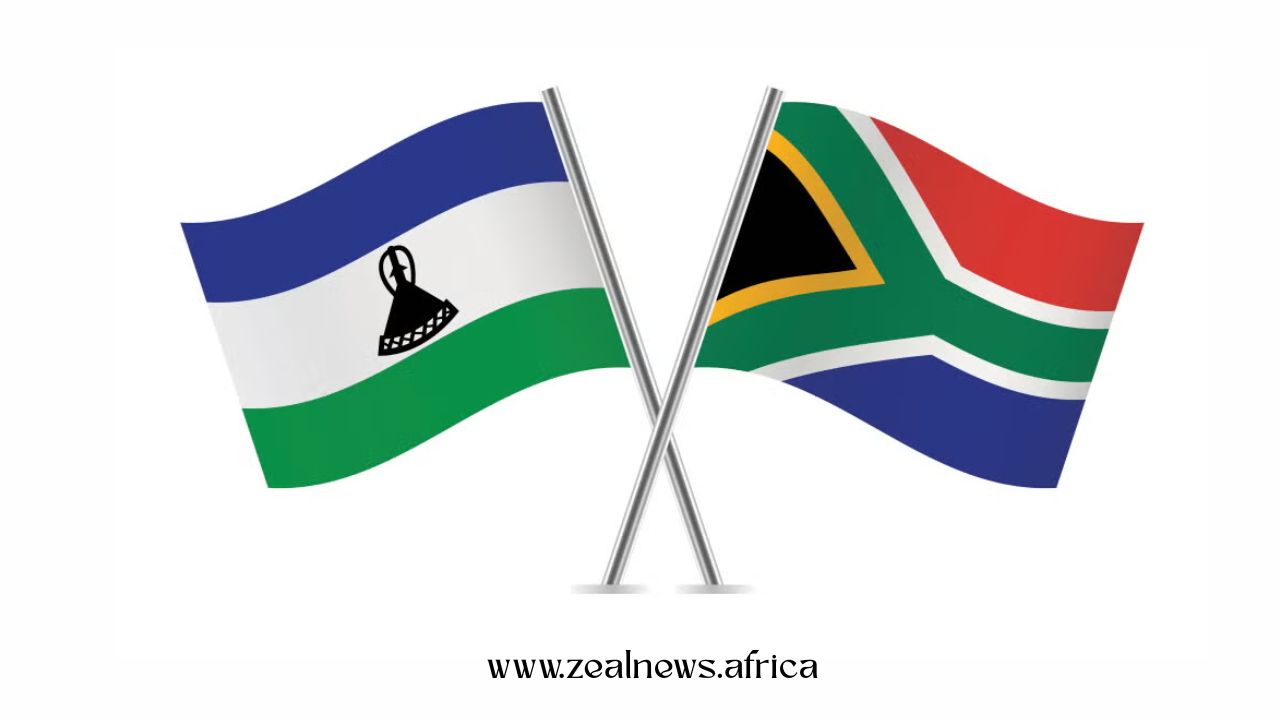
What South Africa and Lesotho agreed to this April could quietly become one of the most consequential steps toward African integration in years, not because of its scale, but because of what it proves.
What South Africa and Lesotho Have Actually Agreed To
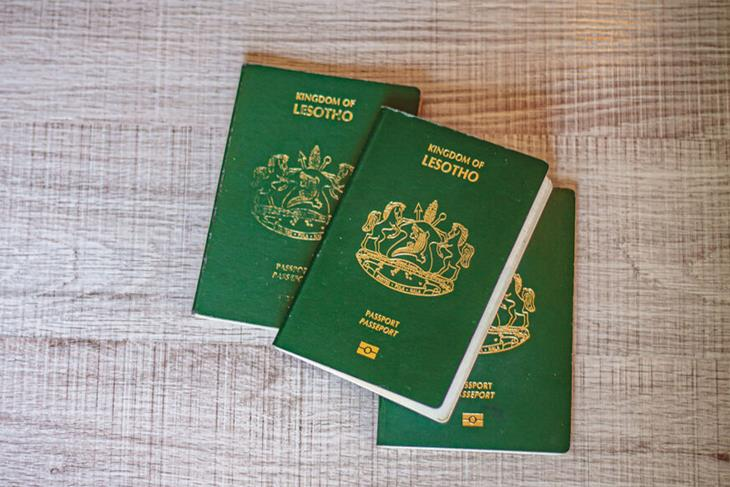
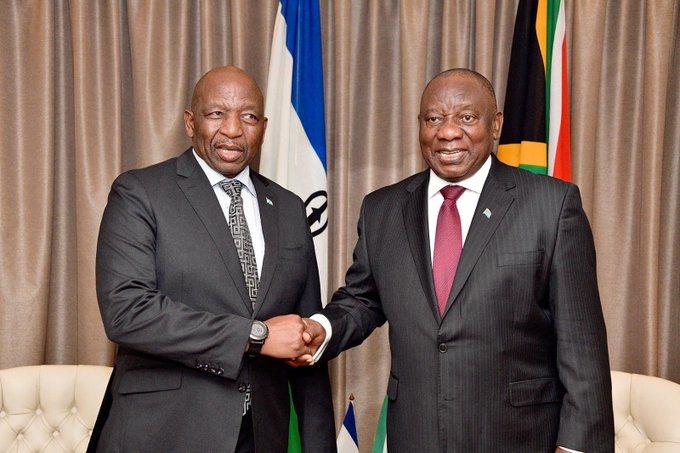
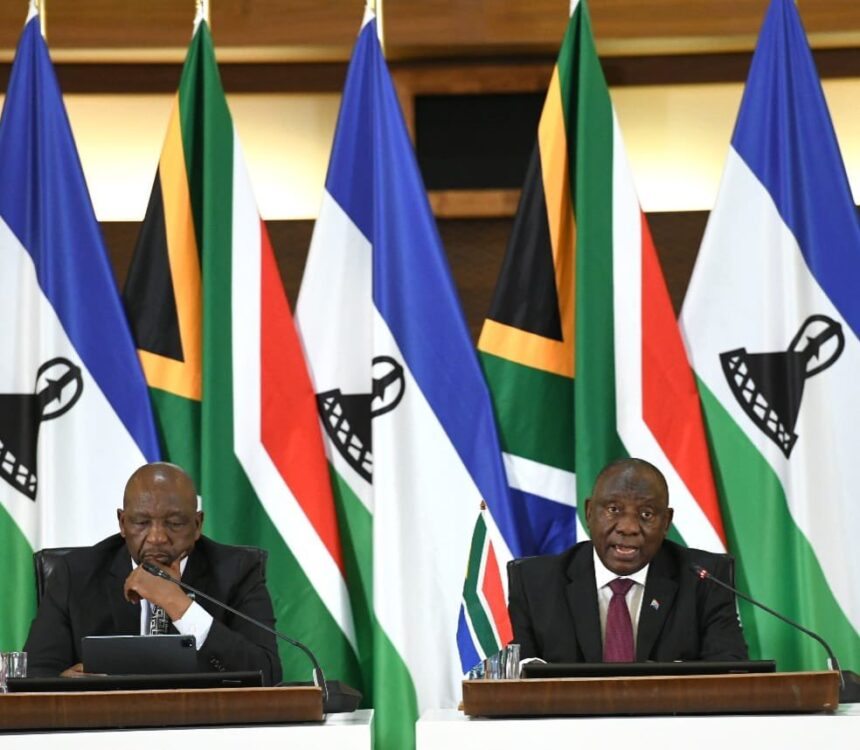
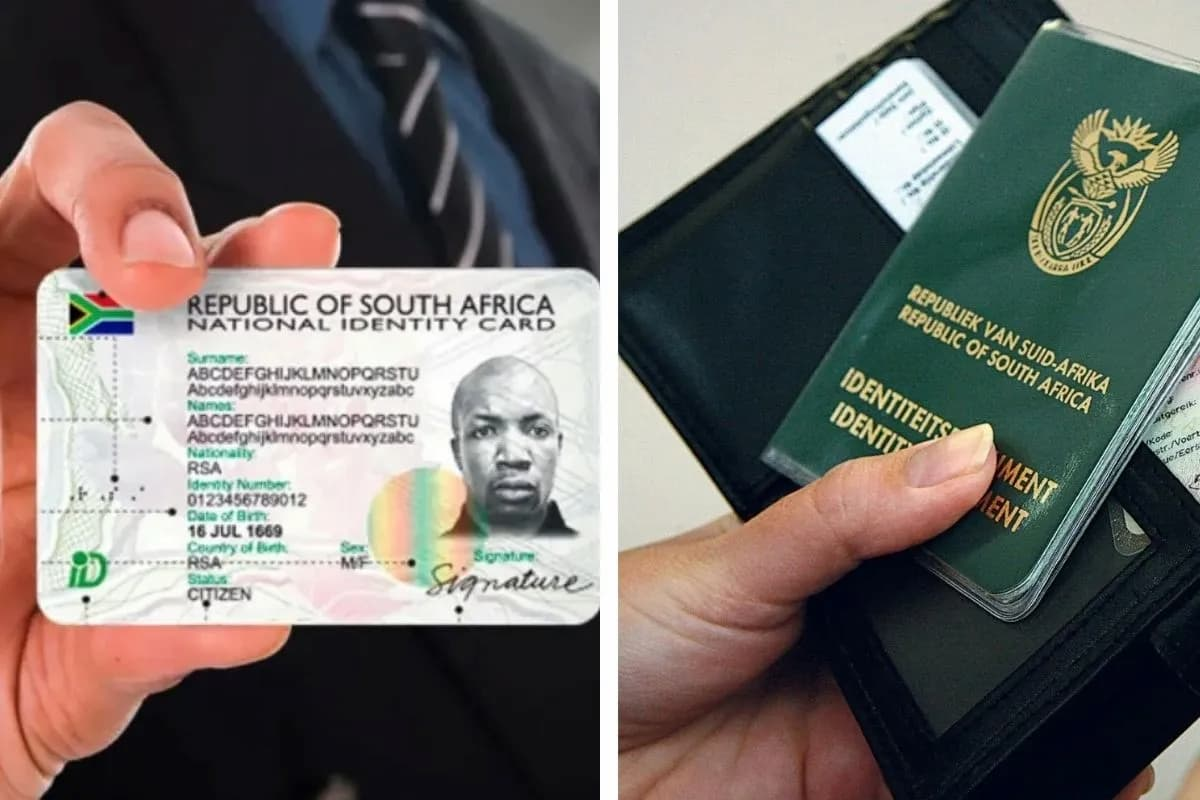
In April 2026, South Africa and Lesotho reached an agreement that citizens of both countries would be able to cross their shared border using only their national identity (ID) cards, no passport required.
Basotho nationals previously barred from South Africa for overstaying will receive amnesty under the new migration model, clearing a backlog of affected individuals who had no clean route back into the country.
The plan also includes an electronic travel authorisation (ETA) system, e-gates at border posts, and a One Stop Border Post model aimed at cutting wait times and reducing bureaucratic friction.
Officials are benchmarking against the existing Botswana-Namibia ID-only border arrangement, with the full plans expected to conclude by mid-2026.
South Africa has also extended conditional 90-day visa exemptions for Lesotho passport holders in the interim.
It's worth pausing on what this means practically. Lesotho is entirely surrounded by South Africa. Its citizens' daily economic life, work, healthcare, trade, routinely crosses that border.
The current passport requirement has been a consistent, unnecessary barrier for ordinary people doing ordinary things.
The new arrangement doesn't just simplify travel. It acknowledges a geographic and human reality that policy has long refused to match.
Africa Is One People. The Borders Don't Always Know That
The South Africa-Lesotho arrangement is notable precisely because it's an exception. Across Africa, neighbouring nations still require each other's citizens to navigate visa applications, produce passports, and in some cases, pay fees and endure days-long processing windows just to enter the next country.
This is a continent where shared borders often share culture, language, and family ties going back generations.
Contrast this with the European Union, where citizens of 27 countries cross borders freely with just a national ID under the Schengen Agreement.
In Southeast Asia, Association of Southeast Asian Nations (ASEAN) nationals enjoy visa-free or visa-on-arrival access to most member states.
The Gulf Cooperation Council (GCC) citizens move across Saudi Arabia, the UAE, Qatar, Bahrain, Kuwait, and Oman without restriction.
In South America, under the Mercosur agreement, nationals travel freely across Brazil, Argentina, Uruguay, and Paraguay.
Meanwhile, an African artist booked to perform in three West African cities still faces three separate visa processes, three sets of documentation, and three potential rejections.
A Congolese trader trying to move goods to a neighbouring market confronts customs walls that drive up costs and kill margins long term.
A Kenyan student accepted to a university in Ghana has to fight through paperwork before they can step into a lecture hall.
And yet, tourists from Europe and North America walk into these same countries with visa-on-arrival stamps and a credit card.

The asymmetry isn't just inconvenient, it's damaging and the long term effects of the damage is now part of the daily life of some Africans.
This isn't a case against border management or sovereignty. Governments have a right and a duty to know who is crossing their borders.
The argument is far simpler than that; why should a Ghanaian need more documentation to enter Senegal than a French citizen needs to enter both?
If the AU and ECOWAS Actually Pushed This, Africa Would Look Different
The African Union's (AU) Agenda 2063explicitly includes free movement of persons across the continent as a strategic objective. The Free Movement of Persons Protocol, adopted in 2018, would allow African citizens to enter any member state without a visa for up to 90 days.
Eight years later, only a handful of countries have ratified it. The Economic Community of West African States (ECOWAS) has a free movement protocol for its fifteen members, but enforcement over the years has been inconsistent, and border officials across the bloc regularly demand a lot of requirements from travellers who technically have every right to cross.
If the AU and regional bodies like ECOWAS, the East African Community (EAC), and the Southern African Development Community (SADC) pushed a unified, enforceable, ID-card border initiative, with the digital infrastructure to back it, the continent's intra-Africa trade figures, already estimated at just 15% of total African trade, would shift.
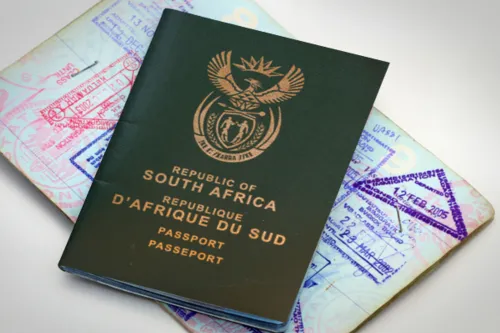
Artists could tour the continent without any hassle. Entrepreneurs could expand their business without any afterthought. Families separated by colonial-era border drawings could move freely between the homes they already share.
South Africa and Lesotho aren't solving the whole problem. They're solving one corridor and documenting how to do it.
The benchmark study, the ETA system, the amnesty provision: all of it is replicable. That's the real value of what they've started.
For too long, Africans have been locked away from each other by bureaucratic walls that serve no one's interest.
Maybe it takes two neighbours, one of them a country entirely enclosed by the other, to show the rest of the continent how this gets done.