Trump Unleashes Fiery Threat: Iran Warned of Annihilation if US Vessels Attacked

Published 9 hours ago3 minute read
Pelumi Ilesanmi
Pelumi Ilesanmi
Trump Unleashes Fiery Threat: Iran Warned of Annihilation if US Vessels Attacked

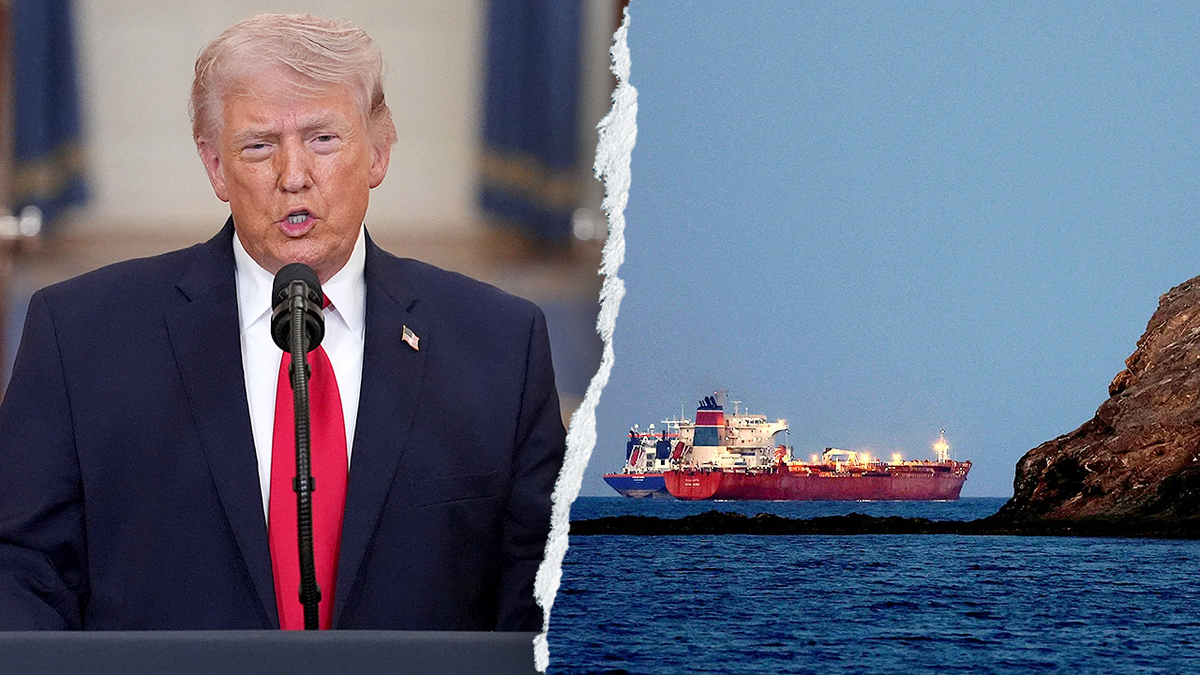
Donald Trump's initiative to reopen the Strait of Hormuz, dubbed "Project Freedom," immediately escalated tensions in the Middle East, risking a return to full-scale war. The US President issued a stark warning to Tehran, stating it would be "blown off the face of the Earth" should it target American ships in the Gulf, echoing similar threats made in April regarding non-compliance over the Strait.

The US launched a military operation to guide ships through the vital waterway on Monday, with Trump hailing it as "one of the greatest military maneuvers ever done" and emphasizing the superior grade of US weapons and global military bases. US Central Command (CENTCOM) confirmed its "guided-missile destroyers" had transited the waterway and, as a "first step," two US-flagged merchant vessels had been guided through. The US also claimed to have destroyed six Iranian small "fast" boats near the Strait, which Commander Admiral Brad Cooper noted was a reduced deployment from Iran's usual 20-40 vessels for harassment.

However, Iran vehemently denied US claims of successful transits, labeling them "lies." Tehran asserted its authority over the Strait, with Major General Ali Abdollahi insisting Iran "maintains and powerfully manages the security of the Strait of Hormuz with full strength" and warned ships to "refrain from any transit" without Iranian permission. Air raid sirens sounded in the region for the first time since last month's uneasy ceasefire, as Iranian forces launched a series of missile and drone attacks on the UAE. Fifteen Iranian missiles were intercepted, while drones struck an empty crude tanker in the Strait and attacked the country's oil fields once more. Iran initially claimed to have hit a US warship but later recanted, stating only "warning shots" were fired. The Islamic Revolutionary Guard Corps (IRGC) dismissed CENTCOM's statement, asserting that "no commercial vessels or oil tankers have passed through the Strait of Hormuz in the past few hours, and the claims of American officials are baseless and completely false."

The renewed hostilities trapped up to 2,000 ships and approximately 20,000 crew members in the waterway, exacerbating the ongoing blockade. Oil prices, which had seen a temporary cool-down with the announcement of Project Freedom, shot back up by 2 percent to £85 a barrel following yesterday's strikes. Shipping bosses expressed concerns over the uncertain situation and a lack of clear operational details for the US plan. German firm Hapag-Lloyd stated its risk assessments "remain unchanged" and that the Strait "remains closed for Hapag-Lloyd transits until further notice."

Diplomatically, the situation remains a deadlock. Iran's foreign minister, Abbas Araghchi, maintained that "there's no military solution to a political crisis" and labeled "Project Freedom" as "Project Deadlock." Tehran is reportedly pushing for the US to delay talks on its nuclear ambitions in return for opening the waterway, a proposal Trump signaled he would reject. The IRGC's intelligence unit suggested the "room for US decision-making has narrowed," forcing Trump to choose between an "impossible military operation or a bad deal." Despite his threats, Trump perceived Tehran as "far more malleable" in negotiations. Iran's foreign ministry spokesman, Esmaeil Baqaei, emphasized ending the war and blamed the US for a lack of progress, urging a "reasonable approach." The fragile, Pakistan-brokered ceasefire that halted hostilities last month failed to open the Strait, which usually transports about a fifth of international oil supplies. Trump also urged South Korea to join his project after one of its cargo ships was reportedly shot by Iran.

Loading...
Loading...
Loading...

You may also like...