Trump Threatens to Torpedo NATO As US Withdrawal Looms
Donald Trump is intensifying threats to withdraw the US from NATO, plunging the 77-year-old alliance into its worst crisis. His anger stems from allies' refusal to join the US-Israeli war against Iran, which has sparked global economic turmoil. European leaders are now considering a 'more European Nato' while Congress attempts to prevent a unilateral US exit.
Donald Trump is intensifying threats to withdraw the United States from NATO, a move that could destabilize the world’s most powerful military alliance and trigger a major Western security crisis.
Former US ambassador Ivo Daalder described the situation as NATO’s “worst crisis in history,” noting that Trump’s long-standing skepticism of the alliance has escalated sharply after North Atlantic allies declined to support the month-long, faltering US-Israeli assault on Iran.
Trump called NATO a “paper tiger” and said he had never been “swayed” by the bloc, signaling his intent to publicly express his “disgust” with the alliance.
The latest tensions follow Trump’s unilateral decision to launch military operations against Iran on February 28 alongside Israeli Prime Minister Benjamin Netanyahu, without consulting NATO allies or invoking Article 5, which triggers collective defense.
More than a month into the conflict, regime change in Tehran has not occurred, while Iran retaliated by closing the Strait of Hormuz.
This action disrupted global oil supply and critical commodities, including fertilizer, creating a looming threat of worldwide economic instability.
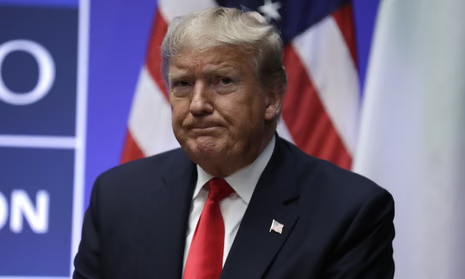
Trump has alternated between claiming a negotiated resolution is near and threatening a ground assault, while pressuring allies to intervene, but no traditional partners have joined the campaign.
European responses have largely condemned the US-Israeli strikes, with leaders such as France’s Emmanuel Macron calling the attacks illegal.
Trump’s threats of NATO withdrawal mark a sharp escalation in his foreign policy posture, reflecting both frustration with allied inaction and a willingness to challenge long-standing security structures.
Analysts are warning that such a move could dismantle NATO’s cohesion, weaken collective defense, and leave the United States and its allies exposed to global threats.