Trump's 'No Churchill' Jibe Ignites UK Political Storm as Starmer Faces Scrutiny
Donald Trump launched a scathing attack on Keir Starmer, branding him 'no Churchill' and criticizing the UK's perceived uncooperativeness following drone strikes on RAF Akrotiri. The controversy highlights a debate over the UK's military readiness and its role in international conflicts, particularly regarding delayed naval deployments and the use of British bases.
Donald Trump criticized Keir Starmer, saying he is “no Churchill” and accusing the UK of not fully supporting US actions against Iran.
The comments came during rising diplomatic and military tensions, after the RAF base at RAF Akrotiri in Cyprus was targeted by a suicide drone believed to be linked to Iran-backed groups.
The base was attacked on Sunday night and again on Monday, shortly after Starmer approved US use of joint UK–US bases and a decision that reportedly came more than 24 hours after Washington’s request.
The UK faced criticism for responding slowly to the crisis, especially for delaying the deployment of naval forces.
While Greece was expected to send warships to protect RAF Akrotiri earlier, the Royal Navy only announced that its Type 45 destroyer, HMS Dragon, would head to the Mediterranean after French President Emmanuel Macron ordered a French frigate to the area.
Macron also said that US and Israeli strikes on Iran were “outside international law.”
Critics questioned why Britain did not send a vessel sooner, despite America’s clear military build-up.
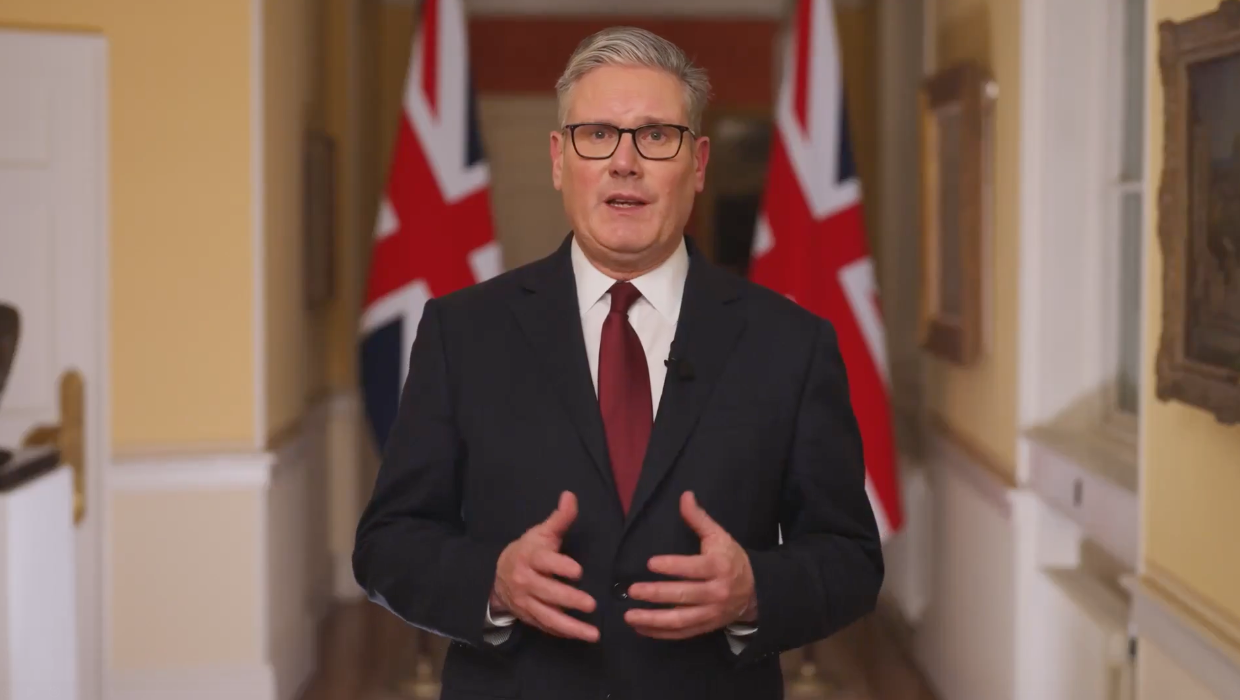
Former Royal Navy chief Admiral Lord West said Britain’s weak response shows how badly the Navy has declined, warning that “Nelson would be spinning in his grave.”
He claimed the Navy has very few active ships or submarines worldwide and blamed the government for ignoring his earlier warnings about rising tensions with Iran.
Rear Admiral Chris Parry criticized Labour’s approach as “strategically illiterate,” arguing the government was pressured into making a small, token effort only after countries like France and Greece acted.
HMS Dragon was expected to take about a week to sail from Portsmouth, where several ships are currently in maintenance.
Shadow Armed Forces Minister Mark Francois remarked that Britain once “ruled the waves,” but now its ships are stuck in port.
Donald Trump criticized the UK, saying he was “not happy” and comparing the situation to not dealing with Winston Churchill.
He accused Britain of being “very, very uncooperative” over the Chagos Islands and pressured Prime Minister Keir Starmer to rethink a deal that would transfer the islands to Mauritius while leasing back the Diego Garcia military base for £35 billion.
Downing Street said the deal is still ongoing and stressed that Diego Garcia remains a vital military asset for both the UK and US, adding that the two countries are still “staunch allies.”
Chief Secretary Darren Jones said Trump was frustrated because the UK did not join the initial US and Israeli strikes.
However, he repeated that Britain would only take military action if it serves British interests, has a clear plan, and follows legal grounds.
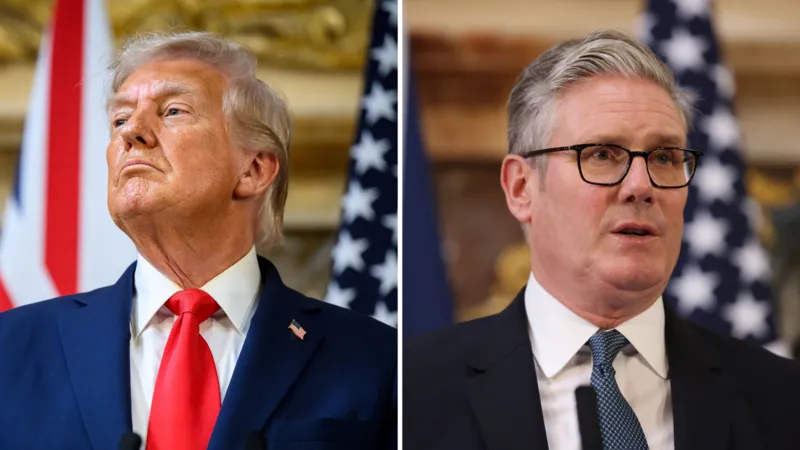
Meanwhile, former senior NATO commander Gen Sir Richard Shirreff defended Starmer, saying Britain should not enter a war “without a clear end point.”
He praised Starmer for keeping a “cool head” and not allowing British bases to be used for the first strikes.

He said Britain should always act in its own interest and avoid military actions without clear plans or exit strategies, referencing the mistakes of the Iraq War in 2004.
Downing Street backed this view, with Chief Secretary to the Treasury James Murray stating that the Prime Minister made the decision calmly and in the national interest.
However, right-wing opposition politicians criticized the government following Donald Trump’s comments.
They argued that Prime Minister Keir Starmer’s stance could damage the UK’s relationship with the United States, its closest ally.
Shadow Chancellor Mel Stride added that Trump seemed to be questioning his relationship with Britain.
Stride also warned that delays in sending a British warship to protect RAF Akrotiri might make Cyprus question the UK’s military presence there.
Although the Ministry of Defence said the damage at Akrotiri was minimal and that further drones were intercepted, the government was accused of being unprepared.
Reports of HMS Dragon’s delayed departure, while a French ship arrived earlier and added to the criticism.
Defence Minister Luke Murray said HMS Dragon and Wildcat helicopters would deploy as soon as possible to strengthen regional security.