Trump's Fiery Iran Ultimatum: Obliteration Looms for Energy Grid Amidst Nightmare Scenario

Donald Trump has issued stern threats to "obliterate" Iran's power stations, fresh water plants, oil wells, and Kharg Island if Tehran fails to agree to peace terms "shortly," despite simultaneously claiming diplomatic progress in ending the war instigated by the US and Israel. Tehran has remained defiant throughout the month-long conflict, dismissing US peace proposals as "excessive, unrealistic and irrational" and continuing to launch missiles at Israel.
In a post on his Truth Social network, Trump expressed confidence in an impending negotiated settlement, asserting that the US was in "serious discussions" with what he termed "a more reasonable regime" in Tehran. However, he warned that if a deal was not struck—including the reopening of the Strait of Hormuz shipping lane—US forces would destroy "all of their Electric Generating Plants, Oil Wells and Kharg Island (and possibly all desalinization plants!)." The White House Press Secretary, Karoline Leavitt, later indicated Trump would be open to asking Arab countries to help fund the Iran war, adding a new dimension to the conflict financing.

Such threats to civilian infrastructure, including power and water facilities, have drawn strong condemnation from human rights groups. Erika Guevara-Rosas of Amnesty International stated that intentionally attacking civilian infrastructure is generally prohibited and could constitute a war crime if it causes disproportionate harm to civilians, especially given its essential role in meeting basic needs for millions. Washington's conduct in the joint war with Israel against Iran has also had diplomatic repercussions, with Spain closing its airspace to US planes involved in the conflict.
The US faces an increasingly challenging set of options, with military operations fraught with danger. An invasion of Kharg Island, Iran's main hub for oil exports, handling 90 percent of its crude oil output, would aim to cut off funding to Tehran. However, this is considered extremely perilous due to Iran's arsenal of 1,000 ballistic missiles and thousands of drones. Iranian forces could also ignite the island's oil storage tanks, creating vast smoke cover to impede assaults. Military experts warn that an initial assault could become a "suicide mission" for troops, with close-quarter fighting making technological superiority less decisive. Even if seized, holding Kharg Island would entail constant missile and drone attacks from the mainland.
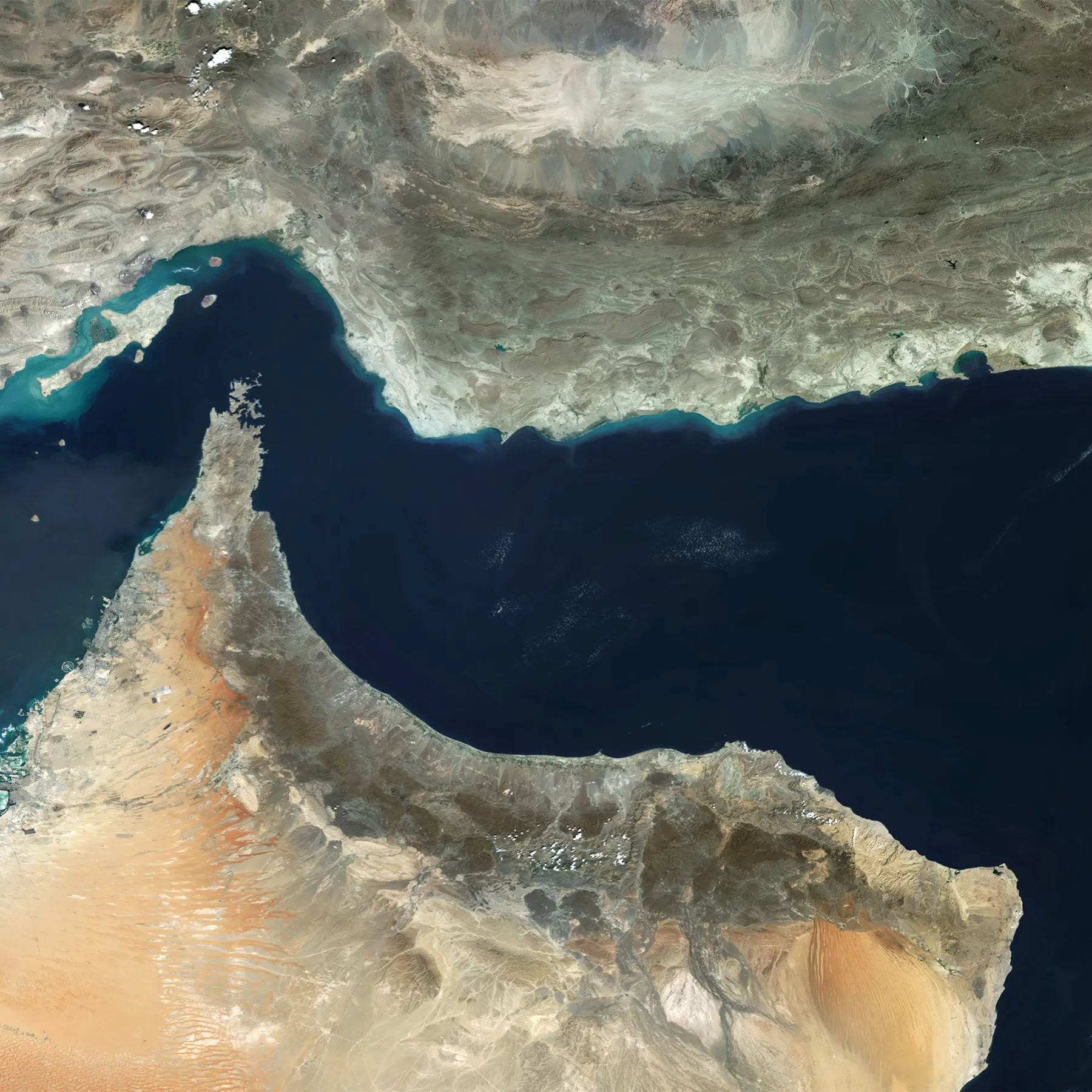
Reopening the Strait of Hormuz, the narrow shipping lane through which about a fifth of the world's daily oil and liquefied natural gas (LNG) supply passes, is equally hazardous. Iranian attacks have effectively closed the strait, and any attempt to escort oil tankers would face cruise and ballistic missiles, fast-attack boats, and sophisticated naval mines. The strait's narrow and shallow passages force vessels close to Iran's mountainous shores, facilitating asymmetric warfare tactics with small, dispersed, and hard-to-eliminate weapons. Response times to incoming threats could be mere minutes.
Another perilous military option is a mission to seize Iran's supply of highly enriched uranium, stored in fortified underground tunnels. Iran possesses around 972 pounds of 60 percent enriched uranium, a short step from weapons-grade levels. Such an operation by US Special Operations Forces would be one of the riskiest and largest in American history. Uranium is stored in facilities like Isfahan, Natanz, and potentially Pickaxe Mountain. Challenges include securing a perimeter against Iranian attacks, unsealing heavily fortified tunnels, navigating booby traps and contamination from fissile material, and exfiltration after the element of surprise is lost. Furthermore, analysts like Jonathan Hackett emphasize that even if physical stockpiles are destroyed, Iran retains the technical knowledge and will to produce centrifuges, process, and conceal uranium, making the "idea" of its nuclear program difficult to eradicate.
The conflict's economic consequences are severe and widespread. Oil prices are on track for a record monthly rise, having increased by 54 percent since the start of March, nearing $117 a barrel, with some analysts forecasting levels as high as $200. The International Monetary Fund warns that continued conflict in the Middle East will lead to "higher prices and slower growth worldwide." Iranian attacks on energy infrastructure in Qatar (Ras Laffan), Saudi Arabia (Abqaiq processing facility, Samref refinery), UAE (Ruwais refinery, al-Hosn gasfield), and Kuwait have demonstrated the potential for catastrophic global economic disruption. The Iran-backed Houthi rebels have also threatened to close the Bab al-Mandeb strait, known as the "Gate of Tears," a critical shipping lane for 12 percent of the world's oil, which could push prices to $150 a barrel and impact the Suez Canal.
The US is also incurring increasing losses and faces vulnerable positions. Iran has struck 104 American and regional bases, forcing the US to prosecute the war remotely and disperse troops. The Prince Sultan Air Base in Saudi Arabia was targeted in a combined missile and drone strike that destroyed an E-3 Sentry aircraft, critical for early warning. Ukrainian President Volodymyr Zelensky claimed Russia supplied Iran with satellite images of the base before the attack. The relationship between the US and its Gulf allies has grown fraught as these allies bear the brunt of retaliatory strikes.
Internationally, there is growing discomfort and dwindling support for the conflict. UK Prime Minister Keir Starmer reiterated, "This is not our war and we are not going to get dragged into it." Egyptian President Abdel Fattah al-Sisi made an unusually forceful call for Trump to end the war, now in its second month. Experts warn that a US ground operation could push the conflict towards an "ever deepening regional war" involving Yemen, Iraq, and Lebanon, with unpredictable and long-lasting humanitarian and economic outcomes.
Trump faces a "nightmare scenario" as the US-Israeli war stretches into its fifth week, with the crisis in the Middle East deepening. While he seeks a negotiated exit to avoid a "forever war," he has also threatened major military escalation if talks fail. Analysts note a lack of clarity regarding a satisfactory outcome. Some experts, like Philip Ingram, argue that partial military action is akin to leaving part of a tumor, implying that the job is only half done and regime change might be necessary to fully eradicate the nuclear threat, a daunting and highly complex endeavor.
You may also like...
Passive Income Ideas Every Nigerian Abroad Should Know
For Nigerians in the diaspora, passive income is not a new idea; it is an old instinct in a new environment. From real e...
Jos Is Bleeding Again: How Many 'Breaking News' Killings Before We Stop Counting?
A fresh wave of violence in Jos exposes a grim pattern of recurring attacks, delayed responses, and a nation growing num...
Instagram Now Wants You to Pay for the App You Already Use for Free. Should You?
Instagram is testing a paid subscription and people are not happy about it. But behind the noise sits a much bigger stra...
Controversy Erupts: Bulls Waive Jaden Ivey Following Anti-Gay Comments

The Chicago Bulls have waived guard Jaden Ivey for conduct detrimental to the team, following his social media rants abo...
Blockbuster Deal: NBA Approves Trail Blazers Sale to Tom Dundon's Group!

The NBA has officially approved the sale of the Portland Trail Blazers from Paul Allen's estate to a group led by invest...
Glen Powell's Cult Classic Movie Proves Timeless, Still Shines a Decade Later!

Glen Powell's acclaimed 'Everybody Wants Some!!' celebrates its 10th anniversary, now recognized as a cult classic despi...
Mind-Bending 'Paradise' Season 2 Finale Delivers Shocking World-Saving Sci-Fi Twist!

The Season 2 finale of "Paradise," titled "Exodus," delivers a high-stakes conclusion, revealing the origin of the senti...
Deadly Plateau Attack Rocks Nigeria, Government Enforces Curfew

A deadly attack in Jos North's Angwan Rukuba community led to an unconfirmed number of deaths and injuries, prompting th...


