Trump's 'Endorsement' Letter Ignites Political Firestorm: Opposition Demands Transparency, Warns Tinubu of Defeat

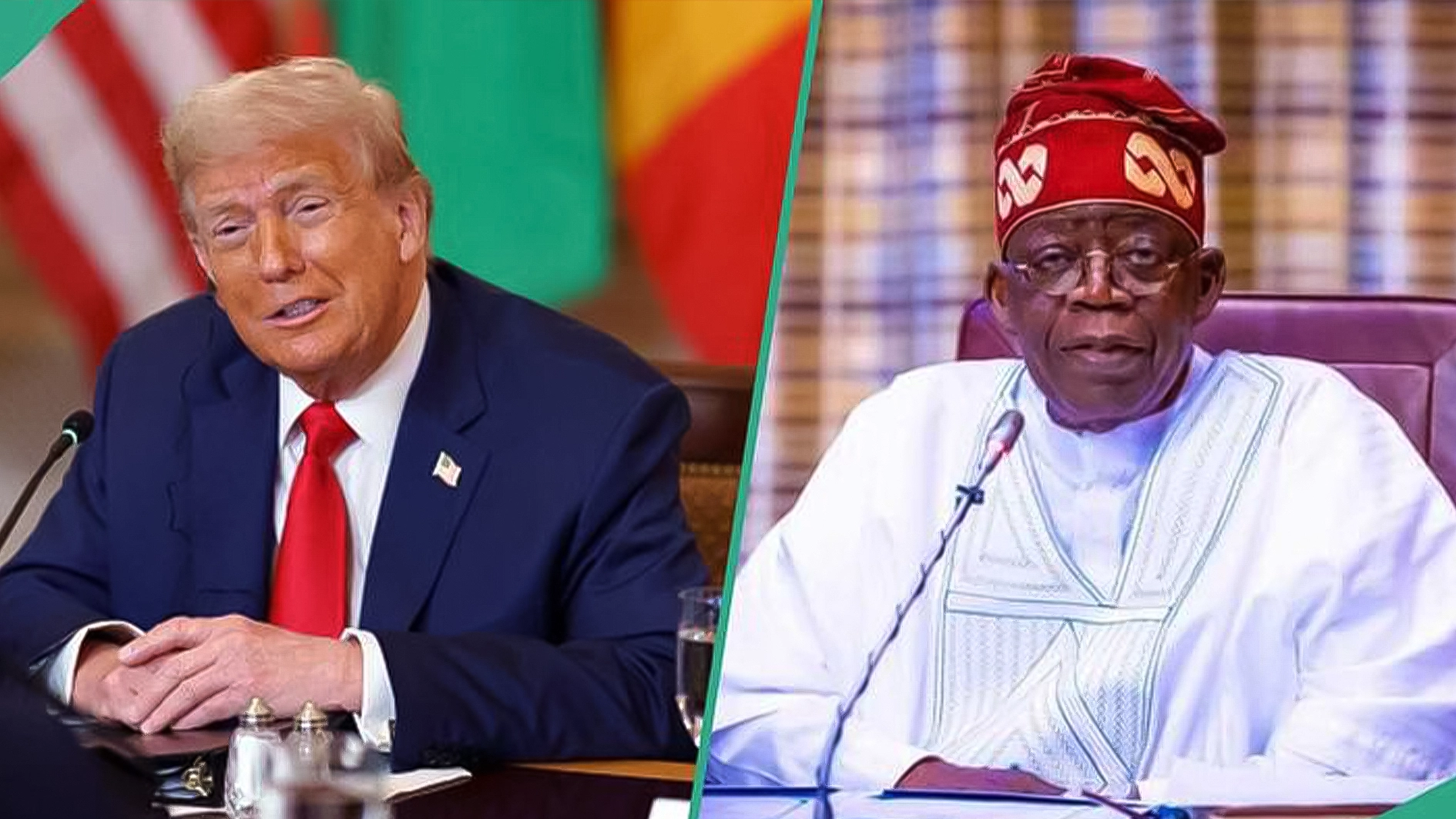
A major controversy has erupted in Nigeria regarding a letter from former US President Donald Trump to President Bola Ahmed Tinubu, with the Nigerian Presidency interpreting it as an endorsement of Tinubu's leadership on insecurity. However, opposition parties and a former APC official have strongly refuted this, calling it a routine diplomatic communication and accusing the Presidency of desperation for validation while Nigeria faces worsening insecurity.
Pelumi Ilesanmi
Pelumi IlesanmiPolitics4 hours ago4 minute read
Key Points
The Nigerian Presidency announced a letter from former U.S. President Donald Trump, interpreting it as an endorsement of President Tinubu's administration and its fight against insecurity.
Opposition parties and a former ruling party official have vehemently challenged the Presidency's interpretation, calling the letter a routine diplomatic communication.
Critics argue the Tinubu administration is misleading the public and should focus on tangible domestic results rather than celebrating foreign endorsements.
Trump's 'Endorsement' Letter Ignites Political Firestorm: Opposition Demands Transparency, Warns Tinubu of Defeat

A significant political controversy has erupted in Nigeria surrounding a purported letter from former United States President Donald Trump to President Bola Ahmed Tinubu. The Nigerian Presidency's interpretation of this letter as an endorsement of Tinubu's administration, particularly its efforts against insecurity and terrorism, has been vehemently challenged by opposition parties and even a former official of the ruling party.

According to a statement released by the Presidency, President Trump commended President Tinubu for his “decisive leadership on behalf of the Nigerian people” in tackling insecurity and terrorism. The letter, allegedly dated July 6, 2026, reportedly lauded Tinubu’s commitment to addressing Nigeria’s challenges, specifically mentioning violence targeting Christian communities. Trump was quoted as saying, “It is a true honour to stand with you in the fight against these terrorists and to make the Federal Republic of Nigeria stronger and more prosperous.”

However, the African Democratic Congress (ADC), through its National Publicity Secretary Mallam Bolaji Abdullahi, swiftly dismissed the Presidency’s claims. The ADC asserted that celebrating a diplomatic communication from a foreign president betrayed the Nigerian President’s “desperation for any form of validation.” The party highlighted that the letter did not reflect Nigeria's worsening insecurity, noting the continued captivity of women and children in Borno and Kaiama, Kwara State, and the constant fear experienced by communities in Benue and other regions. The ADC urged the Tinubu administration to focus on delivering measurable results at home rather than celebrating courtesy letters from abroad, emphasizing that Nigerians would ultimately judge the government by improved lives, not foreign endorsements. The party also pointed out the inconsistency between the Presidency's claims and the unchanged US Department of State's travel advisory, which continued to place parts of Nigeria under Level 3 and Level 4 travel warnings due to crime, terrorism, civil unrest, and kidnapping. This, the ADC argued, made it difficult to view the correspondence as an endorsement.

Similarly, the Allied People’s Movement (APM), through its National Publicity Secretary Abubakar Yusuf, accused the Presidency of misleading Nigerians. The APM maintained that President Trump’s letter merely acknowledged Tinubu’s *stated commitment* to tackling terrorism, not his administration’s performance or achievements. The party described the Presidency’s attempt to distort the letter’s content and context as “reprehensible,” challenging them to identify any portion where Trump praised concrete achievements against terrorists. The APM stressed that despite repeated assurances, Nigerians have yet to see decisive action against terrorist attacks, kidnappings, and killings, urging the administration to prioritize results over political messaging and international endorsements.

Adding to the criticism, Comrade Timi Frank, former Deputy National Publicity Secretary of the All Progressives Congress (APC), challenged the Presidency to publish the alleged letter, insisting it should bear the official White House seal and President Trump’s signature, without which it appears “dubious at best.” Frank argued that even if genuine, the letter was merely a routine diplomatic correspondence acknowledging Nigeria’s cooperation on security matters, not an endorsement of Tinubu’s leadership, economic policies, or political backing for any election. He alleged that the publicity surrounding the letter was a diversionary tactic to draw attention away from discussions concerning court documents related to President Tinubu’s alleged past drug-related matters. Frank questioned the delayed public release of a letter reportedly dated July 6, suggesting that a significant political endorsement would have been released immediately. He further reminded the public that credibility and integrity are earned through transparent leadership and accountability, not conferred by letters, diplomatic exchanges, or public relations campaigns. He also questioned alleged millions spent by the Federal Government on lobbyists in the United States to improve its international image, stating that the US, as a defender of democracy and human rights, would not support a corrupt or tyrannical government.

The consensus among these critics is that President Trump’s letter is a standard diplomatic communication, not an endorsement of the current administration’s overall performance. They contend that the true measure of any government lies in its ability to protect its citizens, address domestic challenges effectively, and improve the daily lives of its people, rather than in foreign commendations or diplomatic pleasantries.

Loading...