Top Eleven Nigerian Artists Making Waves In Nigeria
A culture-driven look at Nigeria’s top music artists, exploring their influence, hit songs, and lasting impact on Afrobeats and global music beyond charts and rankings.
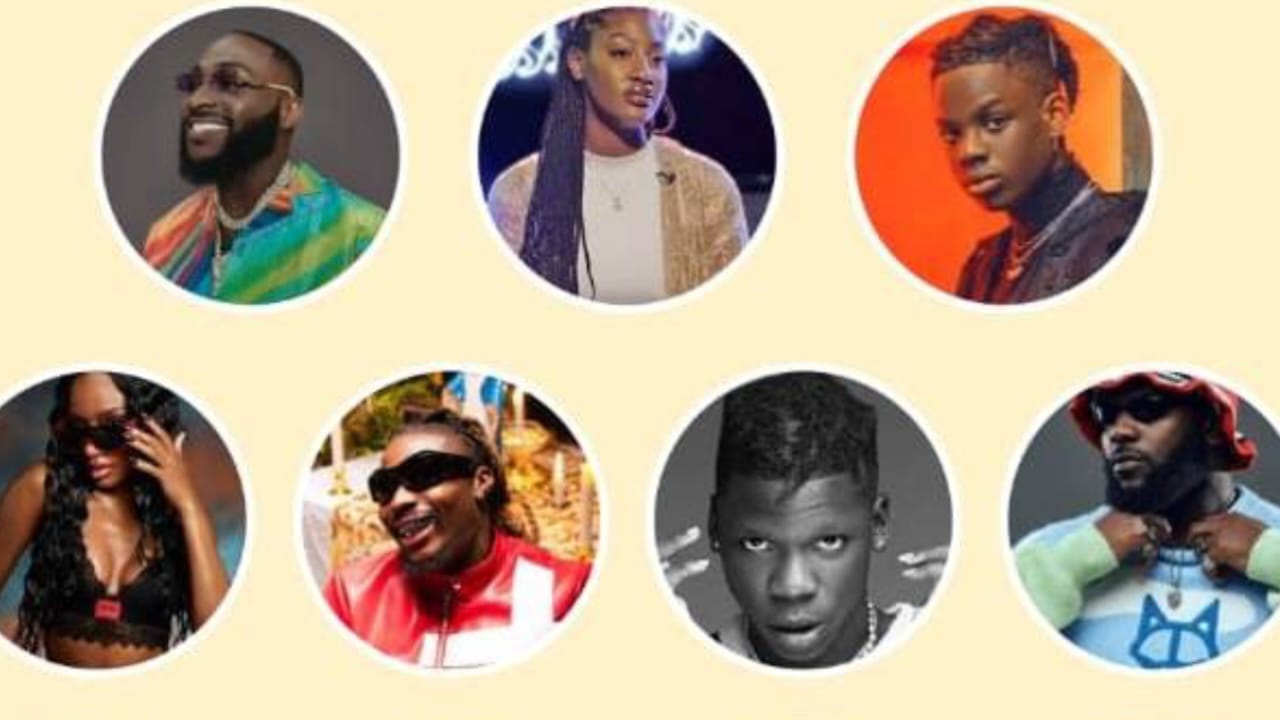
In Nigeria, music is not just sound, it is memory, movement, and identity. It plays in traffic, in living rooms, at weddings, at protests, and in moments when words fail. Ranking artists in a country this musically alive is never just about numbers, streams, or awards; it is about impact, longevity, and the ability to shape culture in real time. These are not just hitmakers, they are mood-setters, trend-starters, and voices that define eras. From stadium-filling giants to genre-bending storytellers, this list reflects artists whose work has crossed borders, challenged expectations, and carried Nigerian music into global conversations. This is not about who shouted the loudest, but about who moved the culture forward and refused to be ignored. So in no particular order of ranking these are the top artists making waves.
Burna Boy
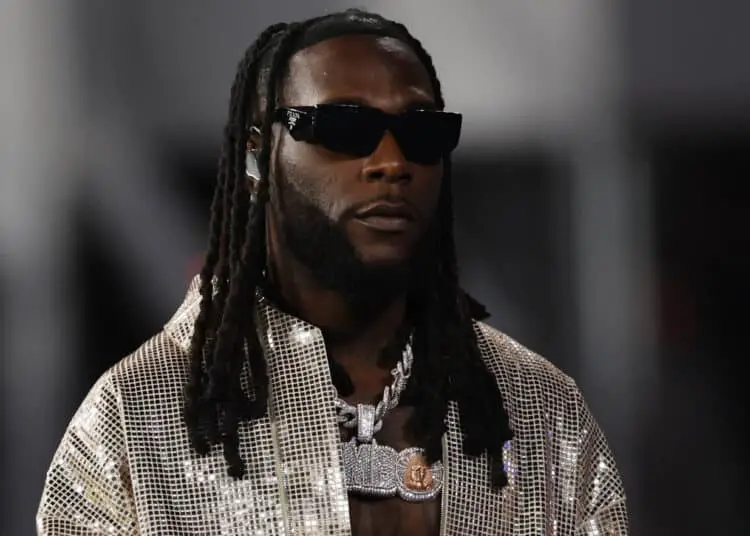
Think Burna Boy is slowing down? Not even close. Damini Ebunoluwa Ogulu moves like an artist permanently allergic to complacency. Over a decade deep, yet he performs with the hunger of someone still fighting for his first mic. From Port Harcourt to Paris, Lagos to Los Angeles, Burna Boy has turned African sound into a global standard, not a niche. Every album arrives like a cultural event, every verse carries the weight of legacy. Songs like On the Low and Ye didn’t just chart; they embedded themselves into global playlists and pop consciousness. Burna isn’t chasing relevance anymore. Relevance is chasing him.
Wizkid
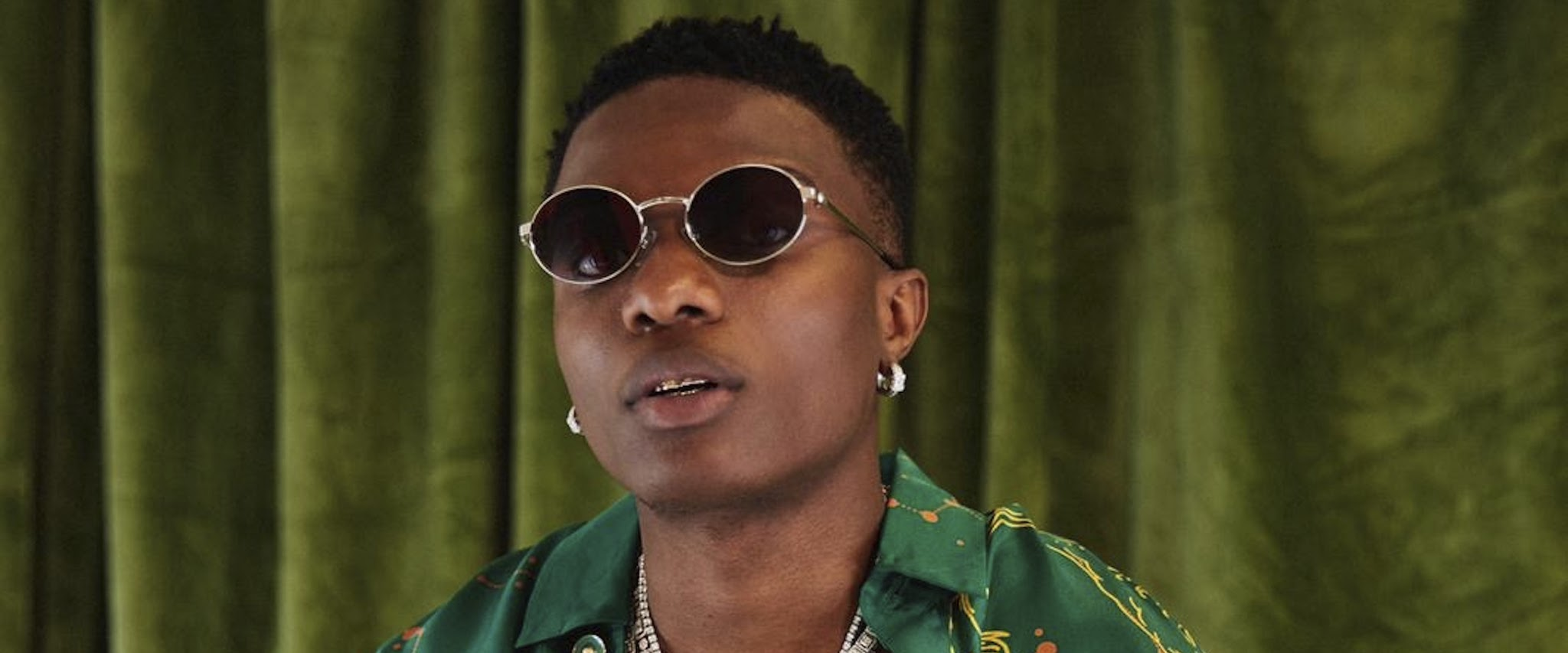
Wizkid’s story reads like prophecy fulfilled. Ayodeji Ibrahim Balogun didn’t just grow from a local prodigy into a global star; he evolved into a musical language of his own. Smooth, restrained, and effortlessly cool, the Starboy makes hits without sounding like he’s trying. From Ojuelegba to Essence, Wizkid has mastered the art of subtle dominance, the kind that sneaks up on the world before it realizes it’s already singing along. When global superstars tap in, it’s not charity, it’s alignment. Wizkid doesn’t shout for attention. His music whispers, and the world leans in.
Davido
David Adedeji Adeleke’s journey is one of defiance and devotion. Born into wealth but choosing rhythm over boardrooms, Davido carved his own lane with sheer consistency and emotional honesty. Loud, energetic, and deeply connected to his audience, he makes music that feels like celebration and survival at the same time. Songs like Dami Duro, If, and Fall became anthems because they carried joy without apology. In an industry where longevity is brutal, Davido has stayed relevant by understanding one thing clearly: people don’t just want hits, they want feeling. And Davido gives it generously.
Olamide
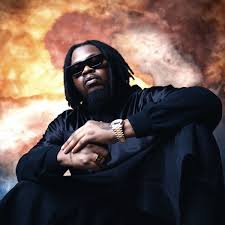
Olamide Gbenga Adedeji didn’t wait for validation; he built his own empire. Rooted firmly in the streets and fluent in Yoruba expression, he turned indigenous rap into a national movement. While others chased crossover appeal, Olamide doubled down on cultural authenticity and ended up influencing an entire generation anyway. Beyond his own hits like Wo and Motigbana, his greatest legacy may be the stars he helped raise. Olamide isn’t just an artist; he’s an institution, quietly shaping Nigerian music from behind the scenes while still owning the spotlight when he steps into it.
Tiwa Savage
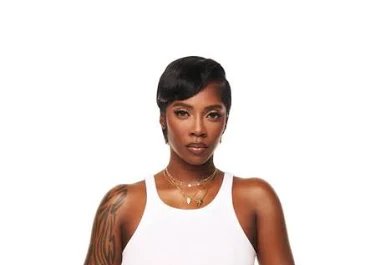
Tiwatope Omolara Savage didn’t just enter a male-dominated industry; she challenged its balance. With vocal strength, songwriting depth, and undeniable stage presence, she redefined what it meant to be a female Afrobeats star. From emotional records to confident, self-assured anthems, Tiwa’s music reflects growth, vulnerability, and power. Songs like All Over and Koroba resonated because they felt honest. She didn’t ask for space at the table. She redesigned the table entirely.
Phyno
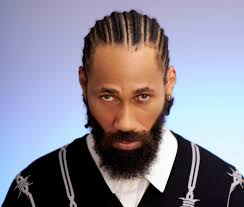
Chibuzo Nelson Azubuike's rise was quiet but intentional. Rapping primarily in Igbo, he proved that language was never a limitation, only fear was. His delivery carries pride, humor, and cultural grounding, making songs like Fada Fada instant classics. Phyno represents a kind of success that doesn’t dilute identity to fit in. Instead, it invites the world to listen closer. In an industry obsessed with trends, Phyno stayed rooted, and that rootedness became his power.
Asake
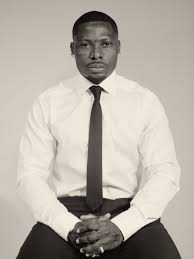
Ahmed Ololade popularly known as Asake didn’t knock on the door; he kicked it open. His sound arrived raw, spiritual, street-coded, and impossible to ignore. Blending Fuji influences with Amapiano and Afrobeats, he captured a feeling many artists couldn’t name but everyone recognized. Records like Sungba and Joha felt like rituals, not just songs. Asake’s rise reminds the industry that sometimes, the future sounds like the past reimagined loudly.
Rema
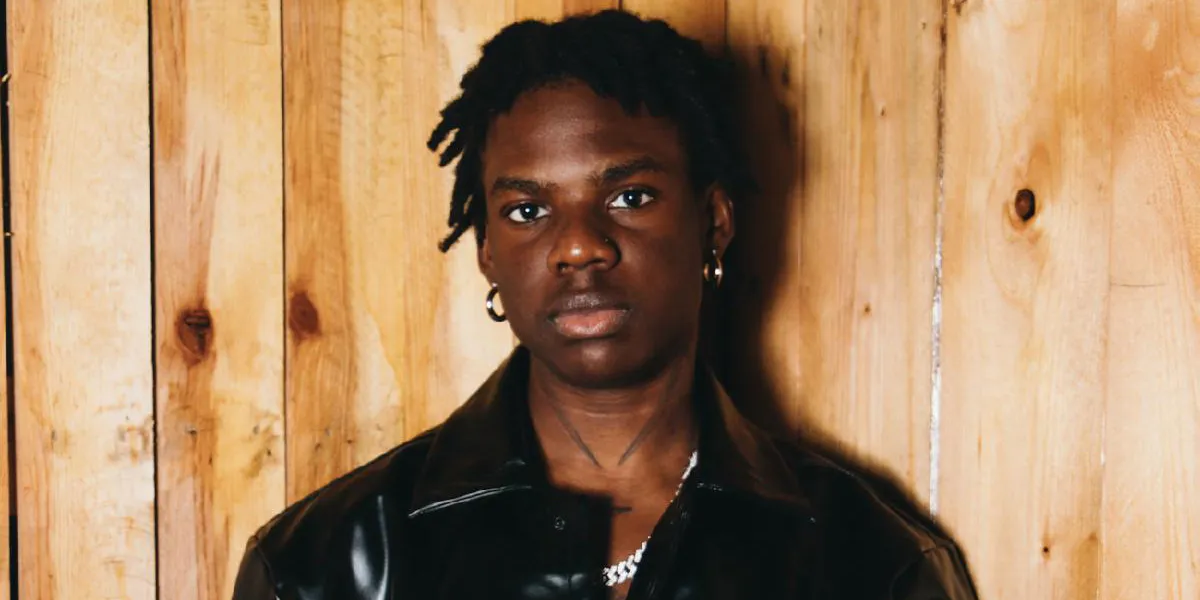
Divine Ikubor popular known as Rema moves like tomorrow already belongs to him. Young, experimental, and unapologetically different, he stepped into the industry without asking permission. His music feels digital, emotional, and genre-fluid, connecting deeply with Gen Z audiences worldwide. Dumebi announced his arrival, but Calm Down confirmed his global reach. Rema doesn’t just make music for now; he makes music that understands where culture is headed next.
P-Square
Peter and Paul Okoye were a phenomenon. At their peak, they weren’t just making hits; they were defining pop performance across Africa. Their harmonies, choreography, and love-driven lyrics turned songs like Do Me and No One Like You into timeless records. P-Square represented unity, spectacle, and ambition in an era when African pop was still fighting for continental recognition. Their legacy remains undeniable.
Ayra Starr
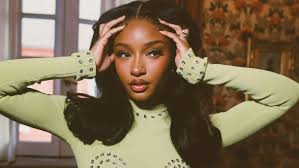
Ayra Starr arrived like a spark that refused to dim. Sarah Oyinkansola Aderibigbe didn’t just step into the industry; she announced a new feminine confidence that felt young, restless, and fearless. From Away to Rush, Ayra captured the voice of a generation navigating love, ambition, and self-worth in a hyperconnected world. Her music balances vulnerability with boldness, softness with swagger. What makes Ayra compelling isn’t just her sound, but her clarity—she knows who she is, even while still becoming. In an industry that often pressures women to shrink or conform, Ayra Starr stands tall, singing her truth without apology. Small body, big star energy, no debates.
Tems
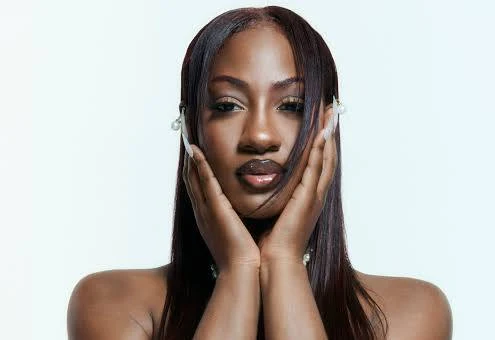
Tems doesn’t chase the spotlight; the spotlight adjusts itself around her. Temilade Openiyi emerged with a voice that feels ancient and futuristic at the same time—raw, soulful, and emotionally unfiltered. Her sound defies easy categorization, floating somewhere between R&B, alternative soul, and African spiritual expression. Songs like Try Me, Damages, and Free Mind didn’t just trend; they lingered, sitting with listeners long after the music stopped. International collaborations didn’t change her essence; they amplified it. Tems represents a shift in Nigerian music, where silence can be powerful, restraint can be magnetic, and authenticity travels farther than hype. She isn’t loud, but she is undeniable.
Conclusion
If I really want to continue this list would be endless because Nigeria has so many amazing talents and to be honest what separates great artists from lasting ones is not just talent, but intention. The names on this list represent different sounds, different journeys, and different philosophies, yet they share one thing in common: relevance that refuses to fade. Nigerian music has evolved from local soundscapes to global dominance, and these artists have been at the center of that transformation, each in their own way. As trends shift and new voices rise, the influence of these musicians will continue to echo, not just in charts or playlists, but in the confidence of a generation that now knows its sound belongs everywhere. The crown may rotate, the spotlight may shift, but the legacy being built here is permanent.