Thinking of Defaulting on Your OPay or PalmPay Loan? Read This First
Thinking of defaulting on your OPay or PalmPay loan? Here's what happens to your BVN, credit score, future loan applications, and why ignoring fintech debt could cost you more than you think.
You take a quick loan from OPay or PalmPay because rent is due or a business emergency has come up or maybe you are yet to receive salary. Thirty days later, the repayment date passes and you simply don't pay.
You made no call to customer care, no plan and you tell yourself it is just an app, they can't do anything serious and life moves on.
This is a more common story than most people admit. A lot of Nigerians treat fintech loans differently from bank loans, as if borrowing from an app carries less weight than borrowing from a traditional bank.
It doesn't and the consequences go far beyond the interest that keeps piling up on your outstanding balance.
Let's break down what actually happens when you default, in plain terms.
Your Debt Grows Faster Than You Think
Most people already know that defaulting means extra interest. What they underestimate is how aggressive that extra interest can be.
Several of these lending apps charge a daily rollover fee once you miss your repayment date, and daily compounding adds up quickly. A loan of a few ten thousand naira can balloon by well over a hundred thousand naira in a matter of weeks if it sits unpaid.
What looked like a manageable loan becomes a debt trap because you ignored it for too long.
Your Credit History Follows You
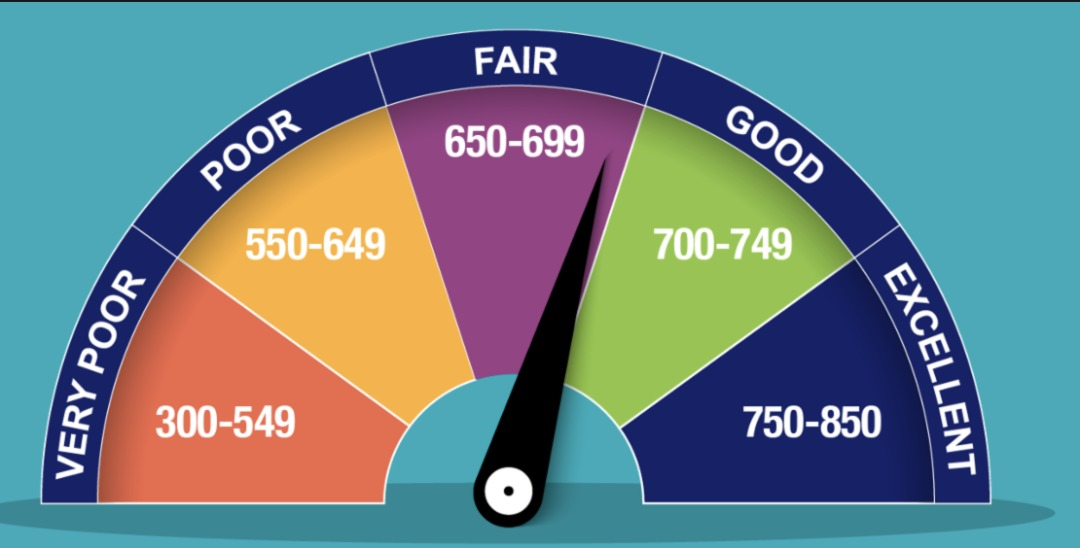
OPay, PalmPay, and other licensed digital lenders report to credit bureaus like CRC Credit Bureau, CreditRegistry and FirstCentral. Every loan you take and every loan you default on, gets logged against your Bank Verification Number.
Your BVN is tied to you for life.
This means the loan you ignored on PalmPay doesn't just disappear when you delete the app or switch to a new phone number. It sits on your credit file which is visible to any other bank or fintech that checks your history before approving a future loan.
A default from years ago can quietly deny you a car loan, a mortgage, a business loan or even a simple salary advance you badly need later, and you may never get a clear explanation why you were rejected.
You Get Locked Out of the Wider Lending Ecosystem
Fintech lenders in Nigeria increasingly share data with each other, formally through credit bureaus and informally through industry watchlists.
Default on one platform and you may find yourself unable to borrow from several others, even ones you have never used before.
The lending apps talk to each other in ways most users don't realize. Basically, the short-term relief of skipping one repayment can cost you access to credit across an entire ecosystem, right when you might need it most.
Legal Action is a Real Possibility
People assume these are small companies that won't bother chasing a loan of fifty or a hundred thousand naira. That assumption is wrong.
OPay and PalmPay operate through licensed microfinance banks, which means they have the same legal standing as any bank to pursue unpaid debt. For larger unpaid balances, some lenders do escalate to debt recovery agencies or take legal steps, including approaching the courts.
It rarely happens for tiny amounts, but the bigger your default, the more real this risk becomes.
A few years ago, the case of embarrassment still exists. Some of these apps became notorious for messaging your contacts to shame you into repayment.

New consumer protection rules from the Federal Competition and Consumer Protection Commission have clamped down on that kind of harassment and lenders that still do it are now breaking the law.
That is good news but don't mistake this for lenders losing their teeth. They have simply shifted from public shame to a lasting damage of a bad credit file and blocked future borrowing, which in many ways is harder to undo than a moment of embarrassment.
Why This Matters More
Nigeria's financial system is moving toward a future where your BVN carries a real credit score, like in more developed economies. Right now, some people still default and slip through the cracks because the system isn't fully joined up yet.
That window is closing. Fintechs are under tighter regulation, credit bureaus are becoming more central to lending decisions, and the habit of borrowing and disappearing is going to catch up with more people.
What to Actually Do Instead of Defaulting Silently
If you genuinely cannot pay on time, silence is the worst option. Reach out to customer support before the due date.
Ask about restructuring or an extended repayment plan. Many lenders would rather adjust your terms than lose the loan entirely, because a partial recovery is better for them than none.
If the amount is large and you are truly stuck, get advice on your options rather than assuming ignoring it will make it go away.
Defaulting on a fintech loan might feel like a private decision that stays between you and an app but it isn't.
Your BVN remembers, the credit bureaus remember, and eventually, when you need credit for something that actually matters, that memory will speak for you before you get the chance to explain yourself.