The Rise of Archetypal "Aunty" Characters in Nigerian Skits: From Curvy Ladies to Comic Stereotypes
The rise of the Nigerian “aunty” skit character reveals how comedy has shifted from curvy female stereotypes to exaggerated cultural caricatures built for virality.
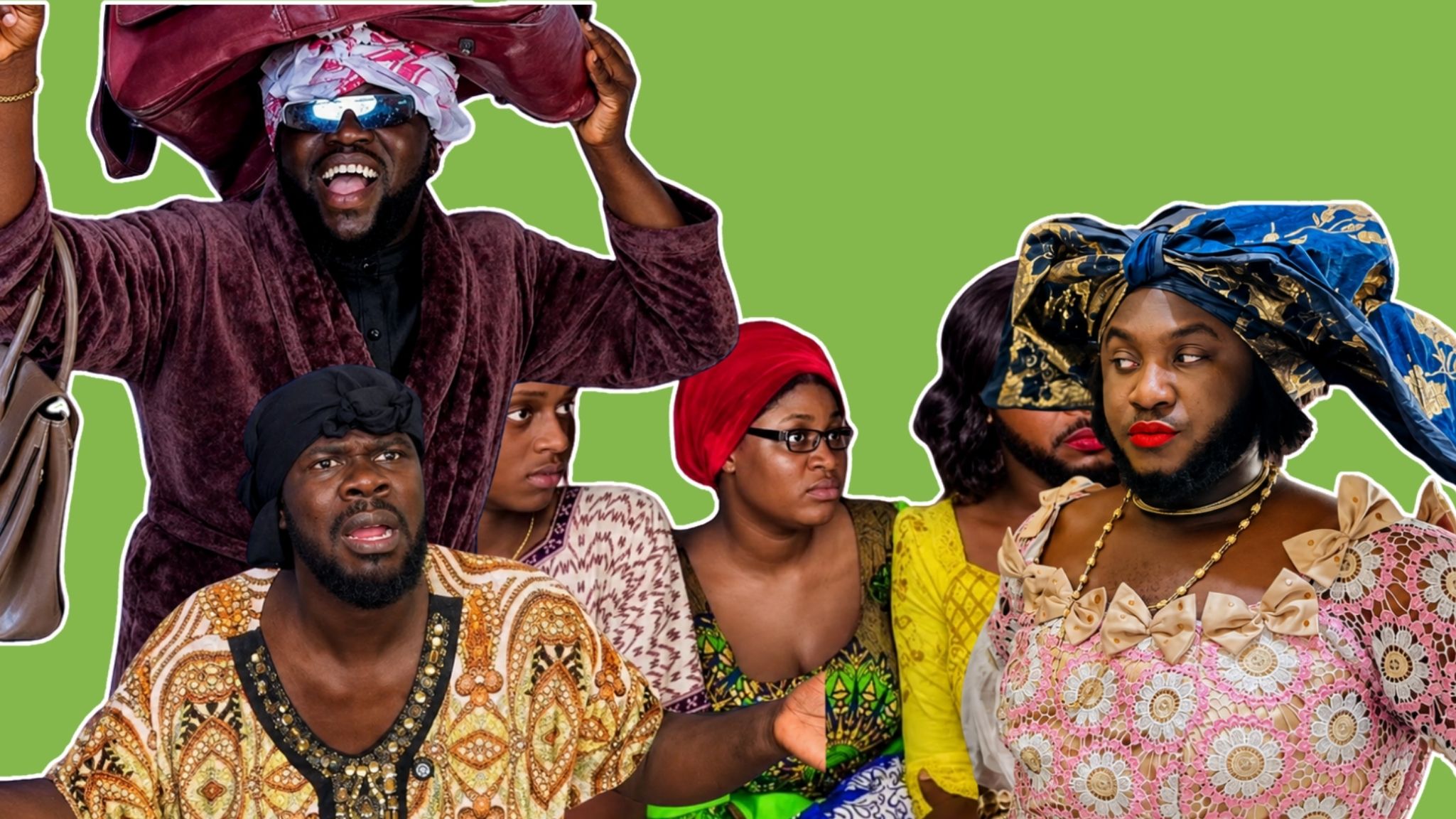
I have noticed a pattern. With each scroll and each skit maker I stumble upon, they are either playing deathly pranks or they have a wrapper tied high on their chest with a wig that seemingly depict the taste of the older generation. It is almost formulaic at this point.
Open any social media app used by lots of Nigerians, scroll for two minutes, and there she is again: loud, scarf usually from Ankara tied to the side, hands on hips, ready to deliver a punchline built entirely on exaggeration.
The Nigerian skit industry, once celebrated for its raw comedic timing and relatable everyday humour, appears to have settled into a new creative shortcut, the one that leans heavily on a single archetype: the "aunty" character.
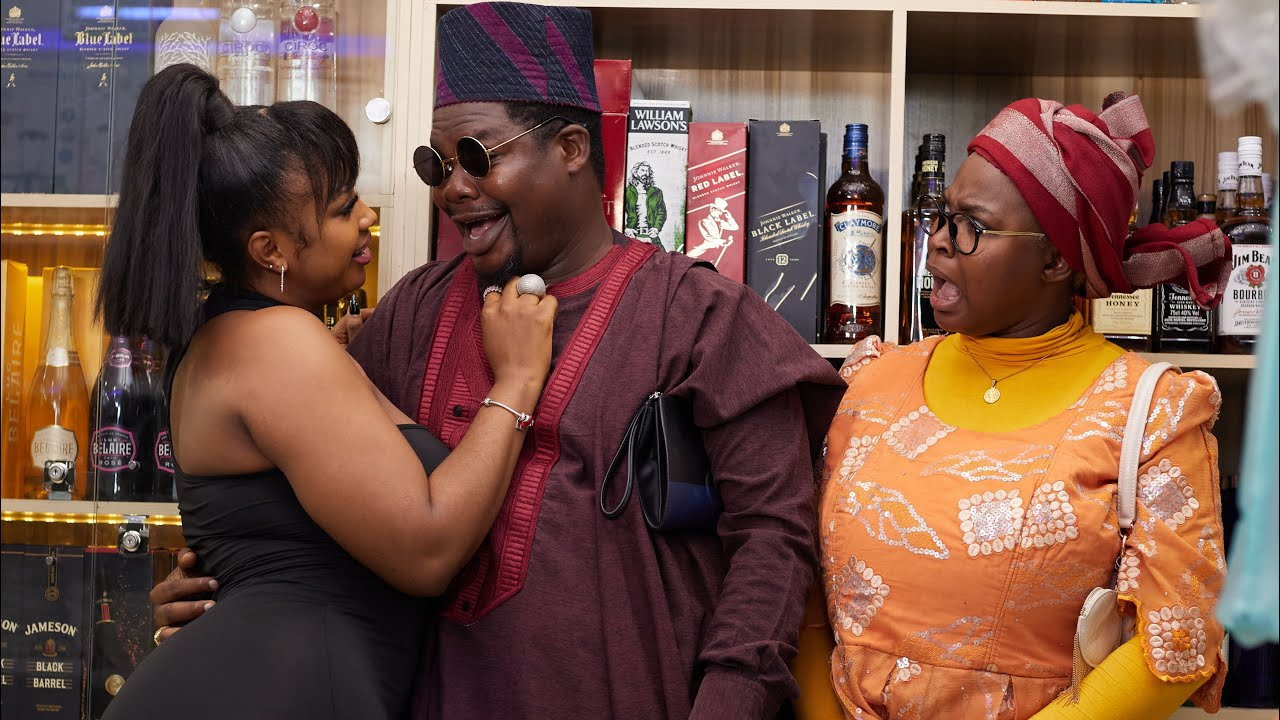
The Shift from Curvy Women to Caricatured Aunties
To understand where we are now, it helps to look back so as to trace the pattern.
In the early 2020s, there was a specific kind of female character that dominated the space. She was curvy, confident and often dramatized as the object of male attention or the butt of jokes about vanity and materialism.
Skit makers built entire brands around this figure, using exaggerated body language and hyper-feminine costuming to draw views.

That archetype has not entirely disappeared, but it has been joined, and almost overshadowed, by “the aunty” character. Where the curvy lady archetype leaned on physicality and desirability, the aunty archetype leans on age, tone, and cultural mannerisms.
She is the woman in her forties or fifties, permanently exasperated, permanently loud, and permanently ready to drag someone by the ear or threaten them with a slipper.
The comedic engine has shifted from body to behaviour, but the underlying formula is still reducing a woman to a single exaggerated trait for the sake of a laugh.
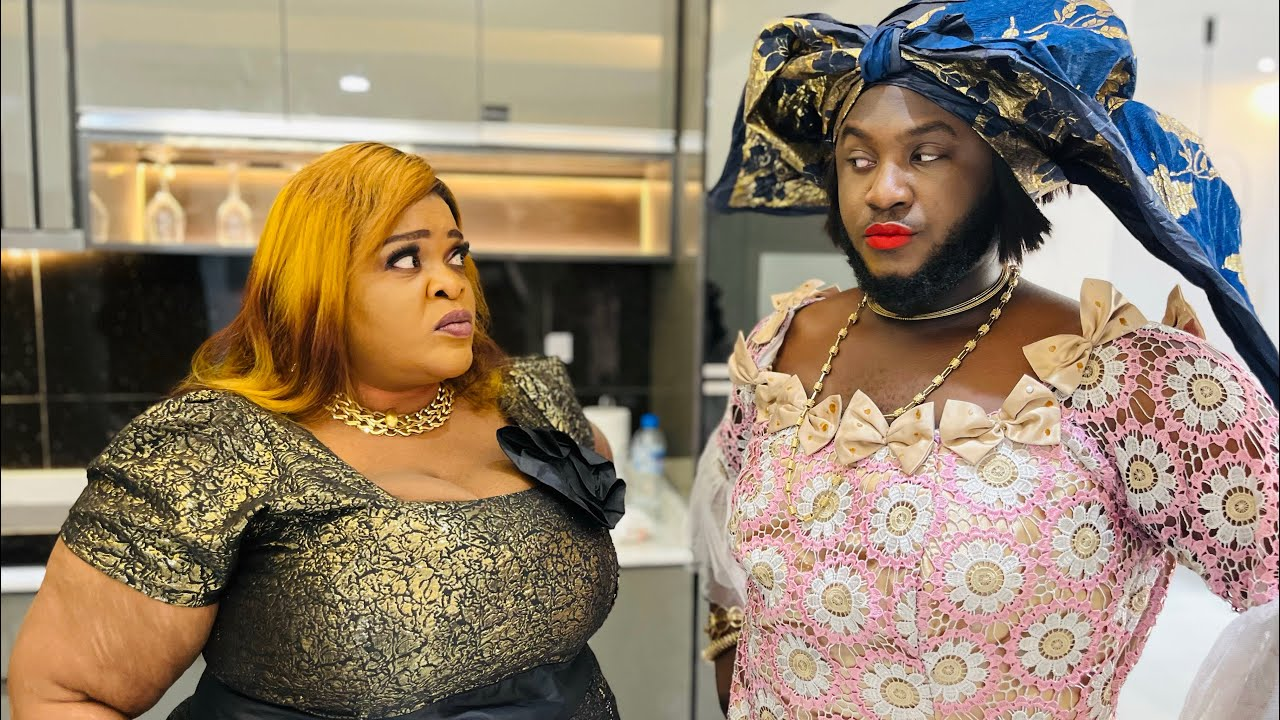
Why the Aunty Archetype Works for Virality
Skit makers are choosing this archetype because there is a clear, almost mathematical logic behind it. Nigerian audiences, and by extension the diaspora, have a deep cultural familiarity with the "aunty" figure.
She exists in every family and every neighborhood, even religious gatherings. She is the woman who scolds you for greeting her wrongly, who compares you unfavorably to her own children and who has an opinion about your relationship status whether you asked or not.
And because this figure is so instantly recognizable, skit makers do not need to build context. A wig, a wrapper tied high on the chest, and an exaggerated Nigerian accent mixed with one of the local languages are enough to signal exactly who this character is within the first three seconds of a video.
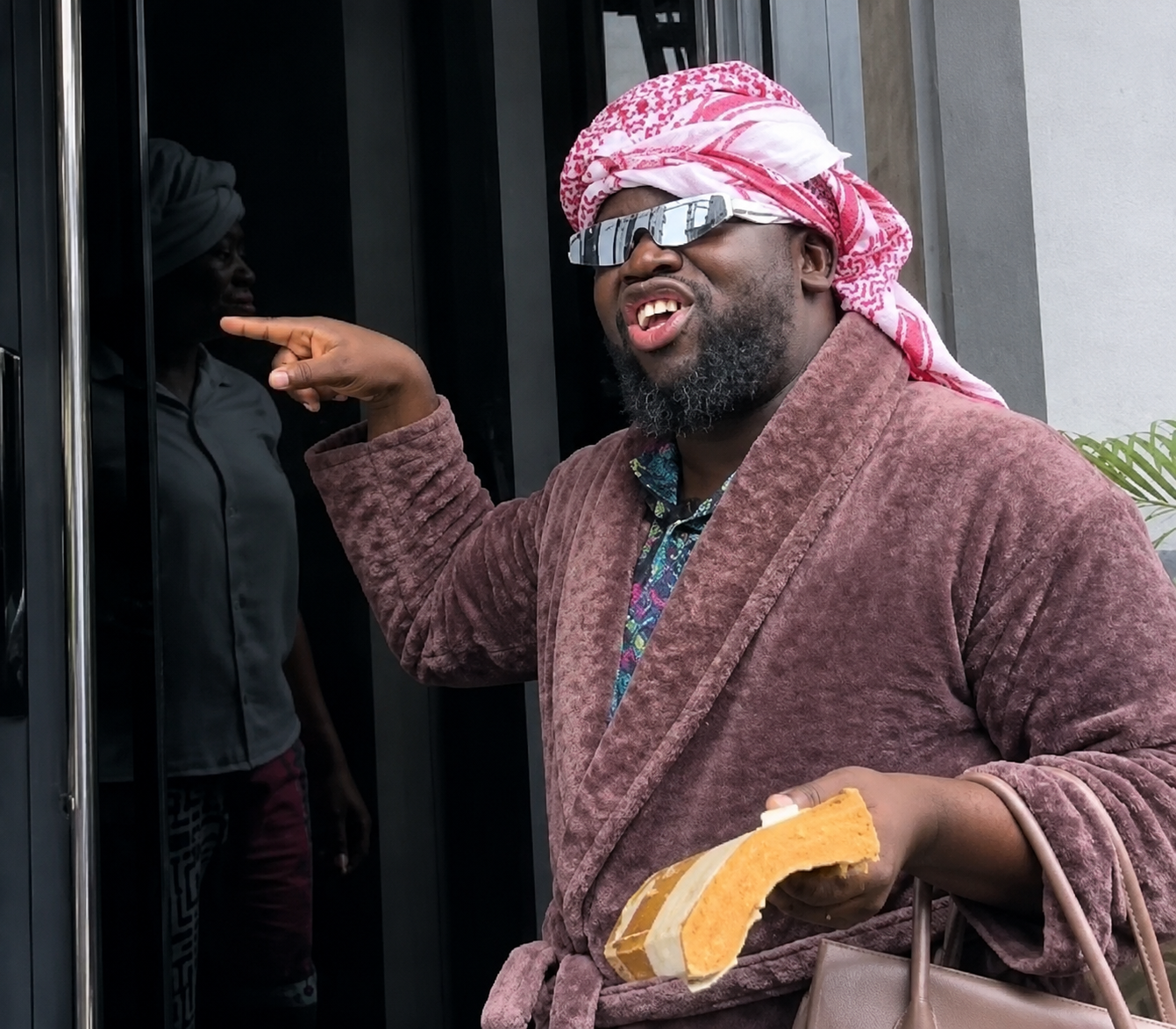
In an attention economy where the average viewer decides within moments whether to keep scrolling, that instant recognition is important and almost valuable. It removes the need for elaborate setup and allows the joke to land almost immediately.
There is also the algorithm to consider. Content that triggers strong, immediate reactions, whether amusement, nostalgia, or mild irritation, tends to perform better on platforms built around short-form video.
Social Insight
Navigate the Rhythms of African Communities
Bold Conversations. Real Impact. True Narratives.
The aunty archetype, precisely because she is loud and larger than life, is engineered for that kind of reaction. She is not subtle. She is not meant to be.
The Cost of Comic Stereotyping
The trouble is that virality built on exaggeration tends to flatten the very people it claims to represent. Real Nigerian women in their forties and fifties are not a monolith.
They are teachers, business owners, engineers, quiet homebodies, outspoken activists, and everything in between. Yet the skit version of the "aunty" collapses all of that range into a single comic stereotype: loud, nosy, quick to anger, and comically unsophisticated.
This matters because skits, unlike traditional television comedy, now function as a primary cultural reference point for younger audiences, both within Nigeria and across the diaspora.

When the dominant portrayal of older Nigerian women is one of caricature, it shapes how younger viewers perceive that demographic in real life. It becomes easier to dismiss an older woman's frustration as "aunty behaviour" rather than engaging with what she is actually saying.
The joke, repeated often enough, becomes an assumption.
Also, when an entire genre leans on one archetype, creative range narrows. Comedy that could explore nuance, irony, or genuine observational wit instead becomes a competition over who can exaggerate the loudest and the most theatrically.
The audience gets fed the same meal with a different garnish, video after video.
From Curvy Ladies to Aunties: What Changed and What Did Not
It would be inaccurate to frame this shift as pure regression. The move away from the hyper-sexualized curvy lady archetype does reflect, in some ways, a broadening of what Nigerian comedy considers fair game.
Skit makers are no longer solely reliant on physical exaggeration to hold attention. Age, tone, and cultural mannerism have become equally viable comedic tools.
But the underlying issue has not actually changed, only its target.
Both archetypes rely on reducing a woman to a single, easily replicable trait. Both are designed for speed rather than depth. Both prioritize recognizability over authenticity.
The costume changes. The formula remains the same.
Social Insight
Navigate the Rhythms of African Communities
Bold Conversations. Real Impact. True Narratives.
What a More Nuanced Skit Culture Could Look Like
This does not mean skit comedy should abandon the aunty character altogether. Cultural archetypes exist because they hold real comedic and emotional truth.
The problem is not that the aunty archetype exists, but that it has become the default and the safest character skit makers reach for when they want guaranteed engagement without guaranteed effort.
A more nuanced skit culture would allow the aunty character to be funny without being flattened, sharp without being a caricature.
It would let her have contradictions, softness alongside sternness, wisdom alongside stubbornness, the way real women her age actually carry themselves.
Nigerian comedy has never lacked talent or wit. What it may be lacking, at least in this particular corner of the internet, is the patience to let its characters be as complicated as the women who inspired them.