The Next Time You Hear "Iron Condemn," Remember You're Looking at a Multi-Billion Naira Economy
Nigeria's scrap metal industry is worth an estimated ₦200 billion, employing thousands of people and powering local manufacturing and exports. The next time you hear "iron condemn," you're looking at one of Nigeria's most underrated economies.
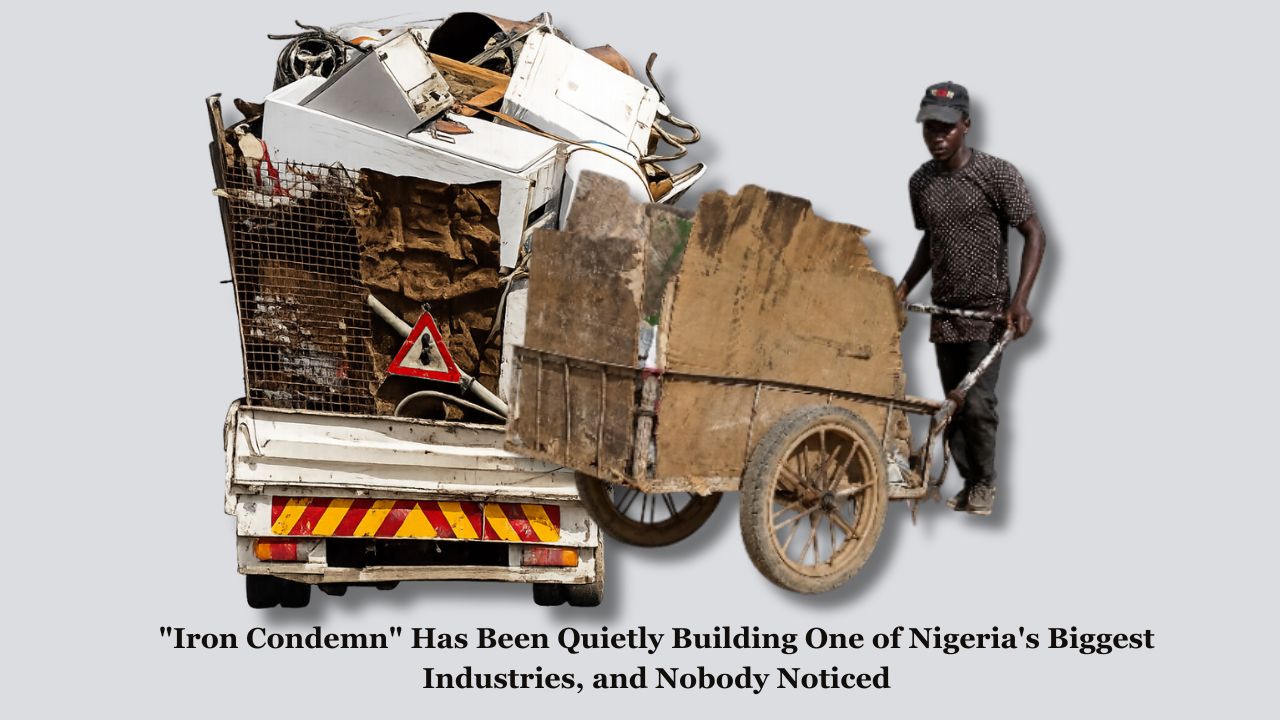
Every time you see those people pushing metal trucks through the streets shouting "iron condemn, aluminium condemn," chances are you think of them as people simply trying to survive. The kind of work society quietly labels as dirty, difficult and reserved for those with few options.
Emeka thought the same thing while growing up.
He still remembers how he would intentionally keep spoilt pressing irons, old broken fans, metal rods, rusted pots and broken home appliances waiting for the familiar sound of metal hitting a truck and the shout of "Iron condemn! Aluminum condemn!"
Whenever the scavengers came around, he would eagerly sell whatever his mother considered useless for a few hundred naira, which meant enough money to buy biscuits, sweets or toys from Mama Chinedu's small shop down the road.
To him, they were simply the "iron condemn people."
What Emeka didn't know then, and what many Nigerians still do not realise today, is that those same men pushing metal trucks and carts are operating at the very bottom of one of Nigeria's most overlooked industries, an informal economy worth billions of naira.
What if I told you that "iron condemn" isn't merely another dirty job? What if it's quietly part of a multi-billion naira economy that has produced millionaires, employed thousands of Nigerians, and powers industries worth billions of naira across the country?
Zoom out, and the numbers get even bigger. According to a report by MOC Accountants, Nigeria's wider recycling sector, of which scrap metal is only one part, is valued at approximately ₦500 billion. Scrap metal alone, according to Technext24's estimate, accounts for close to ₦200 billion of that figure. Perhaps we have been looking at Nigeria's scrap metal industry all wrong.
Behind Every Metal Truck Is An Entire Economy
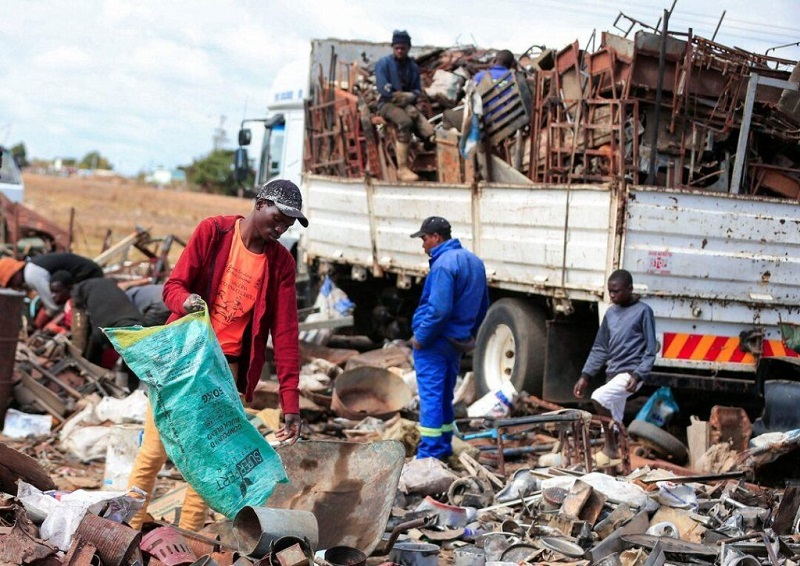
Most people assume scrap metal begins and ends with scavengers moving from street to street buying old appliances and condemned metals. In reality, that is merely the first stage of a much larger economic ecosystem.
The man pushing a metal cart under the scorching afternoon sun represents only the first layer of Nigeria's scrap metal economy.
Nigeria's scrap metal industry operates through an informal hierarchy that stretches from neighbourhood scavengers to multi-million-dollar recycling companies and international exporters.
At the lowest level are the street collectors or metal scavengers. Most scavengers move from street to street purchasing discarded metals from households, mechanics, electricians, construction sites and repair shops. On a good day, many make between ₦10,000 and ₦20,000, moving tirelessly from one neighbourhood to another.
Above them are junkyard operators and middlemen who purchase metals in bulk from scavengers and traders. Then come the major merchants operating in large scrap markets such as Owode-Onirin in Lagos and other commercial hubs across the country.
These merchants are the real wholesalers of Nigeria's scrap metal economy. They buy metals from virtually everywhere, including demolished buildings, abandoned industrial equipment, electronics markets, and large corporations disposing of old machinery.
In other words, what looks like a scavenger picking up condemned iron from your compound is actually participating in a supply chain that feeds manufacturing industries worth billions of naira.
Nigeria's scrap metal industry is not one business. It is thousands of interconnected businesses operating simultaneously across different levels of the economy.
The irony is almost poetic. The things many Nigerians throw away are quietly transformed into economic opportunities for thousands of people across multiple industries.
Your Broken Pressing Iron Might Be Someone's Multi-Billion-Naira Business
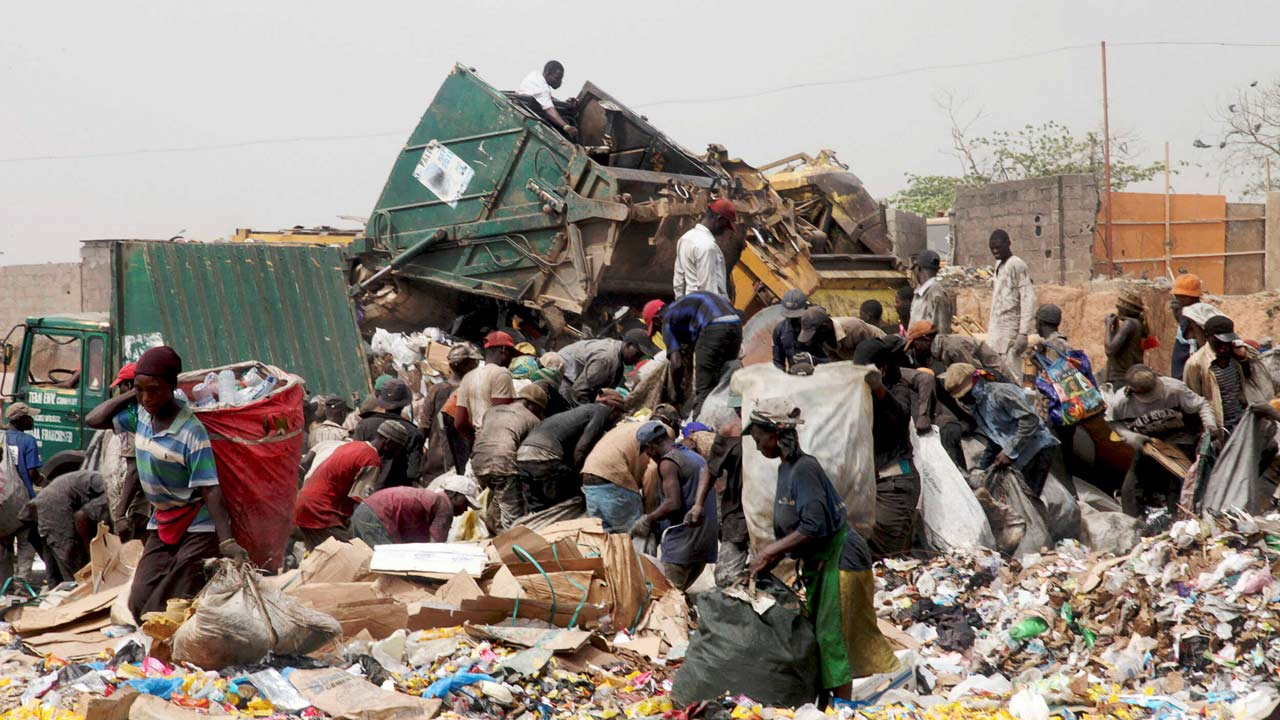
There is a reason scrap metal remains one of the most profitable informal industries in Nigeria. This is because the economics behind the industry are perhaps even more fascinating than the work itself.
Different metals command significantly different prices in the market. Iron and steel may sell for hundreds of naira per kilogram, but aluminium sells for much more. Brass commands even higher prices, while copper has become one of the industry's most valuable commodities, selling for over ₦15,000 per kilogram.

Then there are the hidden treasures many Nigerians unknowingly throw away.
Some experienced merchants now specialise in identifying rare metals such as silver hidden among scrap materials. In certain cases, a single kilogram of silver recovered from discarded materials can be worth well over ₦1 million.
If you're still reading this, that broken generator or spoilt appliance sitting in your backyard might not look so worthless anymore.
Emeka remembers watching scavengers argue passionately over old appliances that most people considered useless. Looking back now, perhaps they understood something the rest of us didn't.
The scrap metal economy thrives on something Nigerians are particularly good at: finding value where others see waste
Every rusted gate, condemned cable, damaged air conditioner, or broken industrial machine represents potential revenue for somebody within the ecosystem.
This industry doesn't simply recycle metals. It recycles economic opportunities, because for some traders, monthly earnings comfortably run into millions of naira and entire families have built generational businesses around scrap metal trading, with children taking over operations from their parents.
Iron condemn, it turns out, is not merely a side hustle. For thousands of Nigerians, it is a highly profitable career.
The Billion-Naira Companies Nobody Talks About
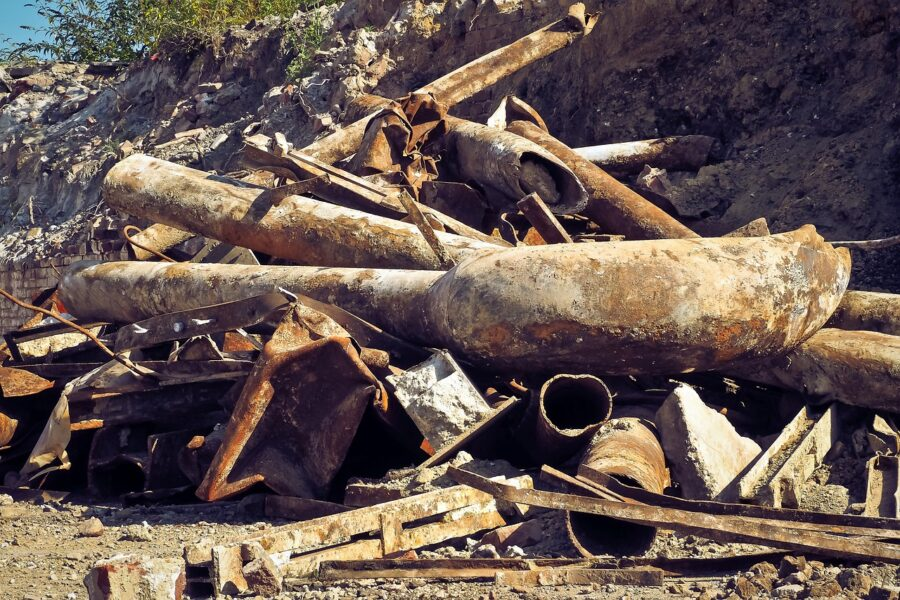
One of the most fascinating parts of Nigeria's scrap metal industry is that it does not end at local markets. Nigeria's manufacturing sector quietly depends on this industry far more than most people realise.
After collection and sorting, metals are transported to recycling facilities, where large companies purchase thousands of tonnes of scrap every month for local manufacturing and international export. Some use the recycled iron and steel to make building materials such as rebars, roofing products, iron nails and industrial components.
Others process copper, aluminium and brass for export to countries including China, Japan, Indonesia and Malaysia.
These companies operate sophisticated recycling systems involving electric furnaces capable of reaching temperatures exceeding 1,000 degrees Celsius. Scrap metals are sorted, melted, purified, compressed and transformed into valuable industrial products.
The demand is so significant that local scrap metal supplies are sometimes insufficient to meet industrial needs. Some recycling companies reportedly import additional scrap materials simply to sustain production levels.
Think about that for a moment.
An industry most Nigerians associate with men pushing metal carts through dusty streets is simultaneously supplying global manufacturing markets. The same country that dismisses these scavengers as informal workers has industries willing to spend hundreds of millions of naira on the materials they collect.
If Silicon Valley discovered an industry capable of employing thousands of people, supporting local manufacturing, facilitating exports and generating hundreds of billions of naira annually, it would probably call it one of the country's most promising sectors.
But Nigeria simply calls it "iron condemn."
Perhaps Nigeria's Most Underrated Industry Is Hiding In Plain Sight, And It's One Of Its Most Important
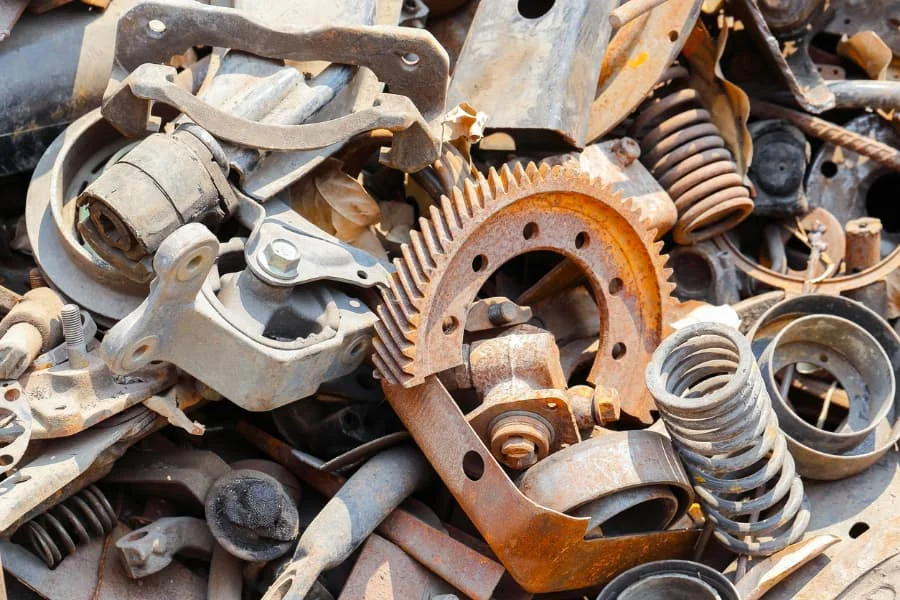
What makes the scrap metal industry particularly fascinating is how invisible it stays in conversations about Nigeria's economy. Despite its size and significance, it remains largely informal and surprisingly underregulated.
We spend considerable time discussing fintech startups, venture capital investments, and billion-dollar industries. Yet an industry conservatively valued at around ₦200 billion continues to operate largely outside mainstream economic conversations.
The irony is impossible to ignore.
Government involvement is minimal beyond periodic inspections and licensing requirements in certain areas. Industry players frequently complain about harassment from law enforcement agencies, confiscation of goods and inconsistent regulatory practices.
Of course, the industry is not without its challenges. Traders regularly complain about harassment from law enforcement agencies, arbitrary confiscation of goods and increasing competition within a largely unregulated market. Prices fluctuate daily, supply chains stay uncertain, and merchants must constantly adjust as suppliers chase better offers from competing buyers.
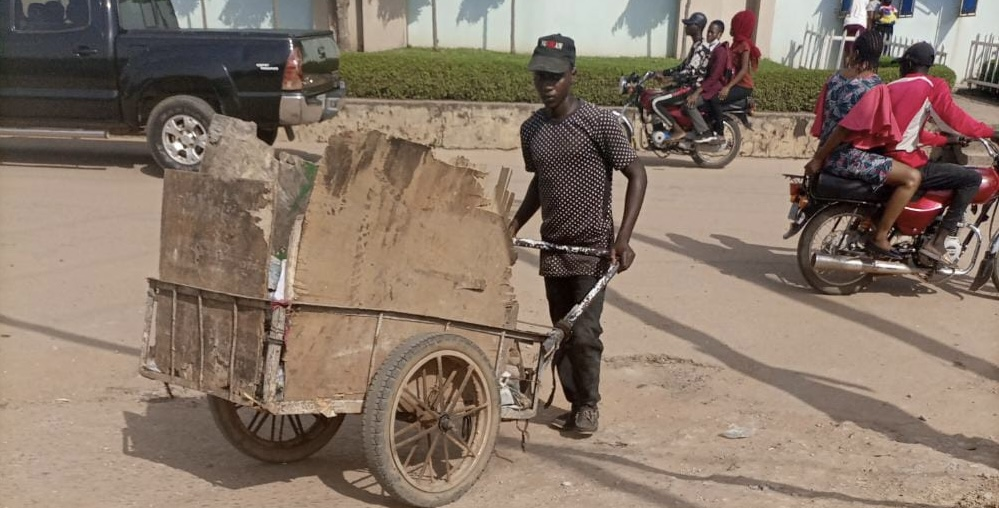
Yet the industry continues to grow. Young entrepreneurs spend years learning to identify valuable metals hidden among ordinary scraps, families pass scrap metal businesses down from one generation to another, and entire communities now depend on it for their livelihoods.
The most interesting thing about Nigeria's scrap metal economy is that it challenges how we define economic success.
We celebrate fintech valuations, startup funding rounds, and billion-dollar industries. Meanwhile, thousands of Nigerians quietly build wealth every single day by buying and selling what society has already discarded.
Perhaps the biggest misconception about "iron condemn" is that it represents poverty. In many cases, it represents entrepreneurship.
So the next time you hear someone pushing a metal truck through your street calling out "iron condemn," resist the urge to see only poverty or survival. You are looking at the first link in a multi-billion naira value chain that stretches from Nigerian households to international markets.
Because I know that Emeka never imagined the broken pressing iron he once sold for pocket money was part of an industry employing thousands across the country. Neither do most Nigerians.
Sometimes billion-naira industries don't wear suits or sit in glass office buildings. Sometimes they push metal carts and shout through neighbourhood streets.