The Mesmerizing World of Yinka Shonibare's Art
Yinka Shonibare’s art weaves personal history with global narratives, using Dutch wax fabrics to challenge ideas of cultural identity, power, and colonial legacies. His vibrant, theatrical works question who holds the center in art and history, revealing identity as a dynamic, constructed tapestry.
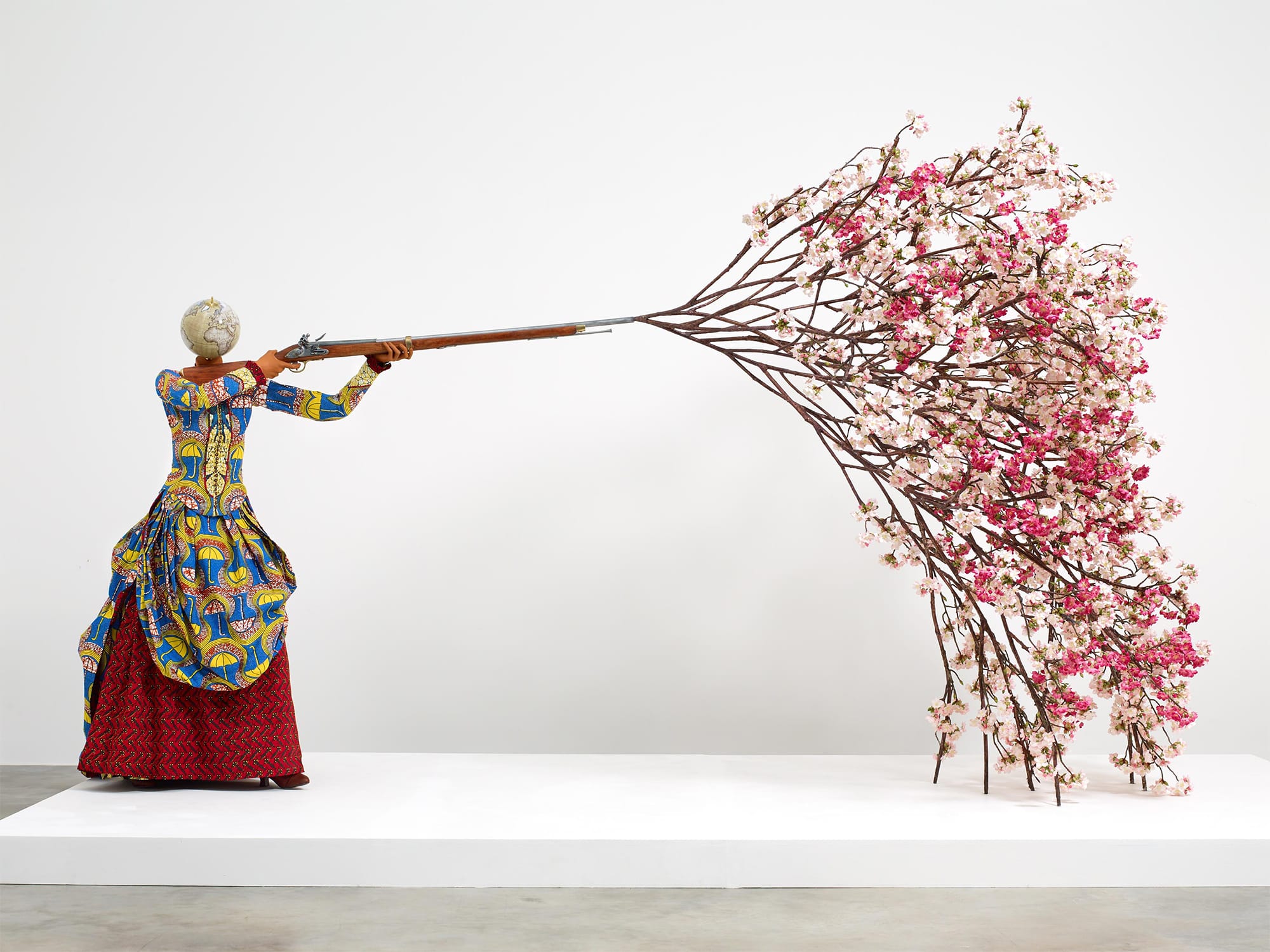

Image Courtesy: The Art’s Desk
Yinka Shonibare’s art is inseparable from his own story—a tale of movement between continents, resilience in the face of adversity, and a lifelong fascination with the tangled roots of cultural identity. Born in London in 1962 to Nigerian parents and raised in Lagos, Shonibare returned to the UK as a teenager, carrying with him the colors, contradictions, and questions of both worlds. His journey took an unexpected turn at eighteen, when transverse myelitis left him partially paralyzed. Yet, undeterred, he completed his studies at Byam Shaw School of Art and Goldsmiths, University of London, adapting his creative process and building a collaborative studio practice that would become central to his art.
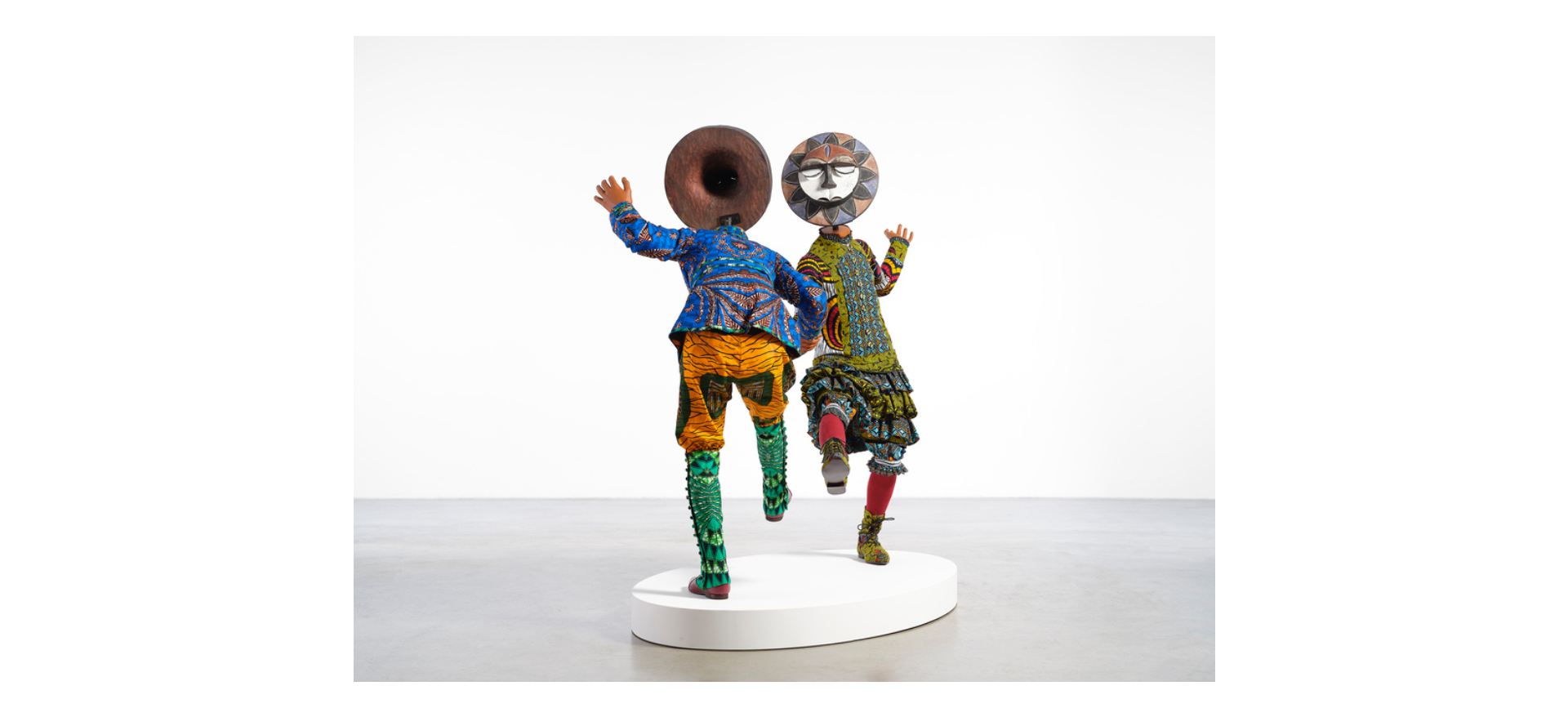
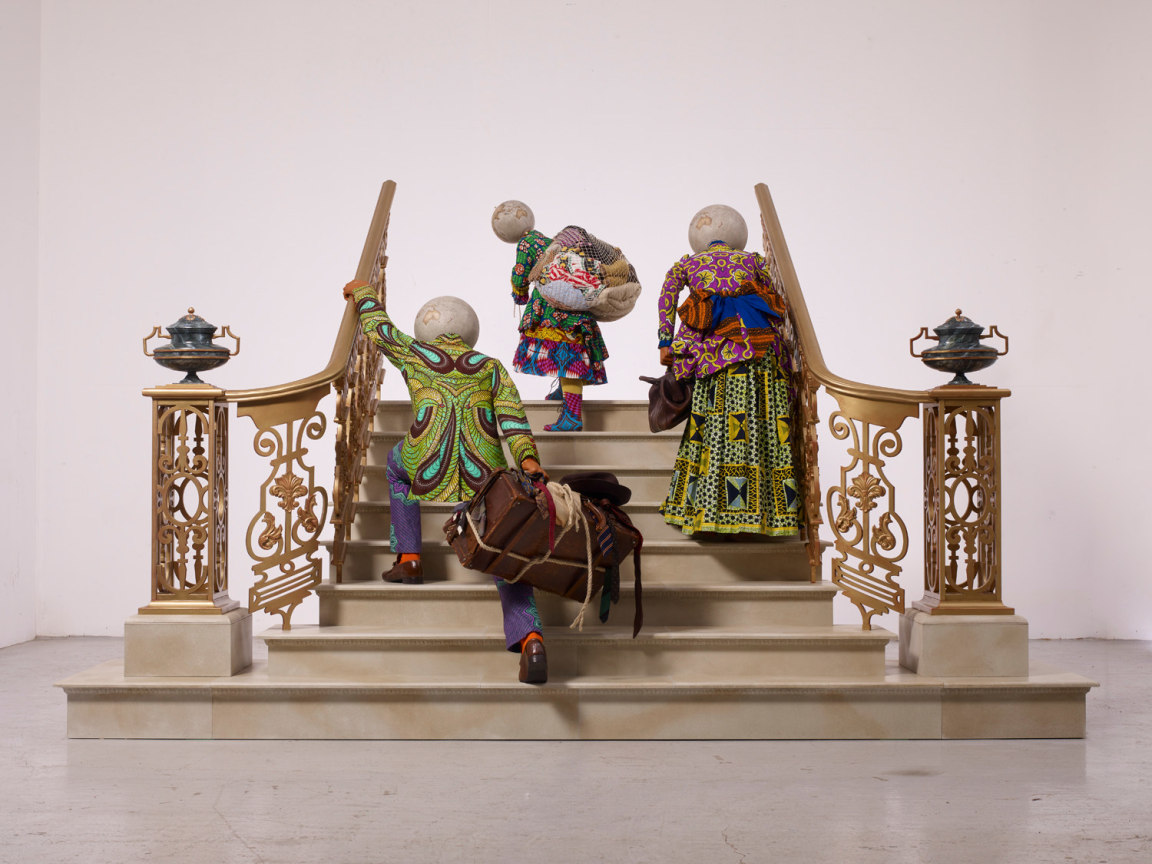
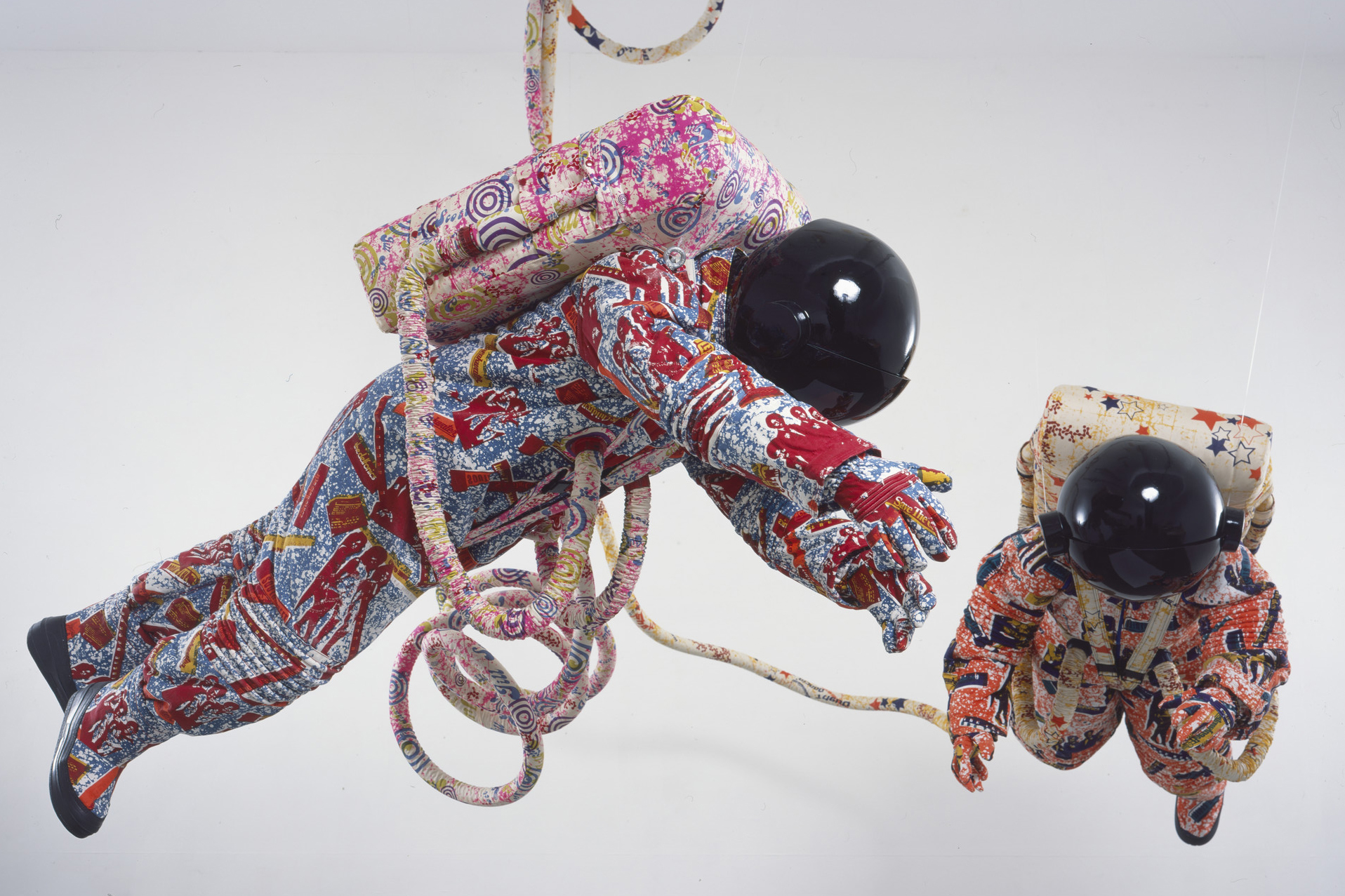
At the heart of Shonibare’s work is the Dutch wax print—a fabric as complex as the histories he interrogates. These vibrant textiles, often mistaken for traditional African cloth, were inspired by Indonesian batik, mass-produced by the Dutch, and ultimately embraced by West Africa. For Shonibare, the fabric’s story is a metaphor for the artificiality of cultural boundaries. As he put it in an interview with Wasafiri, “They [the fabrics] prove to have a crossbred cultural background quite of their own. And it's the fallacy of that signification that I like. It's the way I view culture – it's an artificial construct”[1].
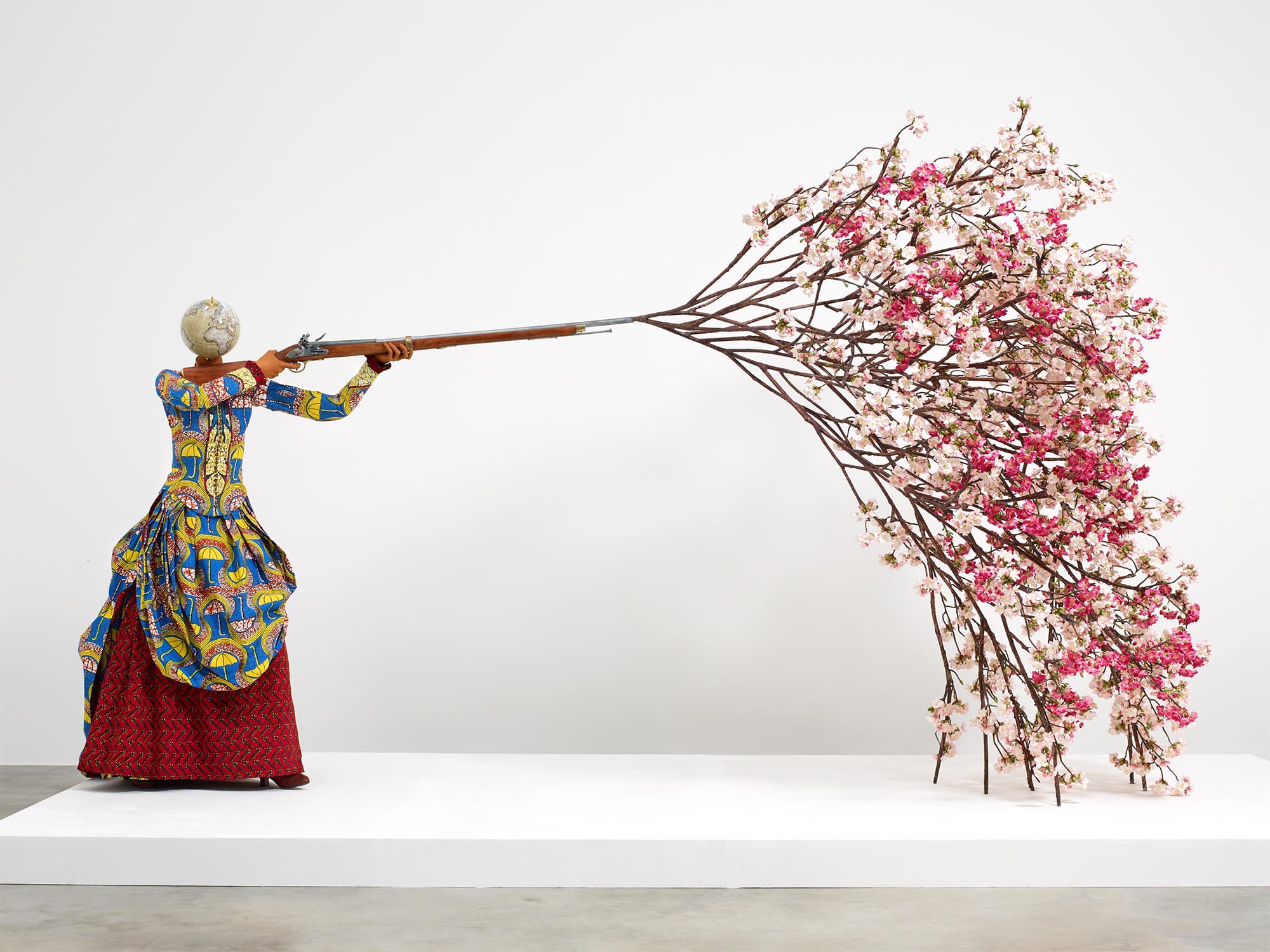
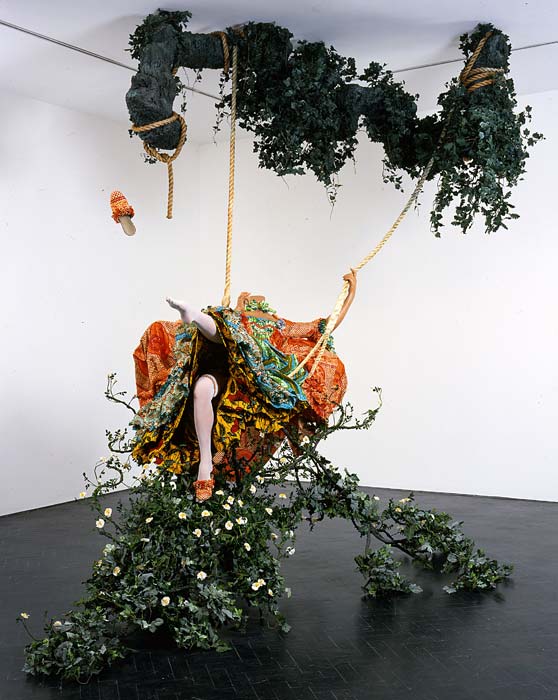
This philosophy runs through his most celebrated works. In The Swing (After Fragonard), a headless mannequin in a swirling Dutch wax dress replaces the Rococo original’s aristocrat, inviting viewers to reconsider who has historically been at the center of art and power[1]. Nelson’s Ship in a Bottle, with its sails made of Dutch wax print, transforms a symbol of British naval might into a meditation on multiculturalism and the costs of empire[1]. In Scramble for Africa, headless European figures in wax print costumes gather around a table, re-enacting the Berlin Conference’s division of a continent—a scene both theatrical and deeply unsettling[2].
ScrambleforAfrica,2003-min.jpg)
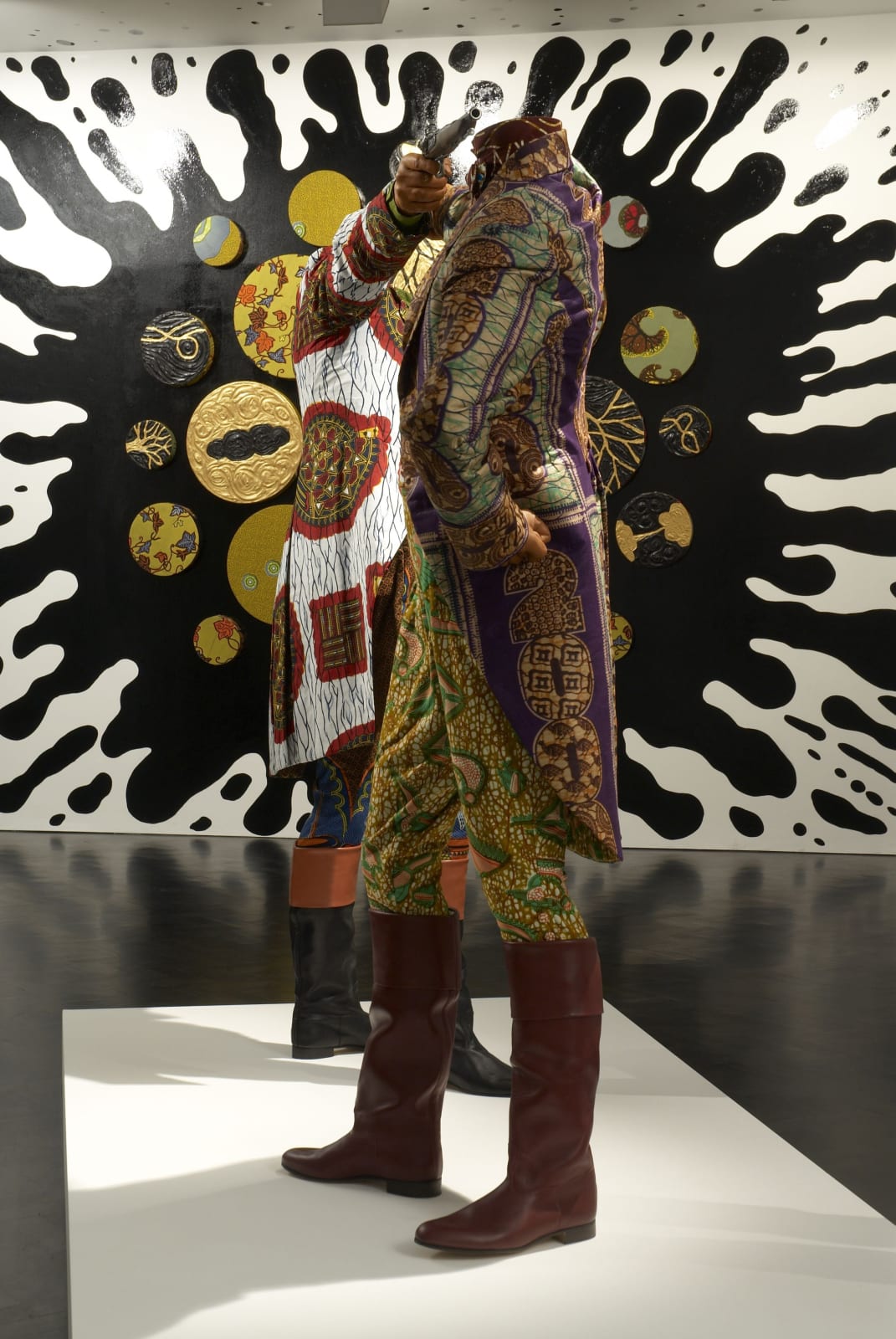
Shonibare’s art is always beautiful, but beneath the surface, it is a pointed commentary on race, class, and the legacies of colonialism. “I’m very interested in the colonial relationships between Africa and Europe, and the fabrics have become a metaphor for that,” he has written[3]. Through his playful yet incisive use of materials, he asks us to look again at the stories we tell about ourselves and our histories, reminding us that, like his beloved fabrics, identity is always a work in progress—vivid, layered, and never as straightforward as it seems.
1. https://www.artshelp.com/yinka-shonibare-history-colonialism-dutch-wax/
2. https://www.thecollector.com/yinka-shonibare-african-fabrics/
3. https://www.selvedge.org/blogs/selvedge/yinka-shonibare-and-wax-print