The Hidden Signs of Adult ADHD You've Been Calling Laziness or Distraction
Think you're just lazy or easily distracted? These hidden signs of adult ADHD, from task paralysis and time blindness to rejection sensitive dysphoria, might explain more than you think.
You have started the same task four times today. You have reread the same paragraph twice and still can't tell anyone what it says. You set three alarms and were still late. And somewhere along the way, you just decided that meant you were justunmotivated, lazy and a little bit scattered.
What you might not know and what research could be pointing to is an undiagnosed adult ADHD.
A 2020 systematic review published in Annals of General Psychiatry found a pooled ADHD prevalence of 7.47% in children and adolescents across Africa, drawing from studies in Nigeria, Kenya, Uganda, Sudan, Congo, Egypt, and Ethiopia, making it a serious public health concern on the continent.
In Benin, a 2022 cross-sectional study found that 6.8% of adults screened positive for ADHD symptoms, with inattentive-type being the most common presentation. Yet most of these people will never receive a diagnosis.
In Africa, there are on average 0.05 psychiatrists per 100,000 people. In Europe, that number is 9. Most African countries have no national mental health policies, programs, or action plans at all.
The disorder doesn't disappear after childhood. In adults, it just stops looking like what people expect.
Task Paralysis Is Not Procrastination and the Difference Is Neurological
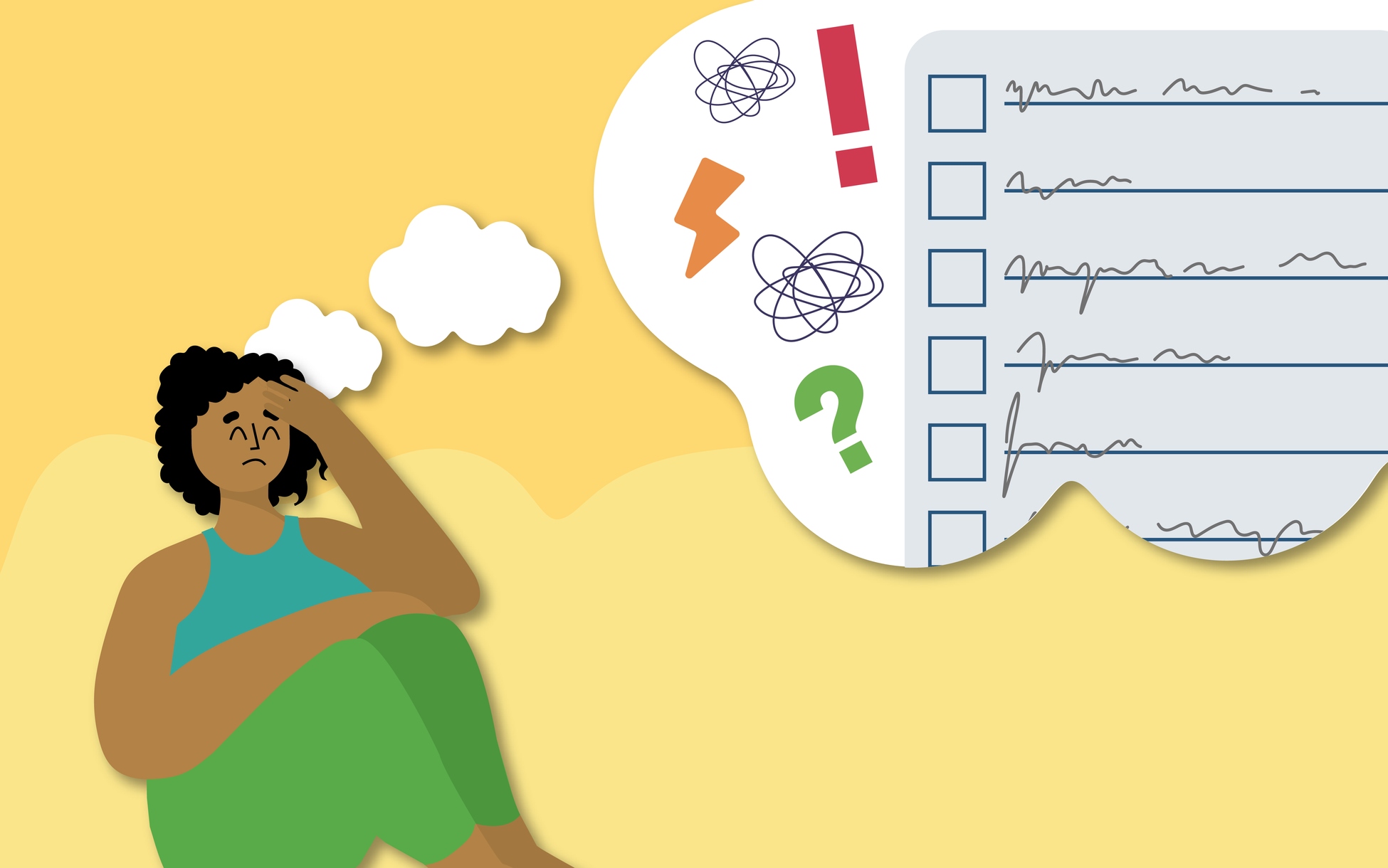
The most misunderstood symptom of adult ADHD is task initiation difficulty, or what many people call "task paralysis." You know the task needs to get done. You want to do it and you have thought about it for hours, but you still can't start.
That is not procrastination, and have, in fact, left the procrastination level. Procrastination is a choice, a deliberate and conscious delay. Task paralysis is a freeze response rooted in how the ADHD brain processes dopamine.
Research by Dr. Russell Barkley and others confirm that ADHD brains operate on what is called an interest-based nervous system. The prefrontal cortex, which controls task initiation, planning and self-regulation, is under-activated due to dysregulated dopamine pathways.
A 2009 study by Volkow et al. linked ADHD directly to differences in dopamine signalling and prefrontal networks responsible for self-regulation. Without enough dopamine to kickstart the reward circuit, boring or ambiguous tasks don't register as worth starting even if you desperately want to begin.
This explains why someone with ADHD can hyperfocus for hours on an engaging video game but cannot initiate a simple household chore.
It is not selective laziness; it is the differential dopamine activation based on task characteristics. It is important to note the difference.
Adult ADHD and Time Blindness: Why "Just Be On Time" Doesn't Work
Most people experience time as a line stretching forward — past, present, future. People with ADHD experience time blindness which is basically the inability to accurately perceive and manage time, leading to chronic lateness, poor planning and difficulty estimating how long tasks will take.

Adults with ADHD typically present with executive function difficulties including distractibility, trouble finishing tasks, time blindness and emotional reactivity rather than the obvious hyperactivity people expect.
When you notice someone consistently underestimates how long things take, shows up late despite trying, or loses entire afternoons without noticing, it is not necessarily carelessness. The brain's internal clock is genuinely miscalibrated.
Hyperfocus: The ADHD Symptom That Looks Like a Superpower
ADHD doesn't mean you can never focus. It means you can't control your focus. Those are two completely different situations.
Although ADHD involves difficulties with attention, it can also involve periods of intense focus on highly stimulating tasks. During hyperfocus, individuals may concentrate for hours without noticing hunger, fatigue, or time passing, driven by dopamine release in response to engaging stimuli.
While hyperfocus can be productive, it can also interfere with daily responsibilities and self-care.
This is why the "but you focused fine on that movie" argument collapses. That movie was high-stimulation. The spreadsheet due tomorrow isn't. ADHD is a focus regulation deficit.
Rejection Sensitive Dysphoria: When ADHD Feels Like Emotional Overreaction

One of the least discussed but most disruptive hidden symptoms is rejection sensitive dysphoria (RSD). Emotional dysregulation is prevalent in up to 70% of adults with ADHD, presenting as increased emotional reactivity, lack of emotional awareness and intense emotional expression.
This contributes significantly to unemployment and interpersonal difficulties, and found to be more negatively influential on quality of life than inattentive and hyperactivity traits themselves.
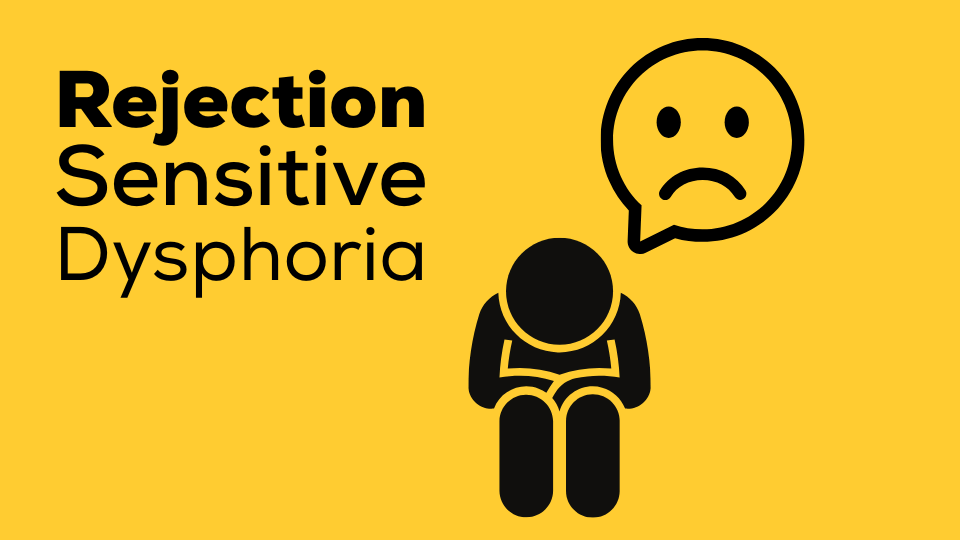
RSD specifically refers to overwhelming emotional pain triggered by real or perceived rejection, criticism or failure.
One-third of adult ADHD patients report it as the most impairing aspect of their experience, partly because they find no effective way to manage it, and partly because they have spent years being told they're simply "too sensitive."
In societies where mental health conversation is still non-existent, that label sticks. What looks like dramatic overreaction, social withdrawal or excessive people-pleasing from the outside is, for many, an undiagnosed neurological response.
Why ADHD in Africa Goes Undiagnosed and Who It Harms Most
Beyond the structural barriers and prevalence of near-absent psychiatrists, underfunded mental health systems and no formal policies, there is a cultural layer that makes adult ADHD almost impossible to surface in Africa.
In many African communities, ADHD behaviours are attributed to spiritual forces, ancestral influence or a failure of discipline and home training. Children who struggle with focus are labelled as defiant; adults who can't follow through are called irresponsible.
The Hyperactivity/Attention Deficit Support Group of South Africa estimated that as many as 10% of South African children may have characteristics associated with ADHD, yet no official national statistics exist. What gets counted cannot be ignored; what is never counted stays invisible.
Living with undiagnosed ADHD while also navigating systemic barriers and cultural stigma compounds the psychological toll significantly.
Undiagnosed and untreated individuals are more susceptible to depression, anxiety, addiction, and compounding failures at work and in relationships, each of which reinforces the original lie that they were simply never trying hard enough.
The signs were always there. They just didn't look like what anyone was taught to expect, and in contexts where mental health literacy is still building, they looked even less like a medical condition.
If any of this sounds uncomfortably familiar, that recognition itself is worth taking seriously, ideally with a clinician who understands how ADHD actually presents in adults.