The Hidden Causes of Sibling Rivalry and How to Stop Fueling Them
Read parenting tips on how to understand, prevent, and manage sibling rivalry by addressing subtle causes like favoritism, comparison, and uneven expectations while fostering healthy sibling bonds through balanced parenting and fair conflict resolution.
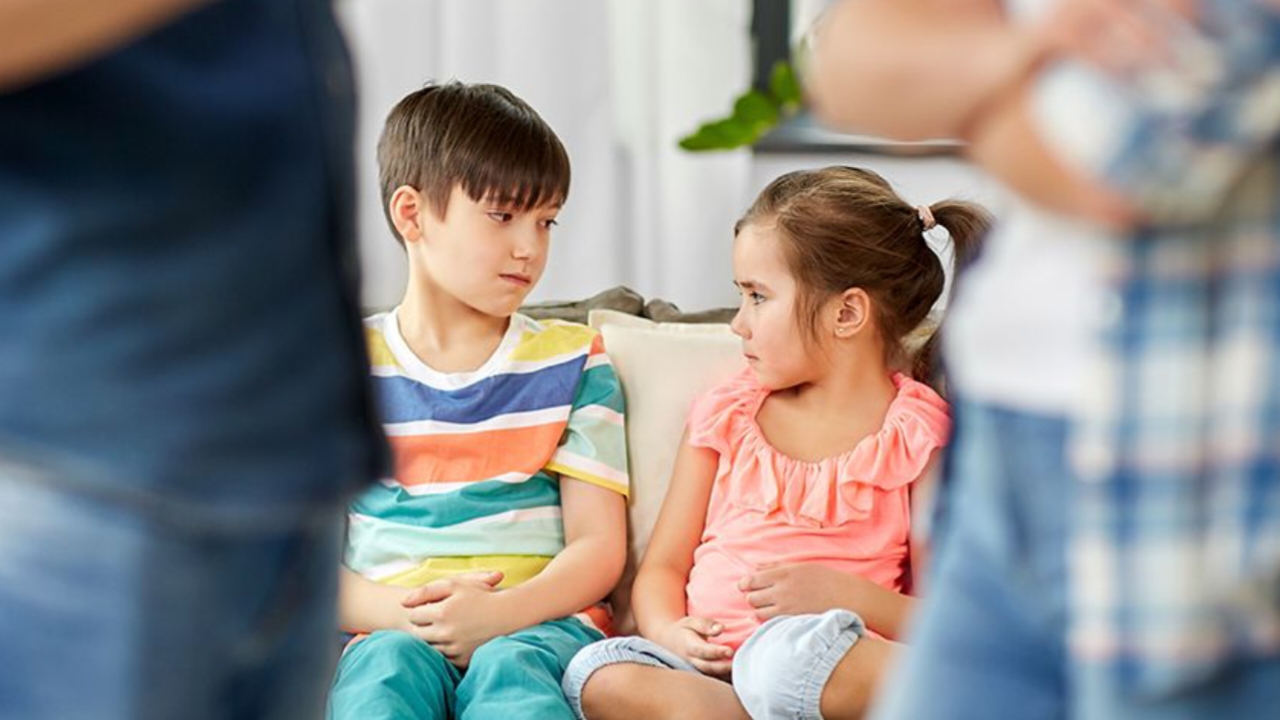
Sibling relationships is unarguably one of the longest-lasting relationships people will ever have, that you reading this would have, your siblings are people who did not need permission to get into your life and grew under the same roof, stretching across childhood, adolescence, and adulthood. These bonds can be sources of deep affection, trust, and lifelong companionship, yet on the flip side they can also be fraught with rivalry, jealousy, and unspoken resentments. Many parents assume sibling rivalry is a natural and unavoidable phase, but the truth is more nuanced. Rivalry does not arise in a vacuum. It is shaped by family dynamics, parental behavior, individual temperament, and even subtle, everyday interactions that adults may overlook. When handled with care and awareness, sibling rivalry can be transformed into healthy competition, mutual respect, and stronger emotional bonds. But when ignored or mismanaged, it can evolve into long-term tension that follows children into adulthood. Understanding how rivalry forms and how to prevent its escalation is a crucial responsibility for parents striving to raise emotionally balanced children.
Understanding the Roots of Sibling Rivalry
To understand sibling rivalry, parents must first acknowledge that every child experiences the family differently. Birth order, personality, emotional needs, and stages of development influence how siblings perceive fairness, attention, and affection. Rivalry often begins when children feel insecure about their place in the family or when they sense that parental love is conditional or unevenly distributed. Even the seemingly harmless tasks of praising one child’s strengths or using another as an example can plant seeds of comparison. Children are highly perceptive; they interpret tone, body language, reactions, and even silence. A parent’s sigh when the firstborn makes a mistake can carry a different weight than when the youngest misbehaves and they overlook the youngest child..
One overlooked cause of sibling rivalry is unintentional favoritism. Parents may not believe they show preference, but small behaviors can create that perception, calling on one child more often, defending one child more readily, or trusting one child’s version of events without question. Favouritism can also emerge from alignment of personality traits. A parent may bond more naturally with a child who shares similar interests or temperament, unknowingly leaving the other feeling sidelined. The result is resentment, not just toward the parent, but toward the sibling who seems to receive the better end of affection.
Comparison is another toxic root of rivalry. Statements like “Why can’t you be neat like your sister?” or “Your brother does better in math” may appear motivating, but children interpret them as declarations of inadequacy. Comparisons encourage competition where there should be cooperation. Instead of seeing each other as teammates in the same family, siblings become rivals battling for approval. Over time, this dynamic erodes trust and closeness, replacing them with insecurity and self-doubt.
Also the unwritten culture and patterns of pressure being placed on firstborns to serve as compulsory role models, contributes significantly to sibling tension. Firstborns are often expected to be more responsible, more mature, or more capable simply because they arrived first. Meanwhile, younger siblings may be excused for similar mistakes due to their age. This uneven standard fosters resentment on both sides. The eldest feels burdened, while the younger may feel underestimated or infantilized. By recognizing how these subtle dynamics shape sibling behavior, parents can begin to correct the patterns that fuel rivalry.
Creating a Balanced and Emotionally Safe Home Environment
Building healthy sibling relationships requires parents to create an environment where each child feels seen, valued, and respected. A balanced home environment is one where individuality is honored and emotional needs are acknowledged without judgment. Children thrive when they know that love is not a competition and that they do not need to earn their parent’s affection by outshining their siblings. Parents must learn to celebrate each child for who they are rather than who they should be.
One of the key aspects of this balance is ensuring that rules and expectations apply fairly across all children. While age-appropriate boundaries are necessary, fairness must be maintained visibly. If older children are consistently held to a higher standard without recognition of their efforts, resentment builds. Likewise, if younger children are constantly excused or pampered while older siblings are chastised for similar actions, the imbalance becomes obvious. To foster harmony, parents must create consistent structures that convey respect for each child’s role and developmental stage.
Another subtle contributor to rivalry that is not fully talked about is the lack of quality time allocated individually. In busy households, parents may focus their attention on whichever child demands it most, unintentionally neglecting quieter or more independent siblings. Over time, children may begin to act out, not because they are misbehaving but because they are seeking acknowledgment. Individual bonding time helps children understand that they matter beyond their position in the family or comparison with siblings. It nurtures emotional security, reduces jealousy, and reinforces their sense of self.
Environmental cues also play an important role. A peaceful home atmosphere encourages cooperation, while a tense environment amplifies conflict. Children absorb stress from parents, and when parents frequently argue or express frustration, siblings may turn that emotional tension toward one another. Ensuring emotional cleanliness in the home, just like physical cleanliness, helps create a nurturing space where siblings feel safe to express themselves without fear of judgment or competition.
Resolving Conflicts Fairly and Building Lifelong Bonds
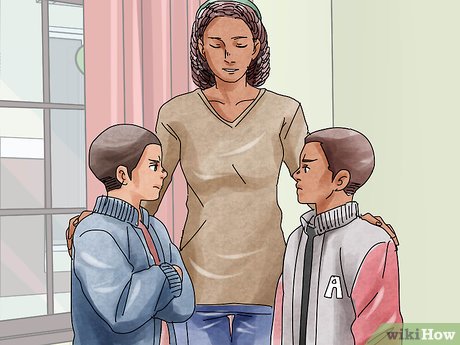
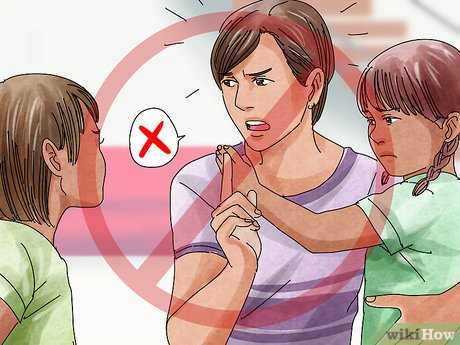
Conflict is inevitable among siblings, but how parents manage it determines whether the relationship becomes stronger or more strained. One of the most damaging parental behaviors during disputes is taking sides, even unintentionally. Children are quick to notice patterns, and if they perceive a parent consistently favoring one sibling, the rivalry deepens. Instead, parents should adopt a neutral, guiding role. Rather than asking “Who started it?” a more effective question is “What happened”, and “how can we fix it together?” This approach prevents blame from becoming the focus and instead emphasizes problem-solving and emotional understanding.
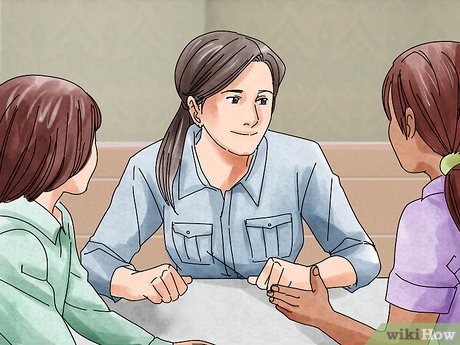
Parents should also resist the temptation to impose solutions without allowing children to express their feelings. Forcing quick resolutions teaches children to suppress their emotions, which can lead to resentment and passive-aggressive behavior. Giving each child the opportunity to speak, be heard, and validate their perspective teaches emotional intelligence. It also models healthy communication that they can use later in life.
Teaching empathy is one of the most powerful tools in reducing sibling rivalry. When children are guided to consider how their actions affect their siblings, they begin to see one another as humans rather than opponents and that affects their behaviors with others too. This can be cultivated through practical advices, shared activities, and reflective conversations. Over time, siblings learn to support one another, even when conflicts arise.
In all, we cannot deny one fact and that is; parents must be conscious of the type of family culture they are building among their children. Families that encourage cooperation, shared responsibilities, and teamwork naturally reduce rivalry. When children understand that they are allies, not competitors, the home becomes a place of support rather than competition. Over time, this nurtures strong, resilient sibling bonds that extend into adulthood, a gift that lasts long after childhood conflicts fade.
