The Fashion Dilemma: If Plastic Harms Us, Why Are We Wearing It?
If plastic is poisoning the planet and our bodies, why is most of what we wear made from it? A deep dive into synthetic fabrics, microplastics, health risks, and fashion’s biggest contradiction.
The Fashion Dilemma: If Plastic Harms Us, Why Are We Wearing It?
We hear every day how plastic is ruining the environment. We are told to dispose of our plastics in ways that can be recycled and not left in the earth. We are told to avoid consuming things with plastic containers and wrappings — apparently, it is poisoning us.
Businesses are asked to adopt abiodegradable approachto their packaging and we are seeing the change. But isn't it hypocritical that we are still wearing the same plastic we are asking everyone to discard?
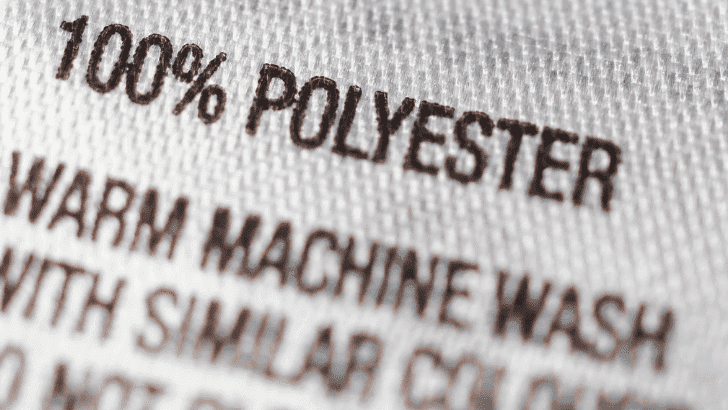
Check the tag on your favorite hoodie right now. Chances are, it says polyester, nylon, or some blend of those materials. Congratulations! You are literally wrapped in plastic.
That "breathable" athletic wear is most likely plastic. Those soft leggings you live in? Also plastic. We have been so focused on eliminating single-use plastics that we have completely ignored the plastic we put on our bodies every single day.
The Synthetic Takeover Nobody Talks About
Around 60% of our clothing today is made from synthetic materials, which are essentially different forms of plastic derived from petroleum. Polyester is just PET plastic, the same stuff in water bottles, spun into fibers.
When fast fashion brands can sell you a dress for less than your coffee order, you can bet it is because they are using cheap synthetic materials that cost almost nothing to produce.
The fashion industry sold us on synthetics hard. They are wrinkle-free, stretchy, quick-drying, and ridiculously cheap to manufacture.
In the post-World War II era, synthetic fabrics were marketed as modern and futuristic. Now they are just everywhere. We don't even think about it anymore.
The Environmental Nightmare We're Ignoring
Do you know every time you wash your synthetic clothes, they shed microplastic fibers up to 700,000 per load? These microscopic plastic particles are too small for filtration systems to catch, so they flow straight into waterways and eventually the ocean.
Scientists are finding these microplastics everywhere: in fish, in Arctic ice, in rain, even in human blood and placentas.
Unlike a plastic bag that you might use once, your polyester shirt keeps polluting every single time you wash it, for years. And when you finally throw it out, it will sit in a landfill for 200+ years, slowly breaking down into more microplastics that leach into soil and groundwater.

Source: TheGuardian
The fashion industry's carbon footprint is already massive, and synthetic fabric production is a significant contributor.
We are essentially wearing pollution that creates more pollution. The irony is almost funny, except it is not.
What It Is Doing to Your Body
But the environmental impact is just half the story. The plastic you are wearing might actually be messing with your health in ways we are only beginning to understand.
Synthetic fabrics are treated with dozens of chemicals during production from dyes to flame retardants, antimicrobial agents and waterproofing compounds. Many of these chemicals are endocrine disruptors, meaning they can interfere with your hormone system.
We are talking about chemicals like phthalates and BPA that can mimic estrogen in your body. Your skin is your largest organ, and it is absorbing whatever sits against it for 12+ hours a day.
Research is still emerging, but studies have linked prolonged exposure to these chemicals with hormonal imbalances, fertility issues, and developmental problems. Some scientists are particularly concerned about synthetic underwear and activewear that sits against your skin during workouts when your pores are open and absorption increases.

Then there is the fact that polyester does not breathe like natural fabrics. It traps heat and moisture against your skin, which can lead to rashes, irritation, and create the perfect environment for bacteria and fungal growth.
Ever notice how your synthetic gym clothes start to smell after a few wears, even after washing? That is because bacteria loves plastic and the smell literally gets trapped in the fibers.
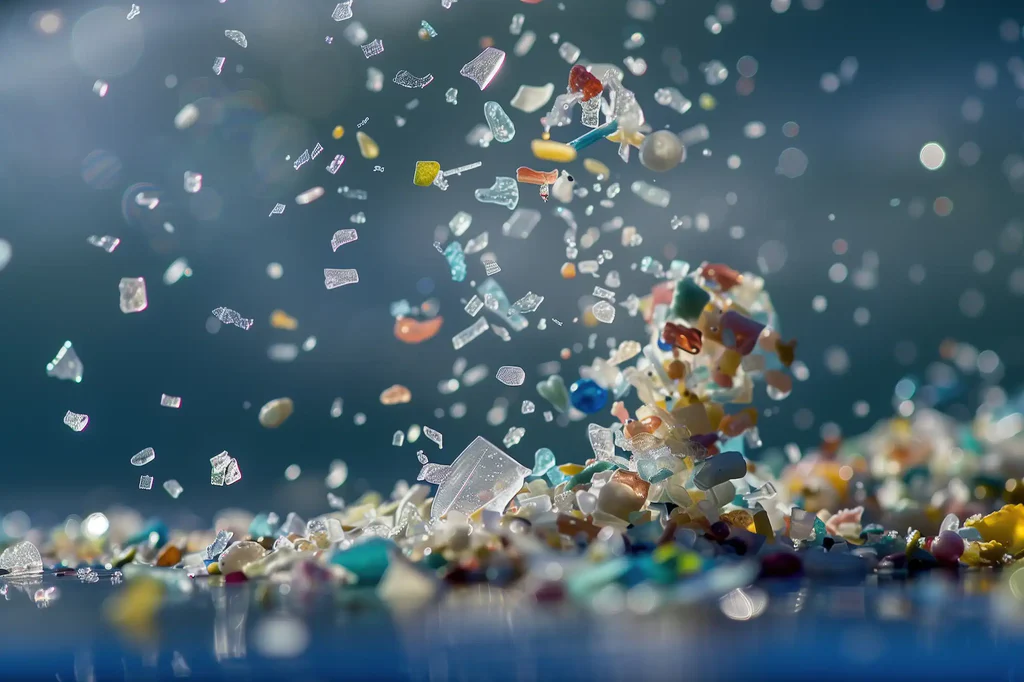
And remember those microplastics we talked about? You are not just washing them into the ocean, you are also breathing them in. Every time synthetic fabrics rub together or break down, they release tiny particles into the air. We are inhaling plastic dust from our own clothes, and researchers are finding microplastics in human lungs.
Why We Can't Seem to Quit It
So if synthetic fabrics are this problematic, why are we still buying them? The answer is complicated, but it mostly comes down to money and convenience.
Fast fashion has trained us to expect tops and jeans that are very cheap. And that is only possible with synthetic materials.
A 100% cotton t-shirt from an ethical brand might cost way more than that your ‘breathable’ top. For people on tight budgets, which, let's be real, includes most of us, choosing the cheaper option isn't really a choice.
Then there is performance. Try running a marathon in a 100% cotton shirt and you will understand why athletes swear by synthetics. They wick moisture, stretch without losing shape, and dry quickly. Natural alternatives exist, but they are often more expensive and harder to find.
There is also habit. We have grown up in a world where polyester is normal. Most people don't even check clothing tags or think about what their clothes are made from. And, the fashion industry doesn't exactly advertise "Hey, you're buying plastic!" on their marketing campaigns.
The Greenwashing Problem
Brands are catching on that consumers care about sustainability, so now we are seeing "recycled polyester" and "eco-friendly synthetics" everywhere. And yes, recycled polyester is better than virgin polyester. It uses less energy and keeps plastic bottles out of landfills temporarily. But it is still plastic. It still sheds microplastics when you wash it. It still does not biodegrade.
Some companies are developing bio-based synthetics from plant materials, which sounds promising until you realize many still are not biodegradable and the technology isn't scaled enough to make a real dent in the industry.
So What Actually Happens Now?
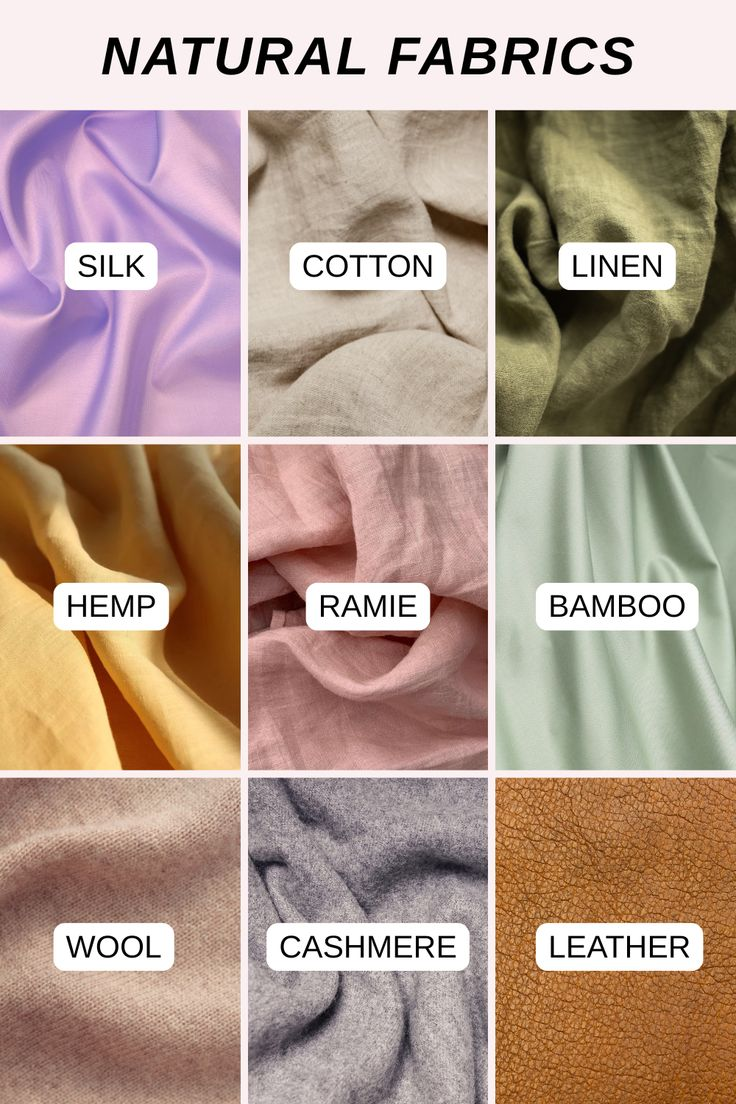
Natural fibers are not a perfect solution either. Cotton is incredibly water-intensive and often grown with pesticides. Wool has animal welfare concerns. Everything has trade-offs. But at least natural materials biodegrade and don't shed plastic into our water systems.
The real solution requires systemic change. We need regulations requiring microplastic filters on washing machines. We need extended producer responsibility laws that make brands accountable for their products' entire lifecycle. We need transparency in supply chains so we actually know what we're buying.
On a personal level, it is advisable to buy less, choose better when you can afford to, and keep clothes longer. Thrifting is your friend — secondhand shopping means no new production impact.
When you do buy new, check those tags. Natural fibers exist, and while they cost more upfront, they often last longer anyway.
It is time we brought the same energy we use to condemn everything plastic to our closets. Because it turns out the call is coming from inside the wardrobe, and we have been wearing the problem this whole time.