The Democracy Illusion: Why Nigerians Feel Powerful Every Four Years and Powerless Every Other Day
Every June 12, Nigerians celebrate democracy. Yet voter turnout is falling, trust in institutions is weakening, and many citizens feel politically powerless. Has Nigeria mistaken voting for democracy itself?
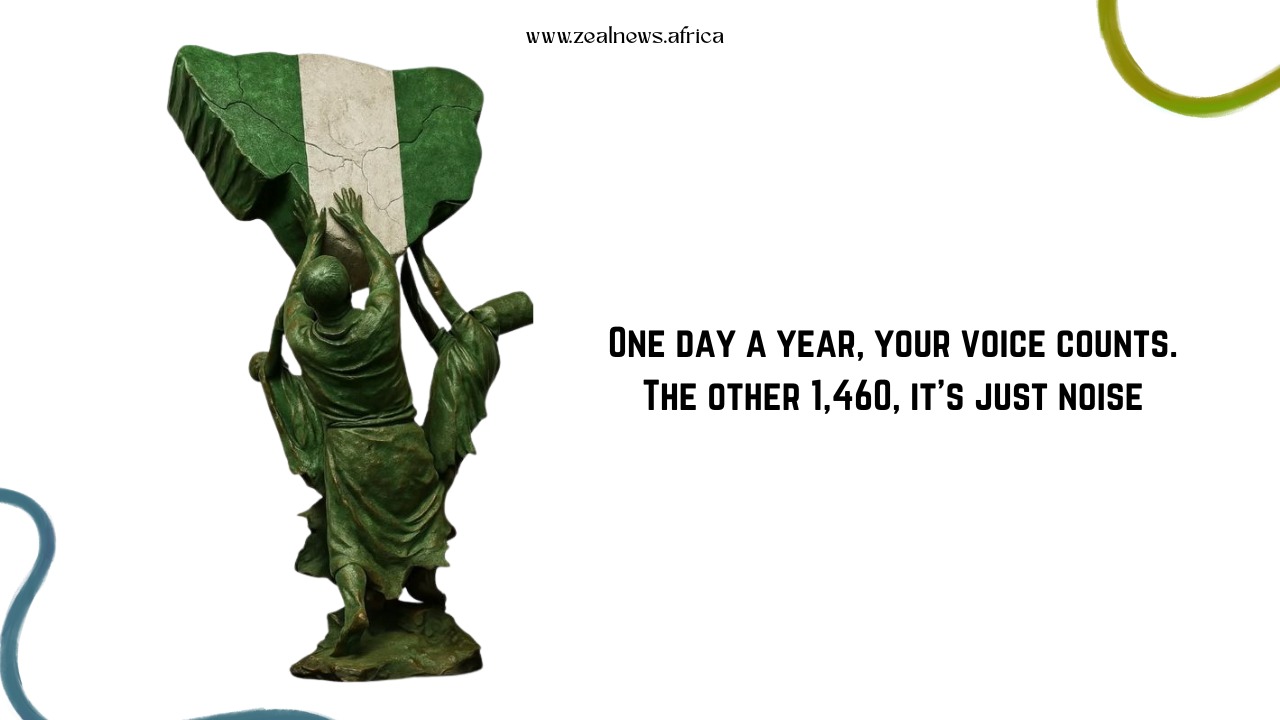
It’s Democracy Day today.
Yayyy.
Lagos traffic will move a little slower today. There'll be a public holiday, a presidential broadcast, maybe a parade in Abuja with soldiers marching in formation under a sun that doesn't care about June 12 or anything else. Somewhere, a governor will unveil a road project with a ribbon and a microphone.
By evening, X will be full of think-pieces about the "will of the people," and by tomorrow, everyone will go back to queuing for fuel, complaining about NEPA, and waiting for the next election cycle to start the whole performance again.
This happens every year. It happened last year. It will happen again in 2027, and the year after that, with the same speeches recycled almost word for word, the same tributes to the men who fought for June 12, the same affirmations that democracy belongs to the people.
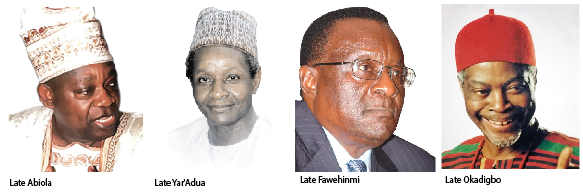
The ritual has become so smooth, so well-rehearsed, that it now functions as proof of its own success. Nigeria has elections, therefore Nigeria has democracy, therefore the system works. Case closed.
Except it isn't, and most Nigerians know it isn't, even if they don't always say it out loud. There's a quieter feeling underneath all the Democracy Day noise, one that doesn't get a national broadcast.
It's the sense that voting happens, but power doesn't move. That you can shout into the void for years, vote three or four times, and still wake up one morning to find fuel prices doubled overnight without anyone asking you first.
That's the paradox. A country can run elections successfully and still leave its citizens wondering what, exactly, those elections bought them.
The Fast Food Democracy Analogy
Think about the difference between a home-cooked meal and a plate of Indomie at 11 pm. The indomie is fast, predictable, and satisfying in the moment. It fills a need. But it doesn't nourish you the way a proper meal, prepared with attention, would.
Nigerian democracy, as most people experience it, runs on the indomie model. Every four years, there's a burst of activity: PVC registration, rallies, debates about Atiku versus Tinubu versus Obi, long queues at polling units in places like Yaba or Kubwa, and then... silence.
The meal is eaten, the satisfaction fades, and citizens go back to their lives until the next cycle.
Compare that to older models of communal decision-making. In many pre-colonial Yoruba and Igbo societies, governance wasn't a once-every-four-years event. Councils of elders met regularly.
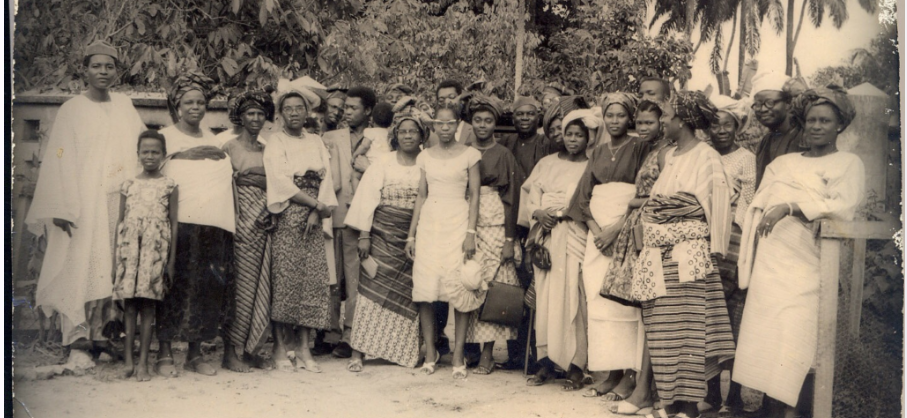
Age-grade associations had real influence over local affairs. The 1929 Aba Women's Riot, where Igbo women organized continuously over weeks to challenge colonial taxation policies, wasn't a single vote cast and forgotten.
It was sustained pressure, applied repeatedly, until the colonial administration was forced to respond. And this also applies to the Egba Women’s Tax Revolt that was led by Funmlayo Ransome Kuti
What Nigeria has now is something thinner. Citizenship has been compressed into a single transactional moment: the vote. Everything else, the conversations, the outrage, the hashtags, happens in the gaps between elections, where it has very little structural weight.
Why Politicians Love Angry Citizens
There's something most people get backwards: politicians aren't afraid of angry Nigerians. They're afraid of organized ones.
Anger is loud, but it's also short-lived. It trends for three days, gets a few comedy skits made about it, and then dissolves into the next news cycle. Organization is different. Organization doesn't go away when the trending topic changes.

Look at the Nigeria Labour Congress (NLC) fuel subsidy strikes of January 2012, the so-called Occupy Nigeria movement. For about a week, Lagos and Abuja shut down. Markets and banks were closed.
The Goodluck Jonathan administration, which had announced a sudden removal of fuel subsidy on January 1st, was forced to partially reverse the price hike within days.
That wasn't anger alone. That was organized labour, civil society groups, and market associations coordinating together, with leverage that came from their ability to paralyze economic activity.
Now compare that to October 2020. The EndSARS protests were arguably the largest youth-led movement Nigeria has seen in decades. Young Nigerians, the #SoroSokeGeneration, occupied the Lekki tollgate and other locations across the country for nearly two weeks, demanding the disbandment of the Special Anti-Robbery Squad. SARS was officially disbanded.
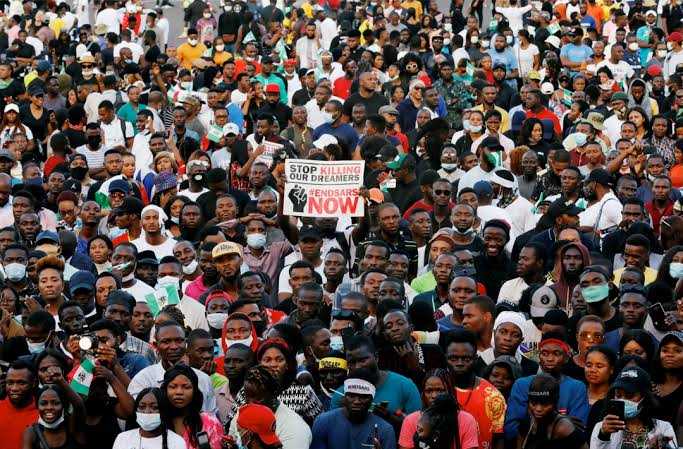
But beyond that single concession, and the tragedy of October 20th at the tollgate, the deeper structural demands, police reform, judicial panels with teeth, accountability for the shootings, largely faded.
The energy was real. The anger was justified. But it didn't have the sustained organizational scaffolding that the 2012 strikes had, and the system absorbed it.
Politicians have learned this lesson well. Let people shout. Shouting is manageable. Organization is the actual threat. Which is exactly why they are quick to send the police when they notice NIGERIANS ARE GATHERING.
The Illusion of Choice
By the time Nigerians get to the ballot, the real decisions have already been made.
Party primaries, often conducted behind closed doors in hotel suites in Abuja, determine who even appears on the ballot. Godfatherism, a word every Nigerian understands instinctively, shapes candidate selection long before the average voter has any input.
Money politics, the kind that makes a party delegate's vote worth more than an entire ward's worth of ordinary votes, narrows the field before campaign season even begins.
So when Nigerians go to vote in February, they're not choosing from an open field. They're choosing from whatever survived the filtering process, a process most of them never see and have no access to.
The choice is real, in the sense that the outcome isn't predetermined down to the last digit. But it's constrained, shaped by forces that operated long before anyone touched a ballot paper.
The Nigerian Citizen Is Politically Active, Not Politically Powerful
Walk into any barbershop in Surulere, any okada stand in Kano, any office WhatsApp group in Port Harcourt, and you'll find political conversation everywhere. Nigerians are not apathetic. If anything, Nigerians are among the most politically vocal people on the continent.
But activity and power are not the same thing. A trending hashtag about fuel prices is activity. A policy reversal is power. Nigeria produces enormous amounts of the former and very little of the latter.
June 12, 1993, mattered because Moshood Kashimawo Olawale (MKO) Abiola won an election that was widely seen as Nigeria's freest and fairest, and the military annulled it anyway.
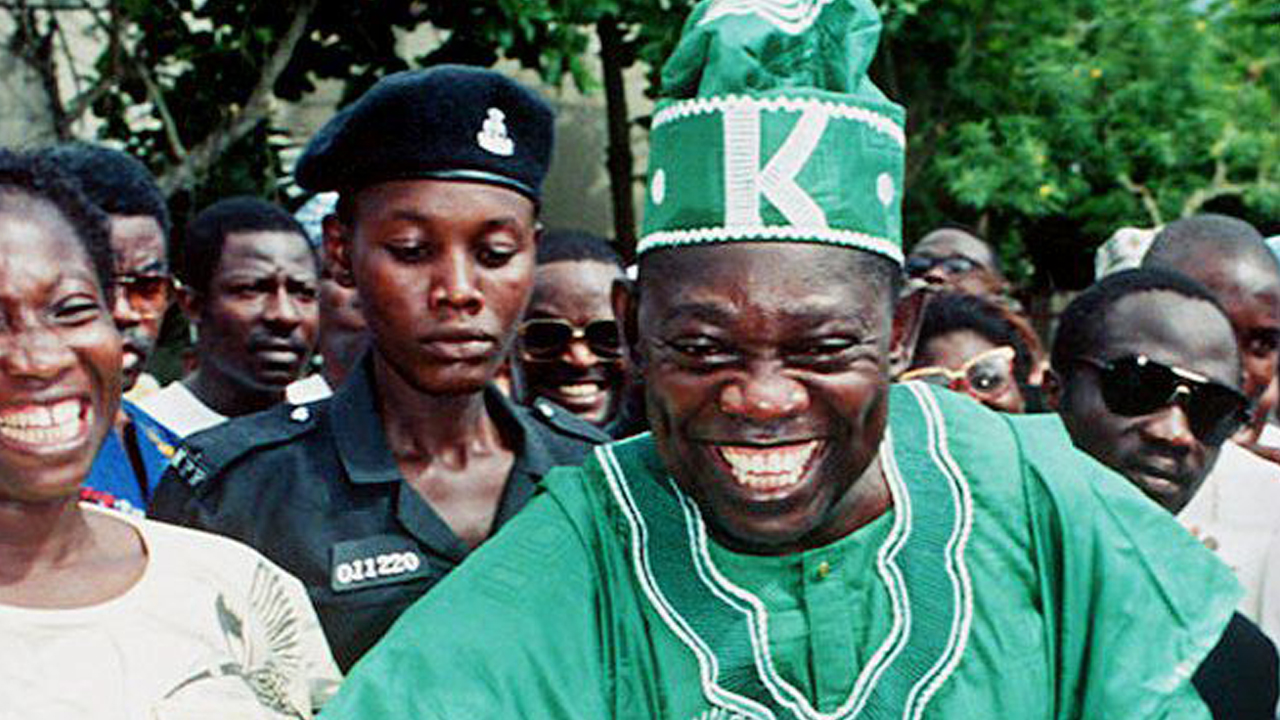
The struggle that followed wasn't just about restoring one man's mandate. It was about a broader demand: that ordinary people's voices should count in how the country was run, not just on election day, but continuously.
Three decades later, voting has been restored. Elections happen on schedule, but the broader demand, that citizens' voices should shape governance between elections, remains largely unmet.
The Real Crisis Is Not Apathy, It Is Conversion
The problem isn't that Nigerians don't care. It's that the mechanisms for converting that care into outcomes are weak. Energy goes in. Very little comes out the other side.
This is the question worth sitting with today: not whether Nigerians are participating, because clearly they are, loudly and constantly. The question is whether participation, as currently structured, was ever designed to produce anything beyond itself.
Every four years, Nigerians feel like the country belongs to them. Every other day, it belongs to whoever already had access before the ballot was printed. Maybe the holiday isn't the problem. Maybe it's what we've allowed the holiday to mean.