The British Wanted to End the Slave Trade in Lagos. One Woman Said No. Who Was She?
The British wanted the slave trade out of Lagos. Efunroye, one of West Africa’s most powerful merchants, had other plans. What happened when they came for her?
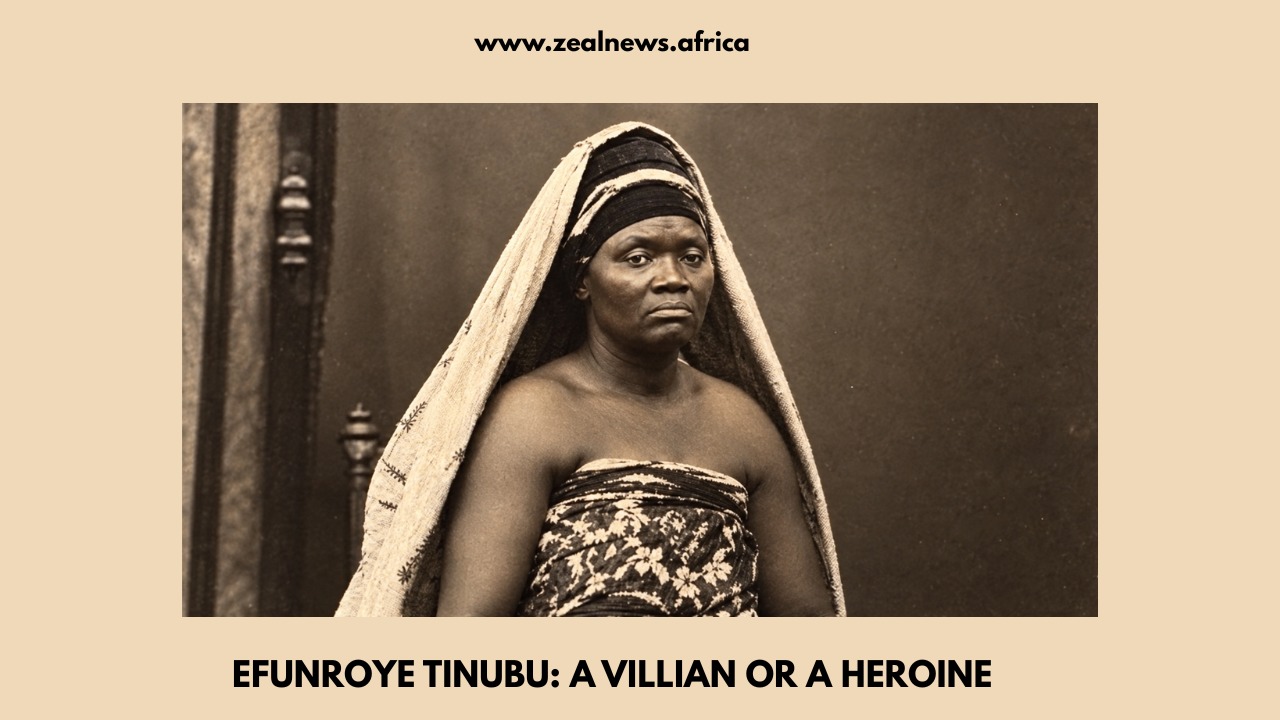
By the middle of the nineteenth century, Lagos had become a place where money, politics, and the slave trade were impossible to separate. British officials wanted the trade stopped. African rulers had their own interests in the matter.
European and Brazilian merchants wanted their business protected. And at the center of this increasingly dangerous struggle was a woman who had built so much power through commerce that even kings had to take her seriously.
Her name was Efunroye.
She was a merchant, political power broker, kingmaker, and eventually the Iyalode of Egbaland. She was also involved in the trade in enslaved people, and when British officials moved aggressively to suppress that trade in Lagos, Efunroye did not quietly accept their authority.
She resisted them, challenged their consul, and ultimately paid the price by being forced out of Lagos.
Her story is therefore not a simple tale of a heroic African woman standing against Europeans. It is much more complicated, and much more interesting.
Efunroye was fighting to protect a commercial and political order from British interference, even when that order depended partly on a trade Britain was trying to suppress.
Efunroye Built Her Power Through Trade
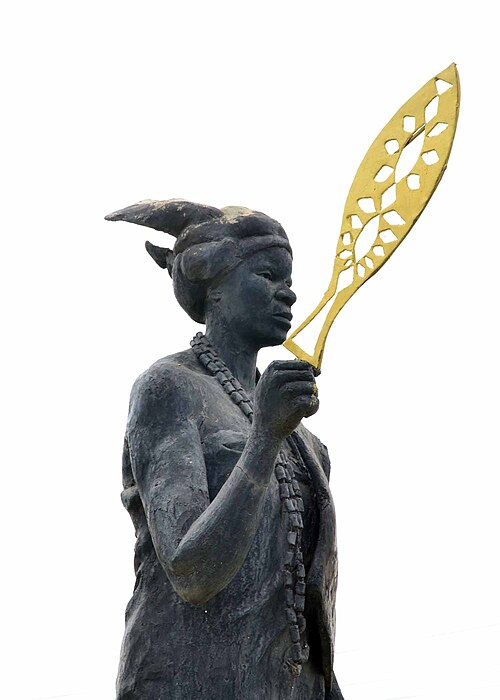
Efunroye — Efunporoye Osuntinubu — was born between 1805 and 1810 and came from the Egba area. She entered the commercial world at a time when women could become important traders but faced a business environment dominated by powerful male merchants and political authorities.
Rather than remaining at the retail end of commerce, she built relationships that connected the interior with the coastal markets of Badagry and Lagos. By the 1850s, she had become one of the leading intermediaries between merchants in the interior and European and Brazilian traders on the coast.
Her commercial network expanded as the nineteenth century changed the economics of West Africa. European powers were increasingly turning away from the Atlantic slave trade and towards commodities such as palm oil, cotton and other products from the region.
Efunroye understood the changing market and diversified her trading interests, but she remained connected to the trade in enslaved people that had made coastal commerce so profitable.
Her marriage to Oba Adele, a former king of Lagos, pushed her closer to the centre of political power. When Adele returned to the Lagos throne in 1835, Efunroye moved into Lagos and became deeply involved in the political relationships surrounding the royal court.
After Adele's death, she continued building alliances and eventually supported Akitoye, her brother-in-law, in the struggle for the Lagos throne.
When Akitoye became king in 1851, Efunroye received favourable commercial concessions and property. Her influence became so significant that some Lagos chiefs opposed the privileges she enjoyed.
History
Rewind the Stories that Made Africa, Africa
A Journey Through Time, Narrated with Insight.
She was no longer simply a wealthy merchant who happened to know powerful people. She had become one of the people who helped determine where power went.
Then Britain decided that Lagos could no longer continue operating on its own terms.
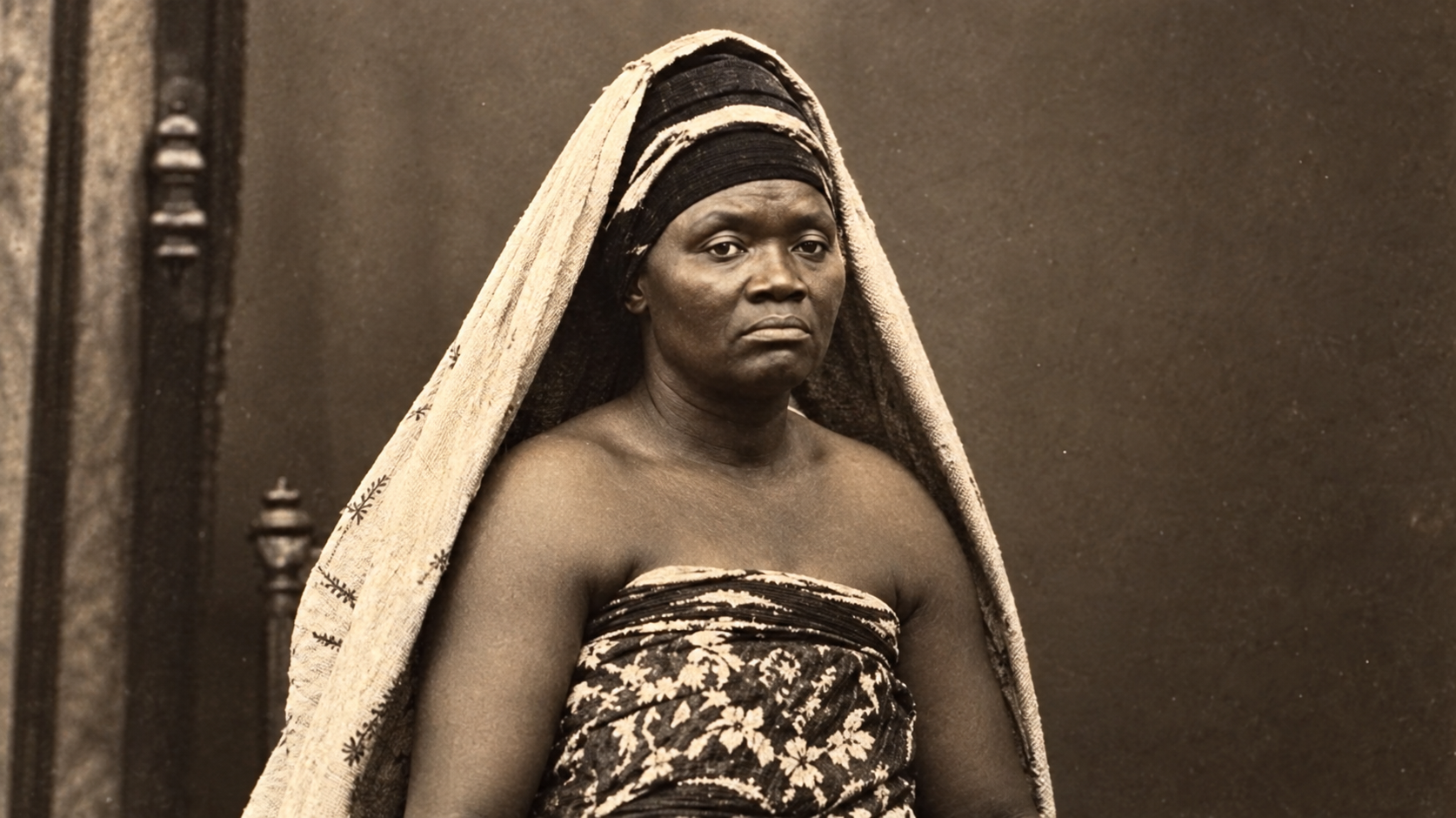
Britain Wanted the Slave Trade Gone, Yet Efunroye Fought the New Order
The British campaign against the Atlantic slave trade had been underway for decades, but Lagos became a particularly important battleground in the 1850s.
British officials wanted to prevent the trade from continuing and also wanted greater influence over Lagos politics and commerce. Historian Robert Smith describes the British intervention as being driven partly by the suppression of the slave trade, alongside commercial, political and strategic interests.
In 1851, the reduction of Lagos happened. British forces attacked Lagos, removed Oba Kosoko from the throne and helped restore Akitoye.

The new political arrangement was followed by an agreement under which Oba Akitoye committed to abolishing the transatlantic slave trade in Lagos.
For Efunroye, this was a serious problem.
Her commercial interests were tied to the existing order, and sources describe her as continuing to trade in enslaved people despite the restrictions.
She was recorded trading enslaved people for firearms with Brazilian and Portuguese merchants while she retained considerable influence under Akitoye.
The conflict was not simply between Efunroye and slavery abolition.
It was also a struggle over who had the right to control Lagos.
British officials increasingly interfered in the affairs of the Lagos monarchy, while Efunroye regarded the growing British presence as an attack on the authority of the rulers and commercial networks she had spent years building.
Her opposition eventually brought her directly into conflict with Benjamin Campbell, the British consul.
Campbell objected to her economic influence and her continued involvement in the slave trade. Efunroye, in turn, opposed his interference in Lagos affairs. According to historical accounts, she was involved in efforts to remove Campbell from his position.
In 1856, Campbell confronted her with British military force and demanded that she leave Lagos. Faced with that pressure, Efunroye returned to Abeokuta.
History
Rewind the Stories that Made Africa, Africa
A Journey Through Time, Narrated with Insight.
That moment tells you almost everything about the woman.
She had challenged a British official at a time when Britain was rapidly expanding its power along the West African coast. She had refused to simply surrender her commercial interests because a foreign government had decided the rules were changing.
But Britain was changing the rules anyway.
Lagos would eventually become a British colony in 1861.
The Woman Lagos Could Not Easily Forget
If being expelled from Lagos was supposed to end Efunroye's political importance, it did not work.
Abeokuta became the next major stage of her life. There, she continued trading and became involved in the defence of the Egba community against Dahomey. Her wealth, political influence and role in the community eventually earned her the title Iyalode of Egbaland, a position that gave her formal authority in Egba society.
She continued to participate in political affairs and retained enough influence to play a role in questions surrounding leadership. Her career therefore stretched across two very different worlds: the commercial Lagos of the slave-trading era and the increasingly colonial West Africa that followed it.
Efunroye died in Abeokuta in 1887.
By then, the political world she had fought to protect had changed dramatically. Lagos had become a British colony, the Atlantic slave trade had been suppressed, and the British were building the colonial structures that would eventually reshape the region.
But Efunroye's name survived.
The place now known as Tinubu Square in Lagos was named after her, preserving the memory of a woman whose influence once reached from the trading floor to the royal palace.
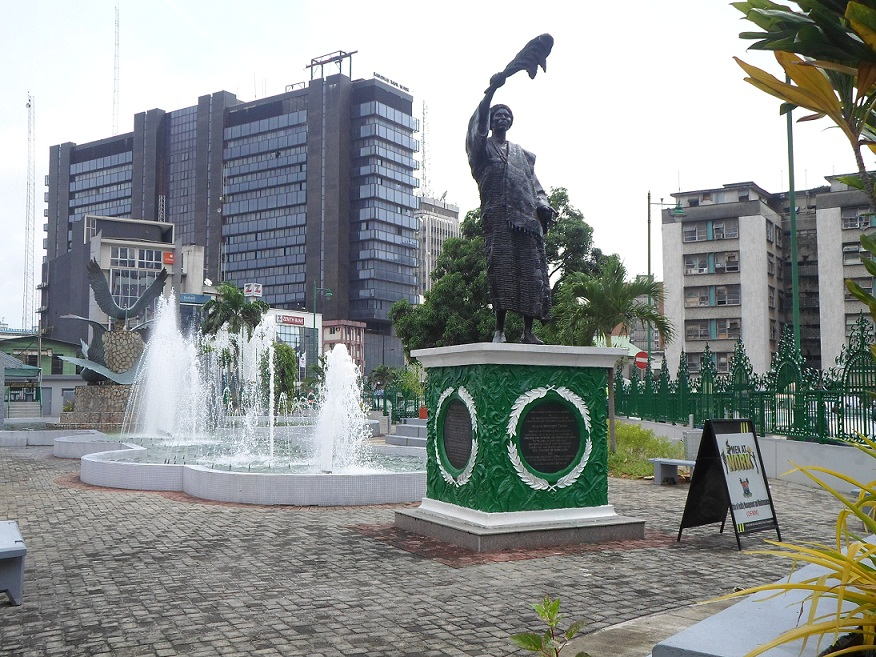
Efunroye’s story does not end well, because history rarely does. She was powerful at a time when wealth, political influence and the trade in human beings were deeply entangled. She built an empire from commerce, influenced kings and resisted British interference, but some of that wealth came from selling people into slavery.
The fact that Lagos later gave her a square does not change that history, just as her role in the slave trade does not erase the political power she wielded.
Perhaps that is why Efunroye remains such a difficult figure to remember. Her story forces us to ask what exactly gets preserved when a city names a place after someone: their courage, their influence, their wealth, their politics, or simply the parts of their past that later generations find easier to celebrate.
Efunroye left behind a name that Lagos still carries. But alongside that name sits a history that cannot be cleaned up.
History
Rewind the Stories that Made Africa, Africa
A Journey Through Time, Narrated with Insight.
So that leaves one final thing: Is she a heroine or a villian?