Spotlight on Africa: 7 Powerful Southern African Kingdoms and Empires History Remembers - Part Three
Seven powerful Southern African kingdoms, from Mapungubwe and Great Zimbabwe to the Zulu, Basotho and Ndebele states, and the histories that shaped the region.
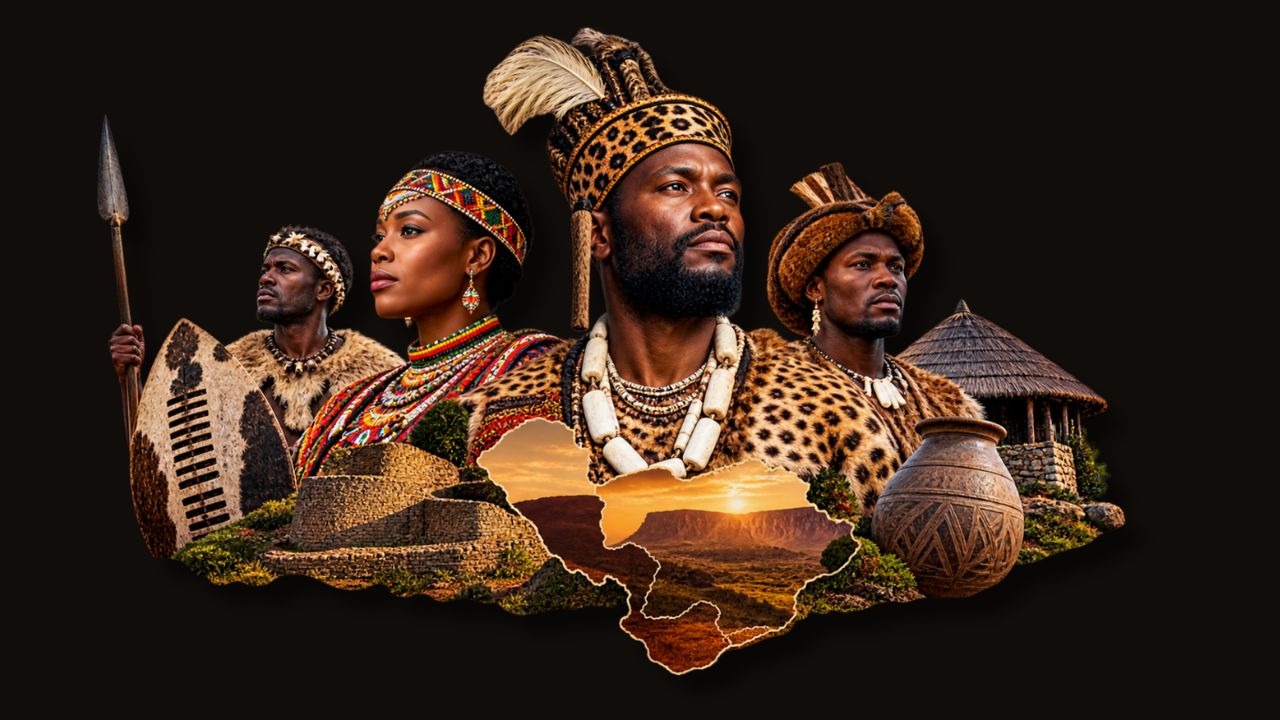
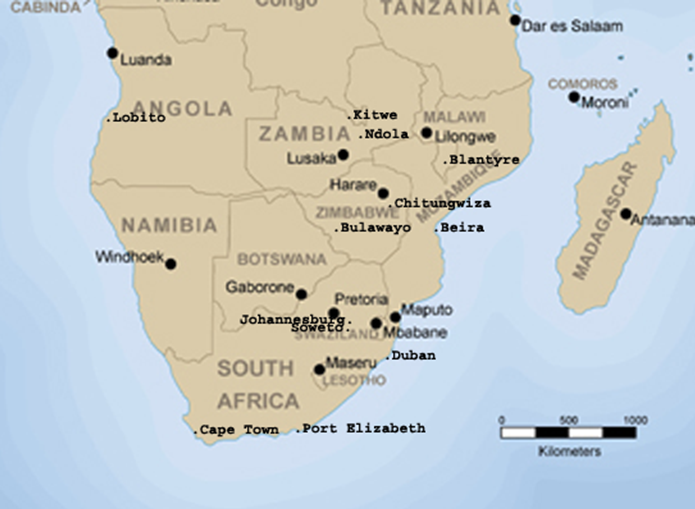
Southern Africa was never a region without powerful African states. Long before modern borders divided the region into countries such as Zimbabwe, South Africa, and Lesotho, kingdoms and empires controlled trade routes, built monumental cities, commanded armies, and developed sophisticated political systems.
Some rose through gold and ivory trade, others through diplomacy or military power, while several were forced to confront expanding European colonial influence.
Here are seven powerful kingdoms and empires that shaped Southern African history.
1. Mapungubwe Kingdom
Between 900 and 1300 AD, Mapungubwe became one of Southern Africa’s earliest powerful indigenous kingdoms, centred near the confluence of the Limpopo and Shashe rivers.
Its strategic position connected it to trade routes reaching the East African coast, Arabia and India, while gold and ivory brought considerable wealth. UNESCO describes it as the largest kingdom in the African subcontinent at its height.
2. Great Zimbabwe
Mapungubwe’s decline was followed by the rise of Great Zimbabwe, which became a major centre of political power and long-distance trade from around the 11th century. Its enormous stone structures, including the Great Enclosure, demonstrated remarkable architectural and organisational ability, while trade connected the kingdom to the Swahili coast and beyond.
Yet colonial-era interpretations notoriously struggled to accept that Africans had built such monumental structures, attributing them to outsiders instead. Archaeological evidence has since established Great Zimbabwe as an African achievement.
3. Mutapa Empire
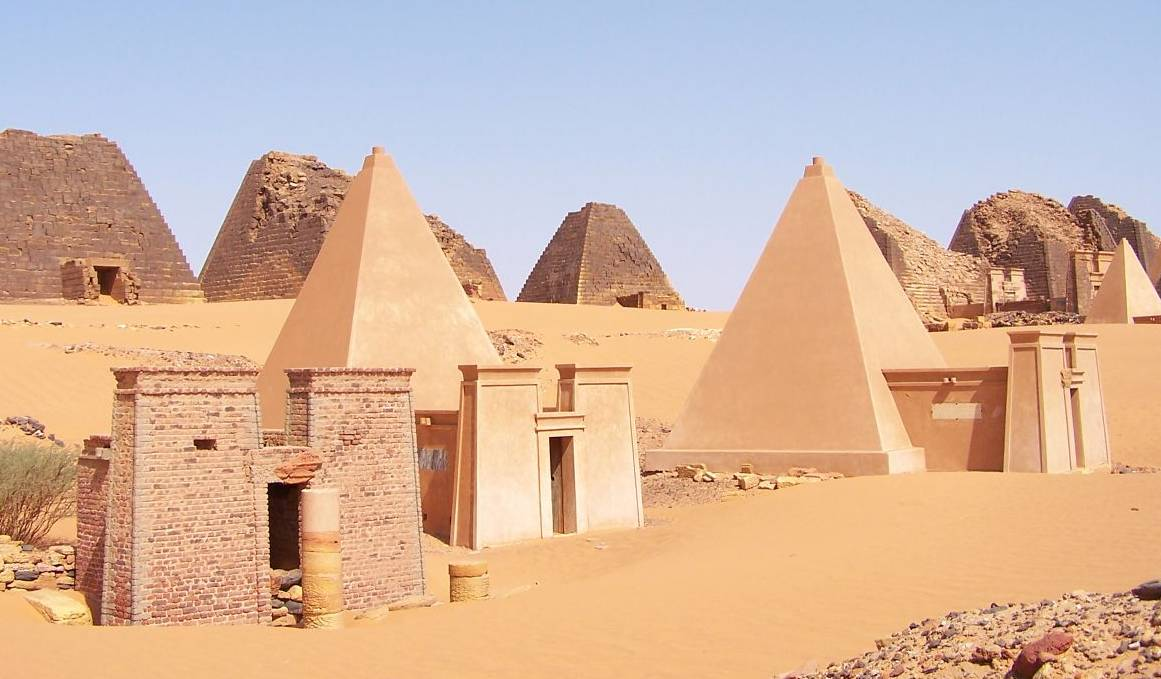
By the 15th century, the Mutapa state had emerged north of Great Zimbabwe, expanding through parts of present-day Zimbabwe and Mozambique. Its rulers controlled important gold and ivory resources and participated in Indian Ocean trade through East African merchants and later the Portuguese.
The kingdom’s history shows how closely Southern Africa was connected to wider commercial networks long before European colonial rule.
4. Rozvi Empire
The Rozvi Empire rose on the Zimbabwean Plateau in the late 17th century under Changamire Dombo. It became a major regional power and resisted Portuguese influence, eventually controlling much of present-day Zimbabwe. Its rise demonstrated that European intrusion did not automatically translate into European control.
History
Rewind the Stories that Made Africa, Africa
A Journey Through Time, Narrated with Insight.
5. Zulu Kingdom
In the early 19th century, Shaka Zulu transformed the Zulu state into a formidable regional power, reshaping politics across Southern Africa. Decades later, under King Cetshwayo, the kingdom delivered a major defeat to the British at Isandlwana in 1879, before the British eventually defeated the Zulu at Ulundi and dismantled their political independence.
6. Basotho Kingdom
Founded by Moshoeshoe I, the Basotho Kingdom survived through a combination of state-building, military organisation and diplomacy. Moshoeshoe navigated pressure from neighbouring African states, Boer settlers and British expansion, helping preserve a distinct Basotho political identity that would eventually form the foundation of modern Lesotho.
7. Ndebele Kingdom

The Ndebele Kingdom emerged under Mzilikazi after his break from the Zulu kingdom. Moving northwards, Mzilikazi established a powerful state in present-day Zimbabwe, where the Ndebele developed a political and military system that brought different communities into the kingdom.
These kingdoms were never simply “lost” history
From Mapungubwe’s trade networks to Great Zimbabwe’s stone architecture, Mutapa’s gold routes, Rozvi resistance, Zulu military power, Basotho diplomacy and Ndebele state-building, Southern Africa produced political systems that were far more complex than old colonial narratives often allowed.
Their history is not simply about kingdoms that disappeared. It is about African states that built, traded, fought, negotiated, and adapted long before the modern map of Southern Africa existed.