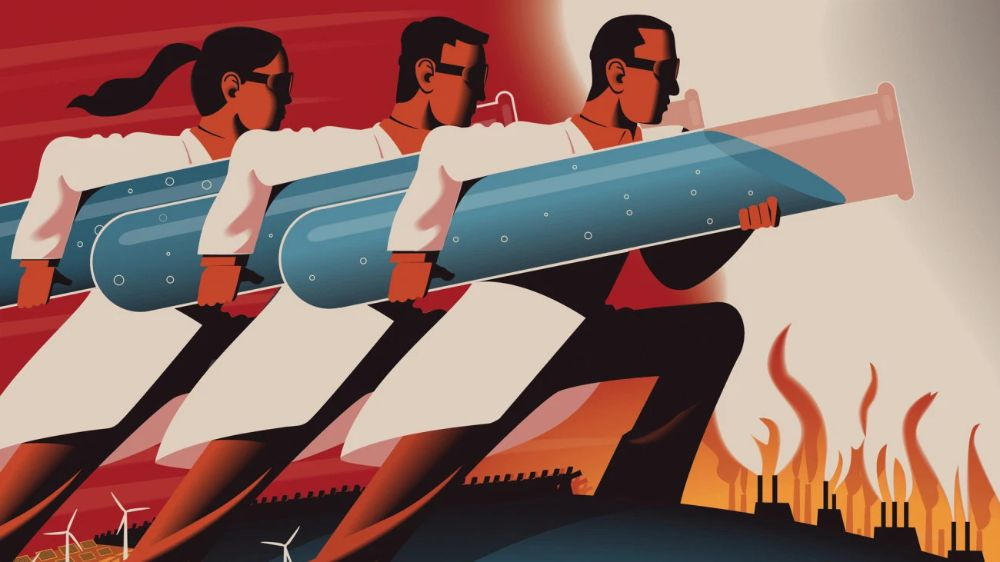
The 1.5°C Limit Is Breaking: Why 2026 Is Climate’s Make-or-Break Year
The 1.5°C climate limit is cracking, and 2026 could decide whether the world averts disaster or locks in irreversible warming. Here’s why this year is climate’s tipping point.
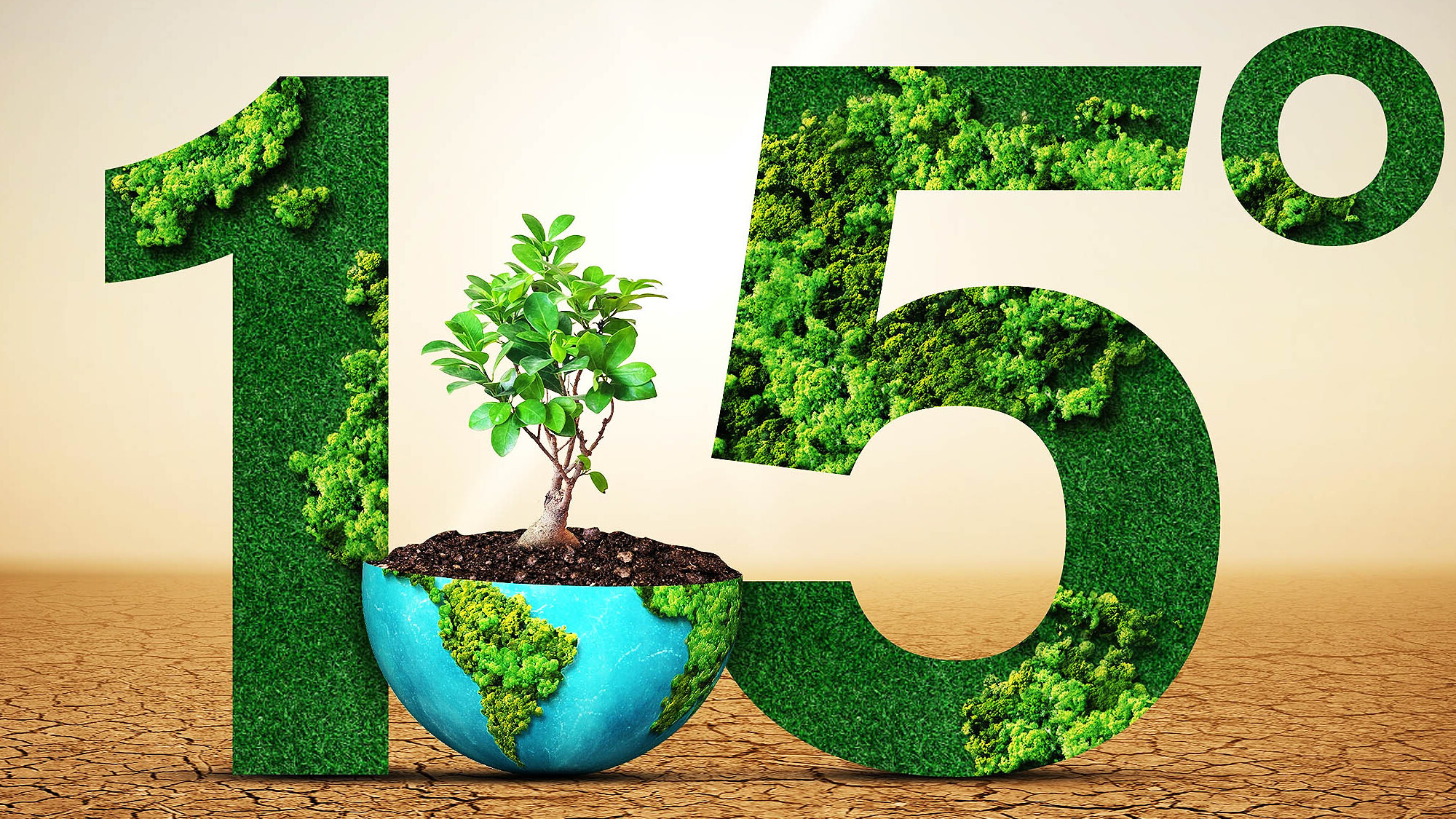
We have a serious climate issue that is not being talked about enough. In 2024, we pushed past the 1.5°C limit that scientists have warned about for decades. For the past warm 11 years, 2024 topped the chart with 2025 as the third-warmest year, and if we aren’t careful, 2026 will continue the trend and it might be worse than the past two years.
2026 is either the year that gets us locked in this catastrophic global-warmingor the year we make the greatest come-back in human history.
The 1.5°C Promise We Are Breaking
Remember the Paris Agreement from 2015? World leaders promised to keep global warming below 1.5°C above pre-industrial levels. This wasn't some random number.
Scientists identified 1.5°C as the point where climate impacts shift from "really bad" to "potentially irreversible nightmare." We are talking about coral reefs dying off completely, ice sheets collapsing, and entire island nations disappearing underwater.
Right now, we are sitting at around 1.3°C of warming, and 2024 saw months that breached 1.5°C. Yes, temporary spikes don't mean permanent failure yet, but they are like warning lights flashing on your dashboard — ignore them long enough, and the engine seizes.
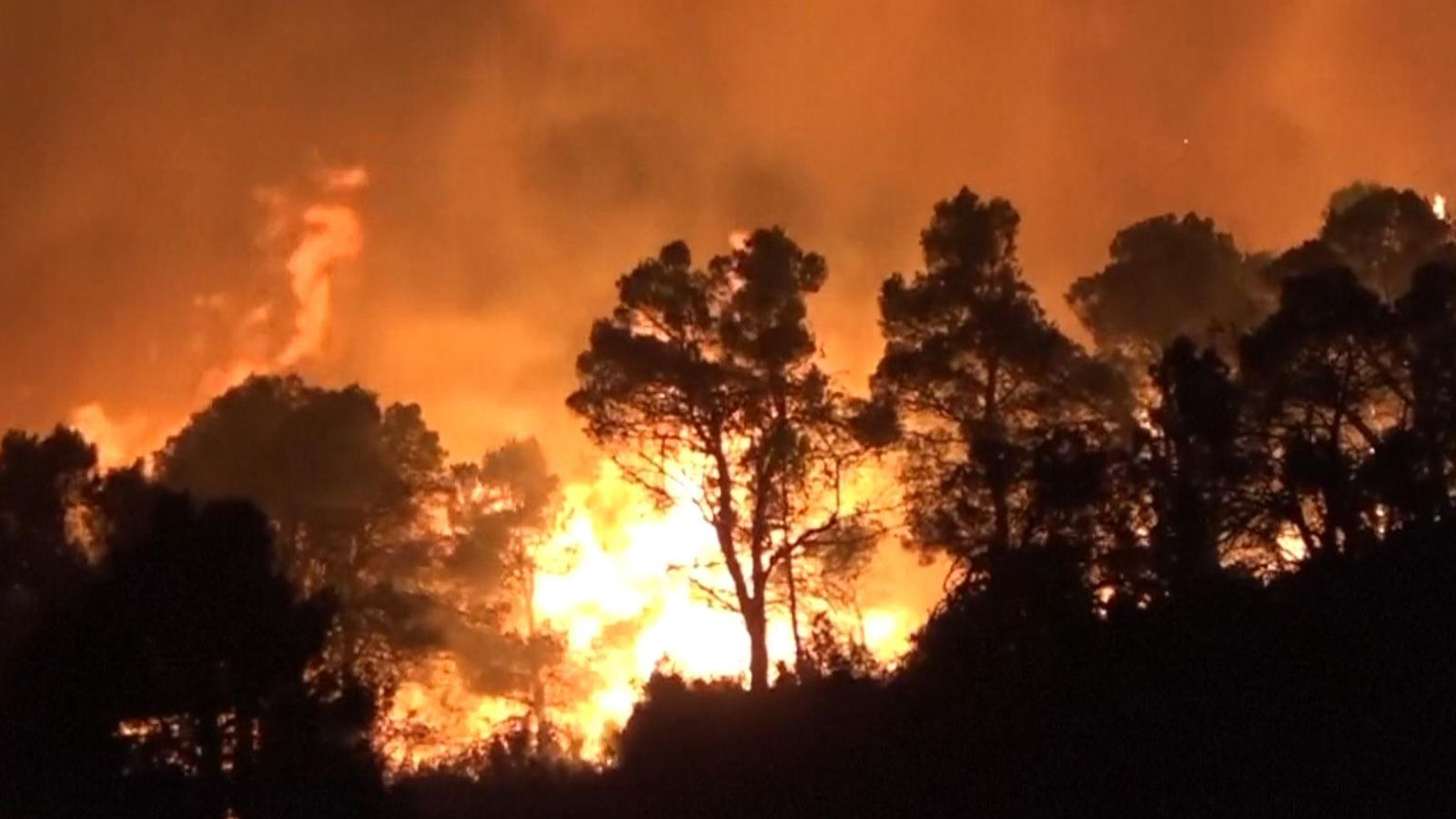
The evidence is everywhere. Pakistan's floods in 2022 submerged a third of the country. Europe's heat waves are killing thousands every summer. Wildfires are turning whole towns to ash from California to Australia to Greece. These are not accidents anymore. This is the new normal we are creating, and it is only going to intensify.
How We Got Here (Spoiler: It Is Not Good)
Despite decades of climate conferences and corporate "net-zero" pledges, global emissions are still climbing. We are currently on track for around 2.5 to 3°C of warming by 2100 — a world where large parts of the planet become functionally uninhabitable.
The problem isn't a lack of solutions. Solar and wind energy are now cheaper than fossil fuels in most places. Electric vehicles are going mainstream. The technology exists.
What we are missing is the political courage to actually deploy it at scale and the willingness to tell fossil fuel companies their business model is over.
Meanwhile, the planet's natural defense systems are failing. The Amazon rainforest, which used to absorb massive amounts of CO2, is now releasing carbon in some areas due to deforestation and drought.
Arctic permafrost is thawing, releasing methane that has been locked away for millennia. Ocean absorption of CO2 is slowing. We are not just fighting the emissions we create today, we are fighting feedback loops that make everything worse.
Why 2026 Changes Everything
In 2025, every country is supposed to submit updated climate pledges, what they are actually going to do to cut emissions. These pledges will be debated and finalized through 2026, and they will determine what infrastructure gets built, what investments get made, and ultimately what kind of planet we're stuck with.
The math is brutal. To have even a 50% chance of staying below 1.5°C, we can only emit about 250 more gigatons of CO2. At current rates, we will blow through that in less than six years. Even the less ambitious 2°C target gives us maybe 15 years at current emission levels.
Every coal plant approved in 2026 will pump out emissions for 40 years. Every new gas pipeline locks in decades of fossil fuel dependency. Every year we delay aggressive climate action, the transformation required becomes more extreme and expensive.
The decisions made in 2026 will literally determine whether Gen Z and younger generations inherit a livable planet or a climate disaster movie.
What Actually Needs to Happen
We need emissions to peak globally by 2026 and then fall by about 45% by 2030. That means massive, immediate changes. Rich countries need to hit net-zero emissions by 2040, not 2050.
Coal plants need to close, not get replaced with gas. Massive investment needs to flow into renewable energy, public transit, and green technology, we are talking trillions, not billions.
This isn't just about government action. Corporations need to stop greenwashing and start actually decarbonizing their supply chains. Banks and investment firms need to divest from fossil fuels completely. And yes, individuals matter too — voting, protesting, changing consumption habits, and demanding accountability from every institution.

The Reality Check
If we actually treat 2026 like the emergency it is, we can still limit warming to around 1.6 or 1.7°C. That is not ideal, but it is survivable.
It means accepting some losses. It means knowing some coral reefs won't make it, some coastal areas will flood but it also means avoiding the worst-case scenarios where entire agricultural systems collapse and billions of people are displaced.
If we continue sleepwalking through this crisis, we are looking at a 3°C world where heat waves regularly kill tens of thousands, where food and water scarcity trigger conflicts, where climate refugees number in the hundreds of millions.
Miami, Bangkok, and Shanghai are partially underwater. The Mediterranean is becoming semi-arid. This is not some sci-fi movie, it is the trajectory we are currently on.
Why We Can Still Win This
But there is hope. This is winnable. Renewable energy installationsbroke records again in 2024. Youth climate movements are forcing political change. Clean technology is getting better and cheaper every year.
History shows us that massive transformations can happen fast when society decides they must. We rebuilt entire economies after World War II. We have seen civil rights movements reshape nations in years, not generations. The question is not whether we can change, it is whether we will.
2026 is the year we decide. Everything after depends on what we do right now. The 1.5°C limit is breaking, but our future isn't broken yet. It is time to act like it.