Textiles, Paper, Tyres and Vehicle Assembly: What Happened to the Industries Nigeria Built?
Nigeria built the factories, but many of the systems needed to keep them productive weakened over time. What happened to that industrial capacity?
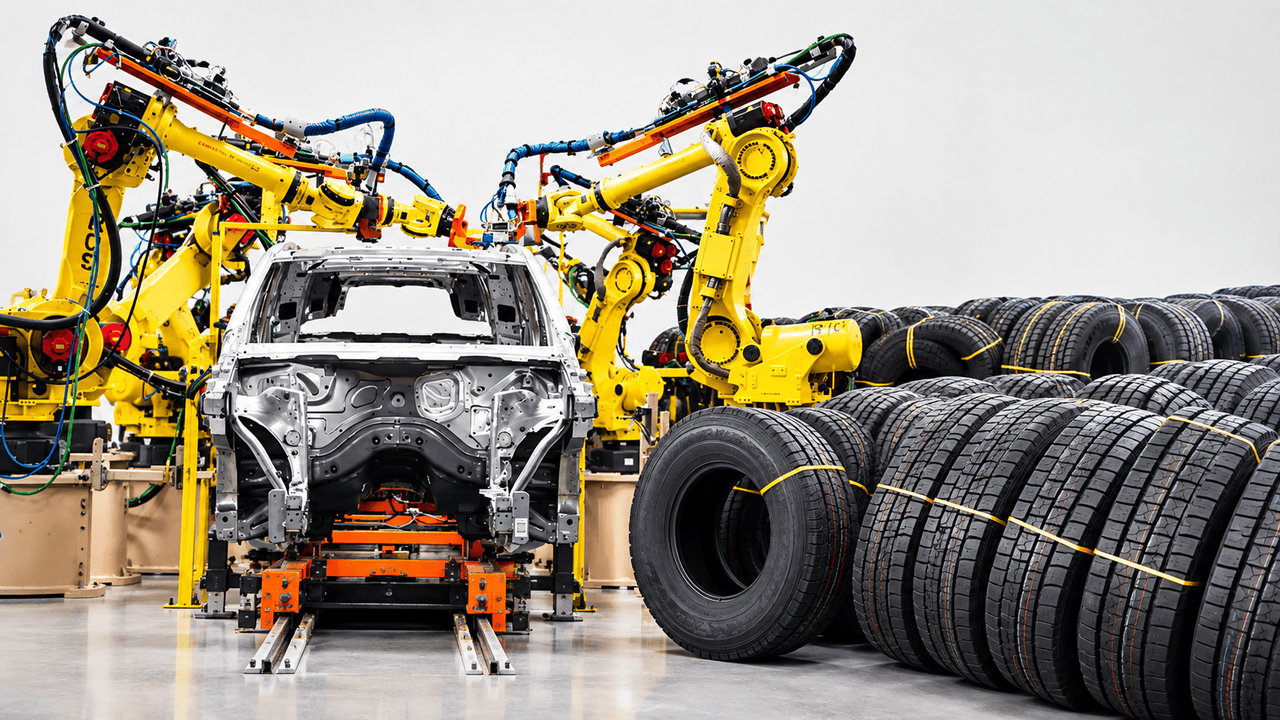
Before United Nigerian Textiles Ltd shut its Kaduna mill in 2007,more than 7,000 people were on its payroll. When the factory resumed production in December 2010 with support from the ₦100 billion Cotton, Textile and Garment Development Fund, it returned with a much smaller workforce.
We most likely know Nigeria today as a country that imports a lot of what it uses, but it was not always this way.
Nigeria was building textile mills, paper plants, tyre factories and vehicle assembly lines with the expectation that more of what the country used could be made at home.
When Kaduna was a textile centre
Kaduna Textiles Ltd began production in 1957. Nortex followed in 1962, United Nigerian Textiles Ltd in 1964 and Arewa Textiles in 1965.By the 1970s, Kaduna had become one of Nigeria's major textile centres, with mills spinning, weaving, dyeing and printing cloth for Nigerian and West African markets.
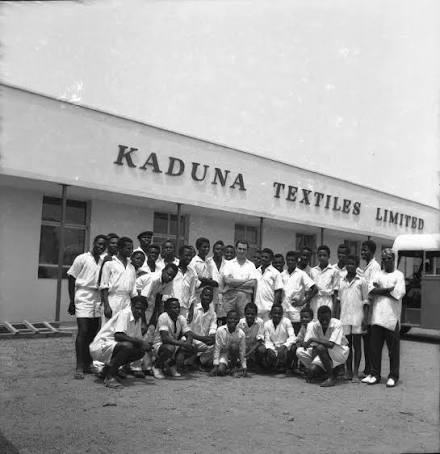
The 1986 Structural Adjustment Programme devalued the naira, increasing the cost of imported machinery and spare parts. Textile manufacturers were also dealing with unreliable electricity, ageing equipment and difficulty obtaining local cotton.
Cheaper imported textiles and smuggling added to the pressure.
Kaduna Textiles closed in 2002, Arewa Textiles in 2005 and UNTL in 2007. The federal government later provided support through the ₦100 billion Cotton, Textile and Garment Development Fund. UNTL resumed production in December 2010, butresearch on the reopening found that it was operating with a skeleton workforce.
The mill had returned. The industrial city that had grown around it had not.
The paper mills built to supply Nigeria
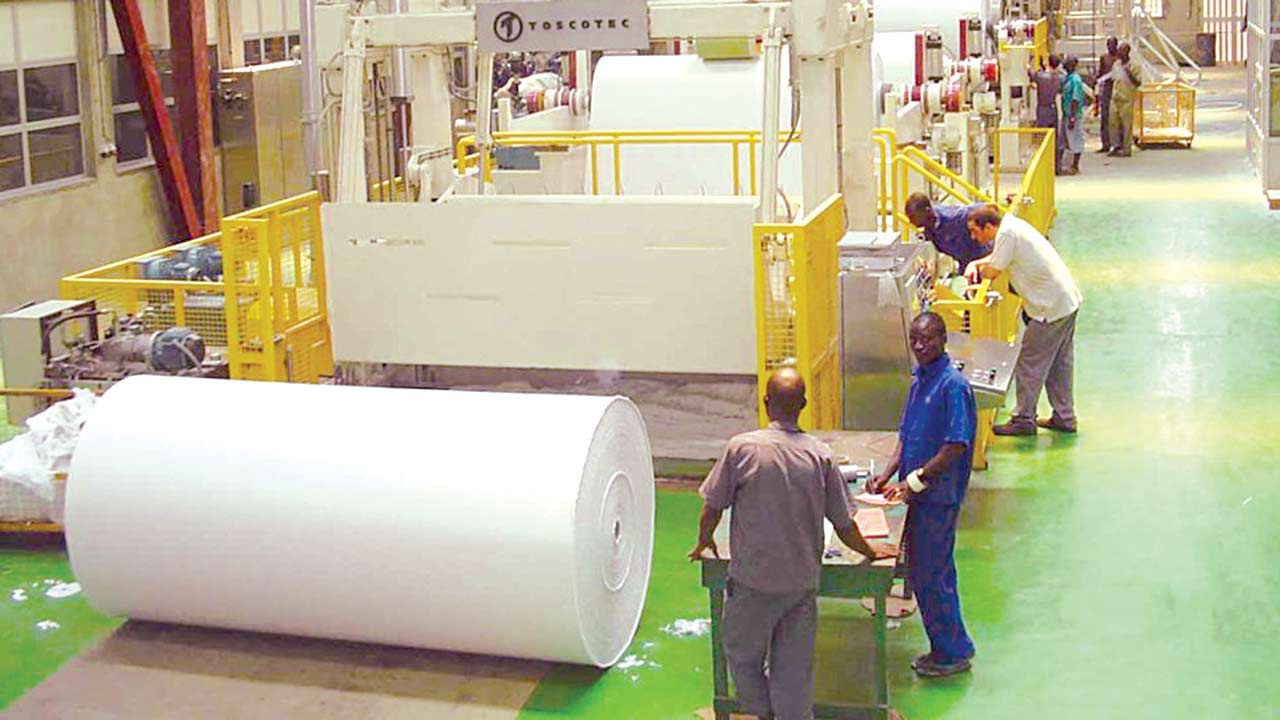
Nigeria built large paper plants at Jebba in Kwara State, Oku-Iboku in Akwa Ibom State and Iwopin in Ogun State.
Oku-Iboku was designed to produce 100,000 tonnes of newsprint a year. Its output reached 28,927 tonnes in 1989 and 37,581 tonnes in 1990, roughly 38% of installed capacity. By 1992, production had fallen to 13,300 tonnes, about 13% of capacity.
Oku-Iboku relied on imported pulp, chemicals, machinery, spare parts and other technical inputs. As those became more expensive and harder to obtain, its output fell.
By 2006, the federal government was selling the mills to private investors. Jebba was sold to MINL that year but didn't start operating until 2010. Oku-Iboku was sold to Negris Holding in 2008.Iwopin went through a separate sale process.
Iwopin had started commercial production in February 1995. Its installed capacity was 38,000 tonnes a year of bleached short-fibre pulp and 65,000 tonnes of fine writing and printing paper. The Bureau of Public Enterprises later cited poor funding and management among the reasons for its repeated closures.
The tyre factories that could not keep up
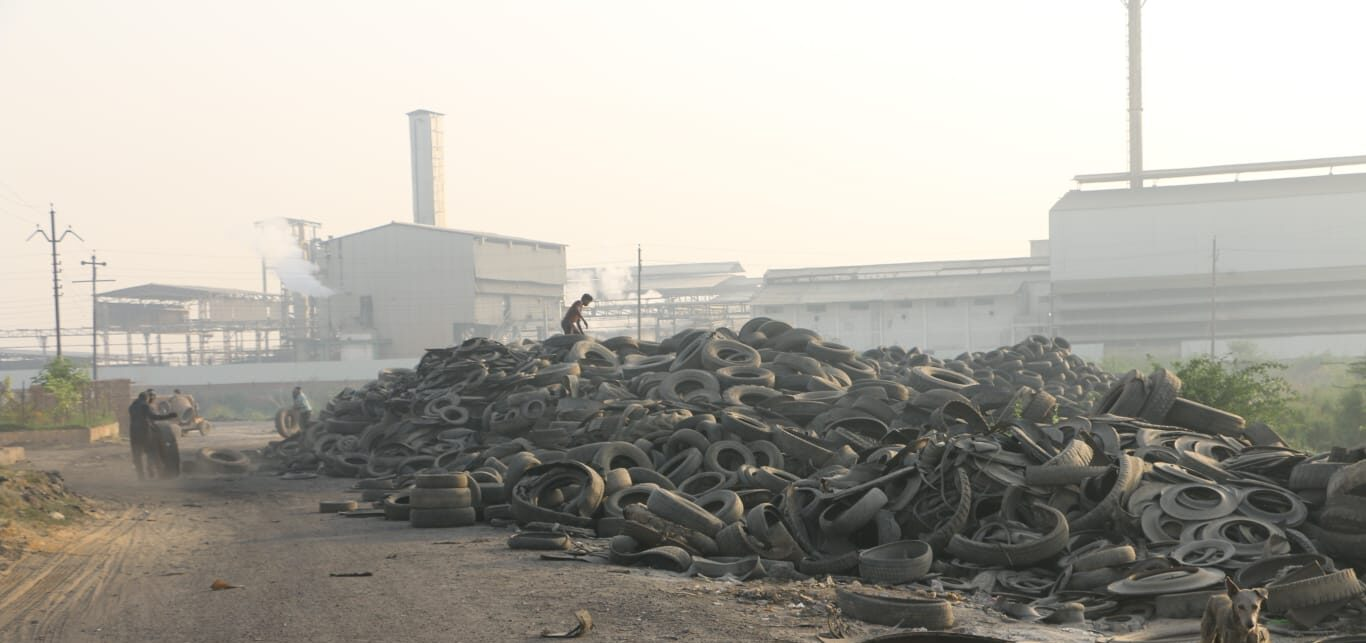
Michelin announced in January 2007 that it would stop manufacturing tyres at its Port Harcourt factory. High production costs and unreliable public electricity were among the reasons reported at the time.
Dunlop stopped production at its Ikeja plant in April 2009. Before the closure, the factory supplied about 15% of Nigeria's tyre needs. Imports supplied the remaining 85%.
Dunlop was dealing with unreliable electricity and gas supplies, rising production costs and difficulty obtaining some raw materials at competitive prices. The company had also invested in radial tyre production shortly before leaving the Nigerian manufacturing market.

Imports were already supplying most of Nigeria's tyre market before Dunlop stopped production. Its exit removed one of the country's remaining large tyre-manufacturing operations.
The vehicle assembly industry that lost momentum
Vehicle assembly began in Nigeria in the early 1960s, when private companies started assembling vehicles from imported components. Government involvement expanded during the 1970s, leading to major plants for passenger cars and trucks.
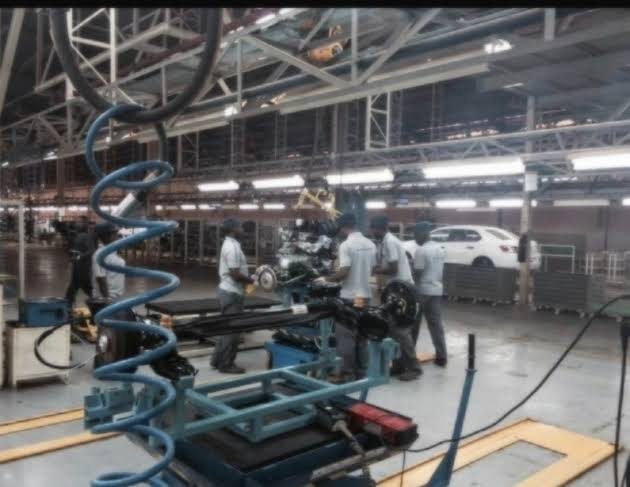
Peugeot Automobile Nigeria began production in Kaduna in March 1975. Its plant had an installed capacity of about 240 cars a day across two shifts. Between 1975 and 1985, it produced more than 342,000 cars. Production later fell sharply, reaching 3,750 vehicles in 1995. By the early 2000s, the plant was operating at about 10% of its capacity. Used-car imports were among the pressures affecting the business.
Other major plants included Volkswagen of Nigeria in Lagos, ANAMMCO in Enugu, Steyr in Bauchi, Leyland in Ibadan and National Trucks Manufacturers in Kano.
The original policy went beyond assembling imported parts. The plants were expected to create demand for Nigerian-made components and gradually increase the share of locally produced parts.
They initially worked with semi-knocked-down and completely knocked-down kits, with imported components being assembled into finished vehicles.
Leyland Busan Motors in Ibadan and Steyr Nigeria in Bauchi were later listed by NADDC as having stopped production. PAN, ANAMMCO and National Trucks Manufacturers were listed as producing.
Most of us know Nigeria as a country that imports a lot of what it uses. What is easier to forget is that some of the factories behind those products were once here. Now we are trying to build that capacity again.