Tesla's AI Ambitions Face Regulatory Showdown in California
Tesla is enhancing its in-car AI capabilities with Grok, promising advanced natural voice control for functions like parking, while simultaneously embroiled in a legal battle with the California DMV. The lawsuit challenges the state's claims of false advertising concerning Autopilot and Full Self-Driving, despite Tesla's prior compliance with renaming demands. This push for AI innovation and a clear legal standing comes as Tesla prepares for the Cybercab rollout.
Tesla is accelerating the integration of artificial intelligence into its vehicles through Grok AI, developed by CEO Elon Musk’s xAI venture, while also confronting a legal dispute with California regulators over its autonomous driving systems.
In recent months, Tesla has introduced Grok-powered features that allow drivers to interact with their vehicles using natural language, enhancing the overall user interface.
Musk has indicated that Grok’s capabilities will expand significantly beyond basic queries, positioning it as a central component of Tesla’s long-term AI strategy and in-car experience.
One of the most anticipated upgrades is Grok-powered verbal control for automated parking.
While Tesla’s 2025 holiday update already improved voice navigation, enabling drivers to add destinations, modify routes, and manage trips using conversational commands, parking functions have remained largely automated.
Musk confirmed that voice-activated parking control is “coming,” a development expected to give drivers more precise control over parking locations and improve upon the existing “Park at Destination” system.
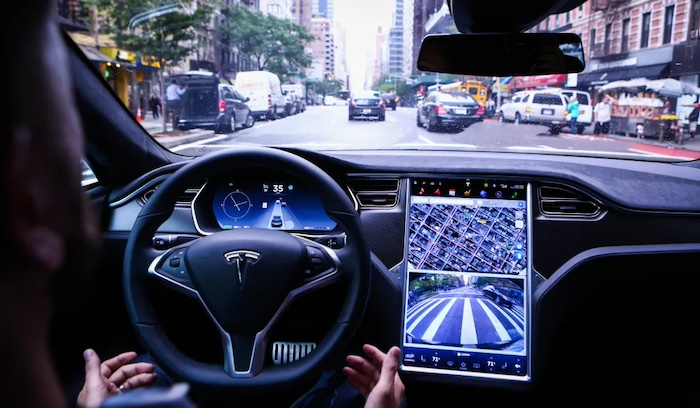
This advancement reflects Tesla’s broader push to create a more intuitive, AI-driven driving experience where users can manage complex vehicle actions through simple voice commands.
At the same time, Tesla is engaged in a legal battle with the California Department of Motor Vehicles over claims that its Autopilot and Full Self-Driving systems were marketed in a misleading manner.
Regulators previously required Tesla to remove “Autopilot” branding from its consumer website and rename “Full Self-Driving” to “Full Self-Driving (Supervised)” to avoid a potential suspension of sales and manufacturing in the state.
Despite complying, Tesla has filed a lawsuit challenging the DMV’s findings, arguing that it provides sufficient disclaimers about system limitations.
The legal action comes as Tesla prepares to launch its fully autonomous Cybercab, highlighting the company’s aggressive push to advance AI-driven mobility while navigating increasing regulatory scrutiny over transparency and safety.