How The Middle east Conflict Is Igniting Africa's Fuel Crisis and Soaring Living Costs
The escalating conflict in the Middle East, particularly involving strikes on Iran, is generating significant economic and geopolitical tremors across Africa. This instability translates to immediate impacts on fuel and food prices, inflationary pressures, and complex policy dilemmas for African governments, highlighting the continent's vulnerability to external energy shocks.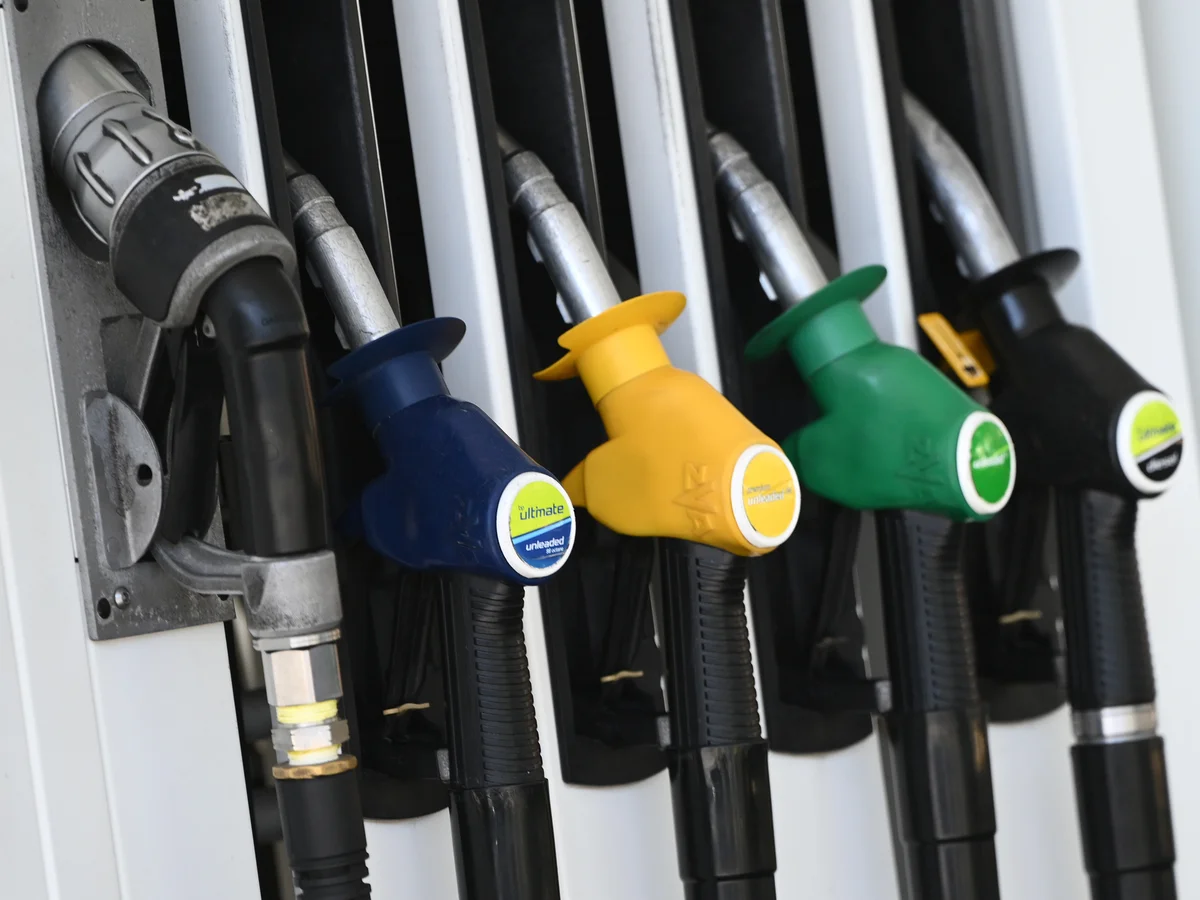
The recent military actions against Iran and the escalating tensions across the Middle East are already sending economic shockwaves toward Africa, translating into higher fuel prices, rising supermarket costs, and mounting budget pressures for many countries on the continent.
Although the realities are actually distant, you might think, the conflict immediately affects global markets because the world’s energy system heavily depends on the security of Persian Gulf shipping routes, particularly the Strait of Hormuz.
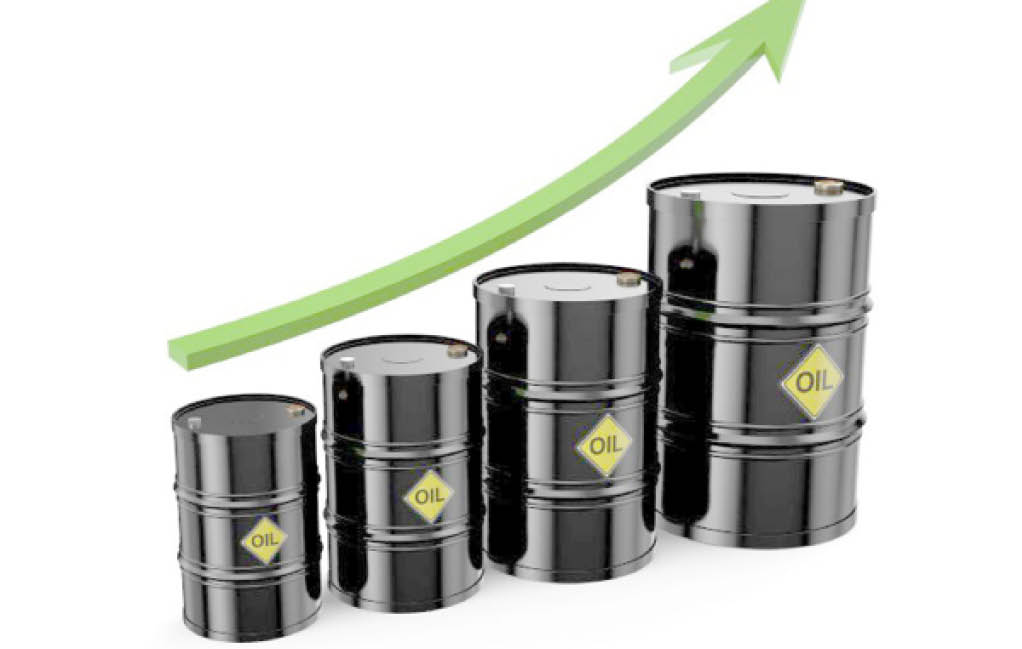
A large portion of global oil exports passes through this narrow corridor, and even the possibility of disruption forces traders to add “risk premiums” to oil prices, pushing crude costs higher.
For most African nations, which rely heavily on imported refined fuel, the consequences are swift and significant.
Rising global oil prices increase the landing cost of fuel, weaken local currencies, and raise pump prices.
The effects ripple across economies: transportation becomes more expensive, food distribution costs climb, and electricity generation, especially in diesel, dependent economies, becomes costlier.
Inflation, which many African central banks have struggled to contain, risks resurfacing as households face higher taxi fares and increased prices for everyday goods.
Governments are often forced into difficult decisions, either absorb the pressure through fuel subsidies that strain public finances or allow price increases that may trigger public discontent.
The impact, however, is uneven across the continent. Oil-producing countries such as Nigeria, Angola, and Libya could see short-term fiscal gains from higher crude prices through increased export revenues and improved foreign reserves.
Yet these advantages are often limited by infrastructure challenges, production quotas, and governance constraints.
Meanwhile, diversified but energy-importing economies like South Africa face a more complicated scenario.
A weakening currency combined with higher global oil prices amplifies domestic fuel costs, which then filter into manufacturing expenses and consumer prices, complicating economic recovery and monetary policy decisions.
Beyond immediate economic pressures, the crisis will also shape Africa’s geopolitical positioning.
Most African states favor stability and multilateral engagement rather than aligning with competing global powers, maintaining relationships with Western nations, Gulf states, and emerging blocs like BRICS.
The prevailing approach is pragmatic neutrality, prioritizing energy security, protecting trade routes, and avoiding entanglement in major power rivalries.
At the same time, the situation exposes a deeper structural vulnerability: Africa’s heavy exposure to external energy shocks.
Expanding domestic refining capacity, strengthening strategic reserves, accelerating renewable energy adoption, and deepening regional trade integration are increasingly essential steps if the continent hopes to shield itself from the economic fallout of distant geopolitical conflicts.