Strabo: The First Geographer and the Power of Mapping the World
Explore the legacy of Strabo, the first geographer, and draw lessons for Africa on mapping its own trajectory. A social commentary on culture, history, and the power of perspective.
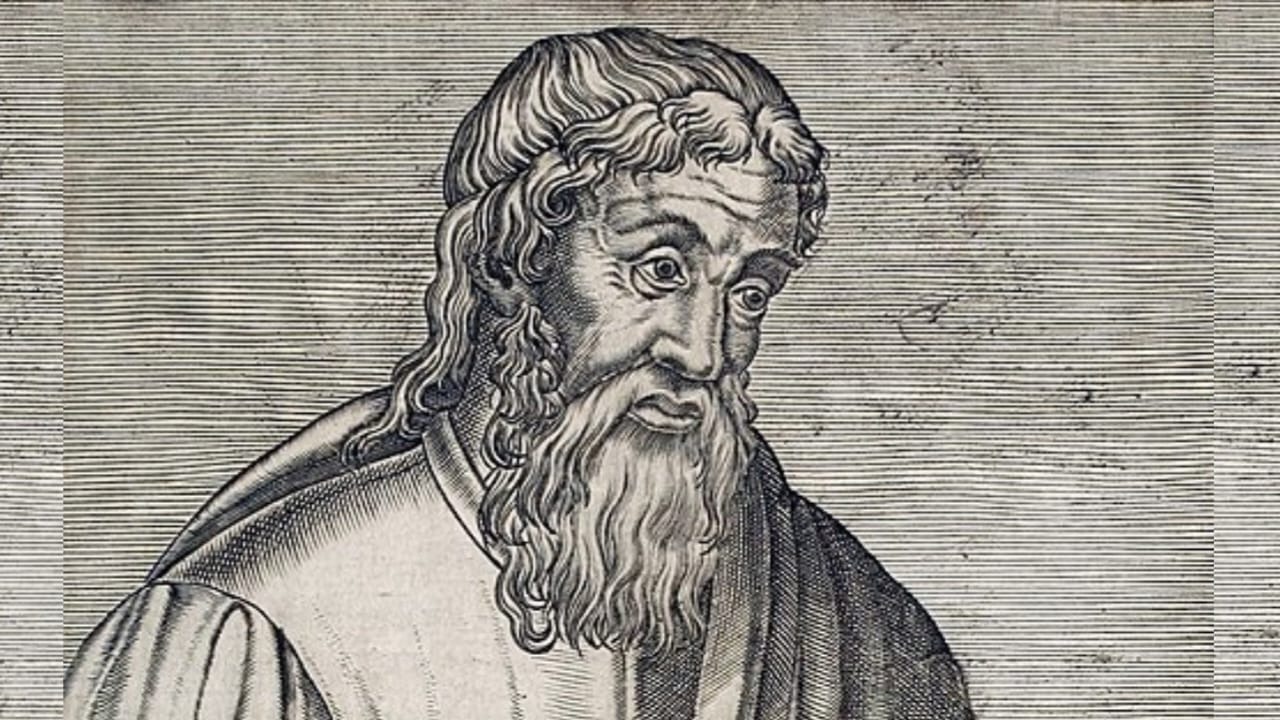
In a world where the history of knowledge is often measured by the pen of its scribes and the maps of its explorers, Strabo of Amasia emerged as an extraordinary figure. Born around 63 BC in the vibrant region of Pontus, modern-day northeastern Turkey, Strabo carved a place for himself not merely as a chronicler of lands, but as the first thinker to attempt to make sense of the known world in a systematic, philosophical, and political way. His Geography, a sprawling 17-book opus written in Greek, is more than a compendium of places; it is a manifesto for understanding power, culture, and human movement through space and time. And as we reflect on Strabo’s vision today, there are lessons for Africa, a continent whose story is often told through the lens of others, yet whose trajectory deserves to be mapped and celebrated from within.
Mapping Beyond Borders: Strabo’s Political Vision
Strabo’s Geography was not written as a casual record of lands and peoples; it was intended as a guide for rulers and leaders. He believed that to govern effectively, one had to understand the world, its resources, its peoples, and its histories. In his words, geography was “pertinent to the activities of leaders” because it set forth the lands, seas, and people over which power could extend.
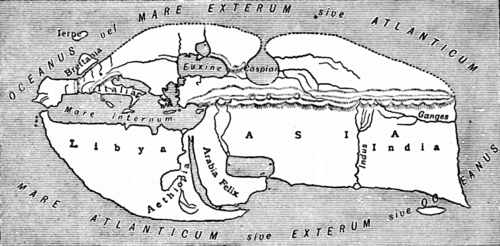
This perspective resonates profoundly when we consider Africa’s ongoing journey toward self-determination and strategic growth. Just as Strabo mapped the Roman Empire and its neighboring territories to understand imperial reach, African nations today must map their own paths in ways that emphasize agency, foresight, and political intelligence. Geography for Strabo was both a lens and a tool: a way to see the present and a blueprint for action. Likewise, modern African thinkers and leaders can harness data, culture, and history as instruments for defining continental trajectories rather than waiting for external actors to dictate narratives.
Strabo’s insistence on political relevance was informed by his upbringing. Born to an elite Greek-speaking family with ties to the Pontic royal court, he witnessed the dramatic fall of his homeland under Roman expansion. His grandfather had once revolted against Roman dominance, leading to a complex legacy of loyalty and subjugation. In this light, Strabo’s Geography was a personal as well as intellectual endeavor, a way to grapple with the forces that had reshaped his world. Similarly, Africa’s modern story is one of navigating complex legacies of colonialism and globalization, requiring both the intellectual rigor and bold vision that Strabo demonstrated.
The Philosophy of Connection: Culture, History, and Identity
What sets Strabo apart from mere chroniclers of territory is his ability to weave culture and history into his geographic account. He was as much a philosopher and historian as he was a geographer, exploring not just the “where” but the “why” of human settlement and migration. Strabo meticulously traced the influence of Greek heroes like Odysseus and Jason, asserting that Greek culture had long reached lands such as Italy and Pontus centuries before Rome’s rise. Through this lens, he subtly redefined identity, linking contemporary power to ancient cultural foundations.
Africa’s own history is rich with such narratives of connection, influence, and resilience, yet these stories are often overshadowed by external accounts of the continent as a passive backdrop. Strabo’s example teaches a vital lesson: to claim one’s trajectory, one must first tell the story from within. The trade networks of West Africa, the intellectual centers of Timbuktu, and the sophisticated kingdoms of the Congo and Ethiopia, all predate and intersect with external histories in ways that demand recognition. Just as Strabo traced Greek influence to illuminate political realities, Africa can leverage its cultural and historical depth to articulate its place in the world.
It is also interesting that Strabo’s approach shows the importance of perspective in mapping the world, we own our world and how we map it. He did not simply catalog locations; he interpreted them and was so sure about them whether right or wrong at that time . His Hellenocentric lens sometimes led to historical inaccuracies, but it also reflected an intentional framing of the world, an early recognition that knowledge is never neutral, but shaped by who writes it and why. Africa’s contemporary historians, journalists, and cultural commentators face a similar challenge: to construct narratives that reflect the continent’s self-perception rather than the perspectives imposed by others.
Lessons in Curiosity: Strabo and the Exploration of the Unknown
Strabo’s Geography was also remarkable for its openness to the unknown. He documented not only what was known but also what was uncertain, leaving gaps for future discovery. This curiosity inspired explorers centuries later, including Christopher Columbus, who saw in Strabo’s work both a vision of the world and spaces yet to be filled.
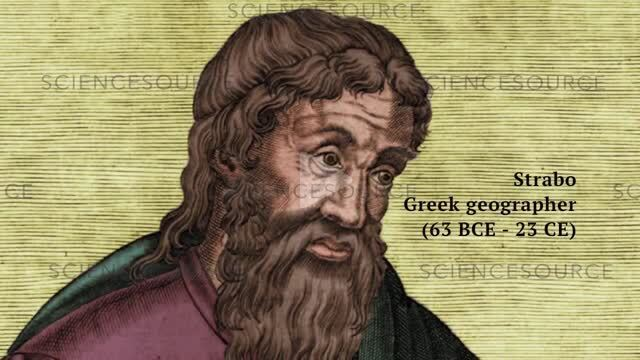
Africa, too, is full of uncharted potential waiting to be explored on multiple fronts, economically, technologically, and culturally. The continent’s youth are its modern cartographers, shaping digital landscapes, creative industries, and entrepreneurial ventures in ways that mirror Strabo’s pioneering spirit. By embracing the unknown and seeking to understand it, Africa can redefine its trajectory, just as Strabo challenged conventional geographic knowledge in his time.
Strabo’s intellectual courage also demonstrates the power of interdisciplinary thinking. He combined geography, history, and political theory into a unified vision. Similarly, Africa’s advancement requires integrating knowledge across disciplines, leveraging science, culture, and governance in concert to chart sustainable pathways for development. Curiosity, rigor, and the willingness to engage with complexity remain as crucial today as they were in Strabo’s age.
Africa as the Cartographer of Its Own Destiny
Perhaps the most compelling lesson from Strabo’s life is the idea of agency: the act of writing the world and defining the narrative. Strabo’s work was not a passive record; it was a claim to understanding and influence. Africa, too, has the opportunity and indeed the responsibility, to be the cartographer of its own destiny.
Celebrating African achievement in science, culture, and political thought is part of this process. The continent’s technological innovators, urban planners, and storytellers are, in effect, modern geographers, mapping not only physical spaces but also intellectual and cultural territories. By embracing this role, Africa ensures that its history and future are told from its own perspective, rather than being filtered through external lenses. Strabo’s example provides both inspiration and a blueprint: knowledge is power, narrative is influence, and mapping the world, literally or figuratively, defines one’s trajectory.
Strabo’s Geography, written over two millennia ago, is more than an ancient artifact; it is a lesson in foresight, intellectual ambition, and cultural assertion. Africa, with its diverse peoples and histories, can similarly assert its path by documenting, understanding, and sharing its story on its own terms. In doing so, the continent ensures that it is no longer just the subject of someone else’s map but the author of its own course.
As we celebrate Strabo as the first geographer, we are reminded that geography is never merely about places. It is about people, power, culture, and vision. Africa’s story, like Strabo’s work, demands curiosity, context, and courage. By claiming the pen and the map, the continent can show the world not only where it is, but where it is headed and it can do so with pride, insight, and authority.