Star Wars Visionary Unlocks Saga's Influence on New Netflix Anime!
Yuki Igarashi's new anime film, "The Ribbon Hero," is a modern adaptation of Osamu Tezuka's "Princess Knight," set to premiere on Netflix on August 8. The movie showcases Princess Saphire's fight against a catastrophic destiny, with Igarashi drawing on his "Star Wars: Visions" experience to reinterpret this classic for contemporary audiences. The film balances nostalgia with accessibility, while establishing the identity of Igarashi's animation studio, Outline.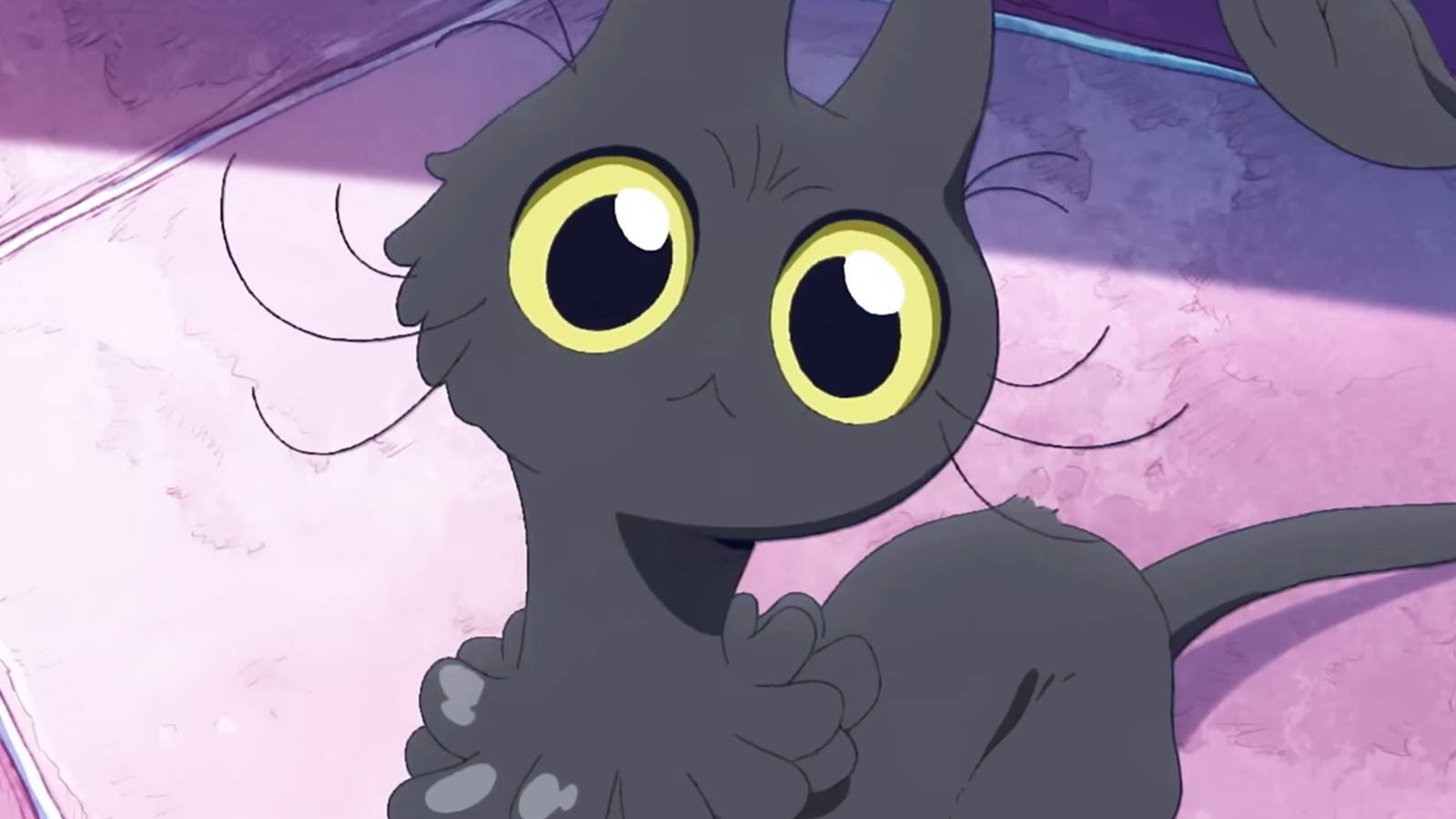
Netflix is soon releasing a brand-new anime film titled "The Ribbon Hero," directed by Yûki Igarashi, known for his work on "Star Wars: Visions." The film draws its inspiration from Osamu Tezuka's iconic 1953 manga, "Princess Knight," an enduring tale of a lone heroine that served as the foundational idea for this modern adaptation. "The Ribbon Hero" recently celebrated an early preview at the Annecy International Animated Film Festival, where it was featured as part of Netflix’s anime showcase, ahead of its worldwide release on Netflix on August 8.
Collider's Steven Weintraub spoke with Igarashi at Annecy, where the director elaborated on the timely reinterpretation of Tezuka's classic. In the film, Princess Saphire (Saya) hails from the kingdom of Shiverland, which faces utter devastation from a catastrophe known as “Nergal.” Rather than succumbing to despair, Saphire defiantly fights various monsters to forge her own destiny, embodying a spirit of grit, brightness, and humor throughout her journey. Igarashi believes this modern-day reinterpretation will deeply resonate with contemporary audiences, given its thematic connections to current events like disasters and the COVID-19 pandemic, all viewed through a fantasy lens.
Igarashi also discussed how his previous experience directing the Season 1 short "Lop & Ochô" for Disney+'s "Star Wars: Visions" profoundly influenced his approach to adapting a long-standing intellectual property like "Princess Knight." He noted that working on "Star Wars," an idea with vast history and influence, taught him about reinterpreting and reimagining established works. He applied this learning directly to "The Ribbon Hero," emphasizing that Tezuka's work, much like "Star Wars," has inspired countless subsequent creations. The goal is to bridge the gap between this influential past and modern media consumption, making the story accessible and impactful for today's viewers.
When asked about the film's dynamic action, a hallmark of his work, Igarashi explained that while there is the spectacle of kaiju versus human battles, the action is deeply expressive of character. Specifically, ribbons scatter during Princess Saphire's attacks, carrying an emotional weight that reflects her internal state. During the interview, Igarashi also shared his favorite Hayao Miyazaki movies, citing "Princess Mononoke" as a childhood favorite and "Nausicaä of the Valley of the Wind" as his current preference.
The development process for "The Ribbon Hero" saw fundamental elements remain consistent from concept to final cut. However, significant course corrections and changes occurred during production, driven primarily by internal discussions and suggestions from the animation team itself, rather than external focus groups or client feedback. This collaborative approach ensured the project evolved authentically from within the studio.
Addressing the balance between appealing to long-time Tezuka fans and attracting new audiences, Igarashi revealed that many animators on the project were initially unfamiliar with "Princess Knight." This provided a unique perspective, allowing the team to approach the film with a similar fresh lens as modern viewers. Extensive research by both Igarashi and the team helped maintain the thematic backbone of the original work while crafting an accessible narrative.
As the first major feature film produced by his animation studio, Outline, "The Ribbon Hero" is also intended to define the studio's identity. Igarashi expressed his personal appreciation for classic works and his desire to pay respect to the legacies that precede him. He hopes this reverence for past creations translates into the studio's identity and resonates with the audience, making them feel the rich tradition from which Outline emerges.