Somalia Faces Global Scrutiny: Crowned World's Most Corrupt Nation in 2025
Somalia has been ranked among the world's most corrupt nations in the 2025 Corruption Perceptions Index, scoring a mere 9 out of 100 and tying with South Sudan for the lowest position. This reflects persistent governance challenges and weak public-sector accountability within the country, highlighting significant concerns over transparency and the enforcement of anti-corruption measures.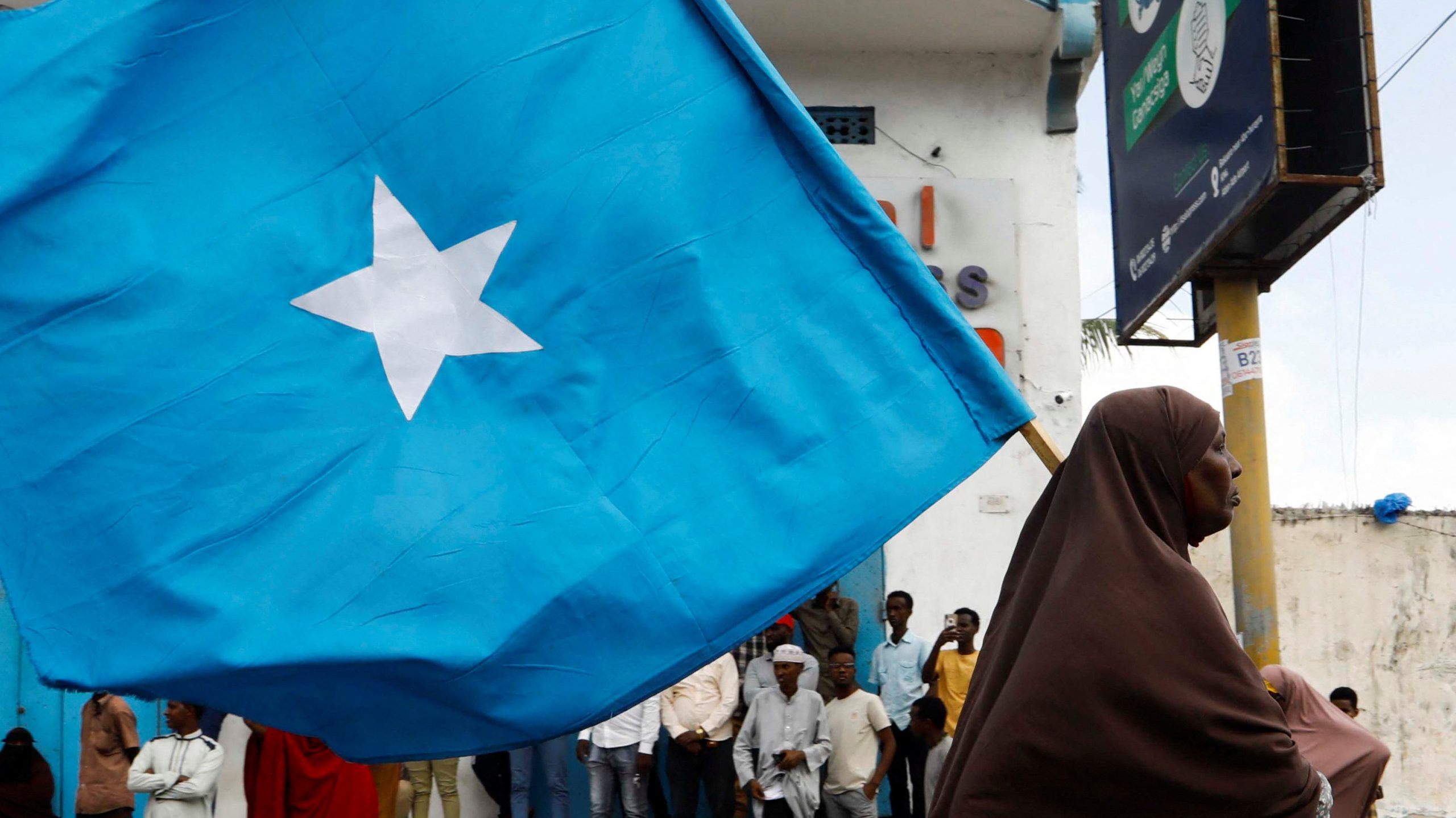
Somalia has again ranked among the world’s most corrupt countries, scoring just 9 out of 100 in the 2025 Corruption Perceptions Index (CPI) released by Transparency International. The score places it at the bottom of the global rankings alongside South Sudan.
The CPI evaluates perceived levels of public-sector corruption across 182 countries and territories, using a scale where 0 represents a highly corrupt environment and 100 indicates a very clean one.
Somalia’s persistently low rating underscores ongoing governance challenges, weak public-sector accountability, and fragile institutional structures.
Transparency International’s 2025 report also highlighted a troubling global trend, with the average CPI score dropping to 42 — the lowest in more than a decade.
More than two-thirds of the countries assessed scored below 50, reflecting what the organization described as “widespread and entrenched corruption” worldwide.

The report warned that corruption remains a critical threat to stability, development, and democracy, adding that declining accountability and shrinking civic space are undermining anti-corruption efforts globally.
Sub-Saharan Africa continues to rank as the lowest-scoring region, burdened by weak institutions, political instability, and limited enforcement of anti-corruption laws.
For Somalia, the ranking renews scrutiny over systemic graft, persistent allegations of misuse of public resources, lack of transparency in government spending, and weak enforcement of accountability mechanisms.
Analysts caution that such a low CPI score can deter foreign investment, weaken donor confidence, and erode public trust in state institutions.
The index, compiled from 13 external data sources including the World Bank and the World Economic Forum, measures perceptions of corruption rather than direct evidence of specific offenses, but it remains a widely cited benchmark of governance standards worldwide.