Sole Stories: Top Indigenous Shoe Brands in Nigeria
These indigenous shoe brands are not only producing high-quality footwear that rivals international labels but are also deeply rooted in cultural pride, personal passion, and social impact.
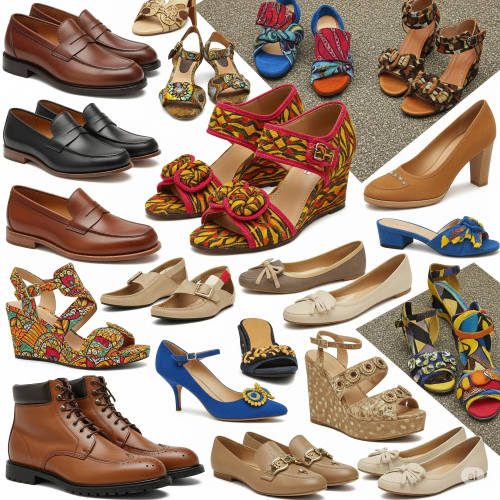
In the vibrant fashion landscape of Nigeria, a new generation of entrepreneurs is stepping confidently into the global market—one pair of shoes at a time. These indigenous shoe brands are not only producing high-quality footwear that rivals international labels but are also deeply rooted in cultural pride, personal passion, and social impact. Behind each label is a founder whose story reflects resilience, creativity, and a drive to solve real-world problems, from poor access to quality shoes to the preservation of traditional crafts.
This piece explores five exceptional Nigerian shoe brands—each a testament to the power of purpose-driven design and local ingenuity.
313 Eko
313 Eko, established in 2010, is a testament to Nigerian craftsmanship and innovation in the footwear industry. Founded by Bamigbola Taiye, the brand has garnered recognition for its commitment to quality and design. Taiye's journey into shoemaking was driven by a passion to create footwear that resonates with Nigerian culture and meets international standards. Under his leadership, 313 Eko has become synonymous with luxury and durability, offering a range of products that cater to discerning customers.

Shoespeed Interglobal Services
Shoespeed Interglobal Services, founded by Abiodun Folawiyo, emerged from a desire to address the scarcity of quality footwear in Nigeria. With a background in accounting from the University of Lagos, Folawiyo transitioned into shoemaking over 15 years ago. His commitment to excellence led him to train over 500 shoemakers, aiming to elevate the industry and provide sustainable employment opportunities. Shoespeed's dedication to quality and skill development has positioned it as a key player in Nigeria's footwear sector.

Keexs
Keexs was born out of Babajide Ipaye's personal struggle to find stylish and appropriately sized footwear. A microbiology graduate from the University of Lagos, Ipaye faced challenges due to his large shoe size. Determined to find a solution, he traveled to the Netherlands to study sneaker design and manufacturing. In 2015, he co-founded Keexs, aiming to provide fashionable and comfortable footwear for individuals facing similar challenges. Through crowdfunding, Ipaye launched the brand, which has since gained international recognition for its innovative designs and social impact initiatives.

Ethnik Afrika
Ethnik Afrika, founded in 2015 by Tunde Owolabi and Najeeba Abdulmajeed, is a brand that celebrates African heritage through fashion. Owolabi's journey began with a deep interest in African cultures, leading him to explore the traditional Yoruba textile, Aso-oke. His research and interactions with weavers in Iseyin, Oyo State, culminated in the establishment of Ethnik Afrika. The brand focuses on reimagining Aso-oke, preserving traditional weaving techniques, and integrating them into modern designs. Ethnik Afrika's commitment to craftsmanship and cultural preservation has made it a significant player in the African fashion industry.


Shekudo
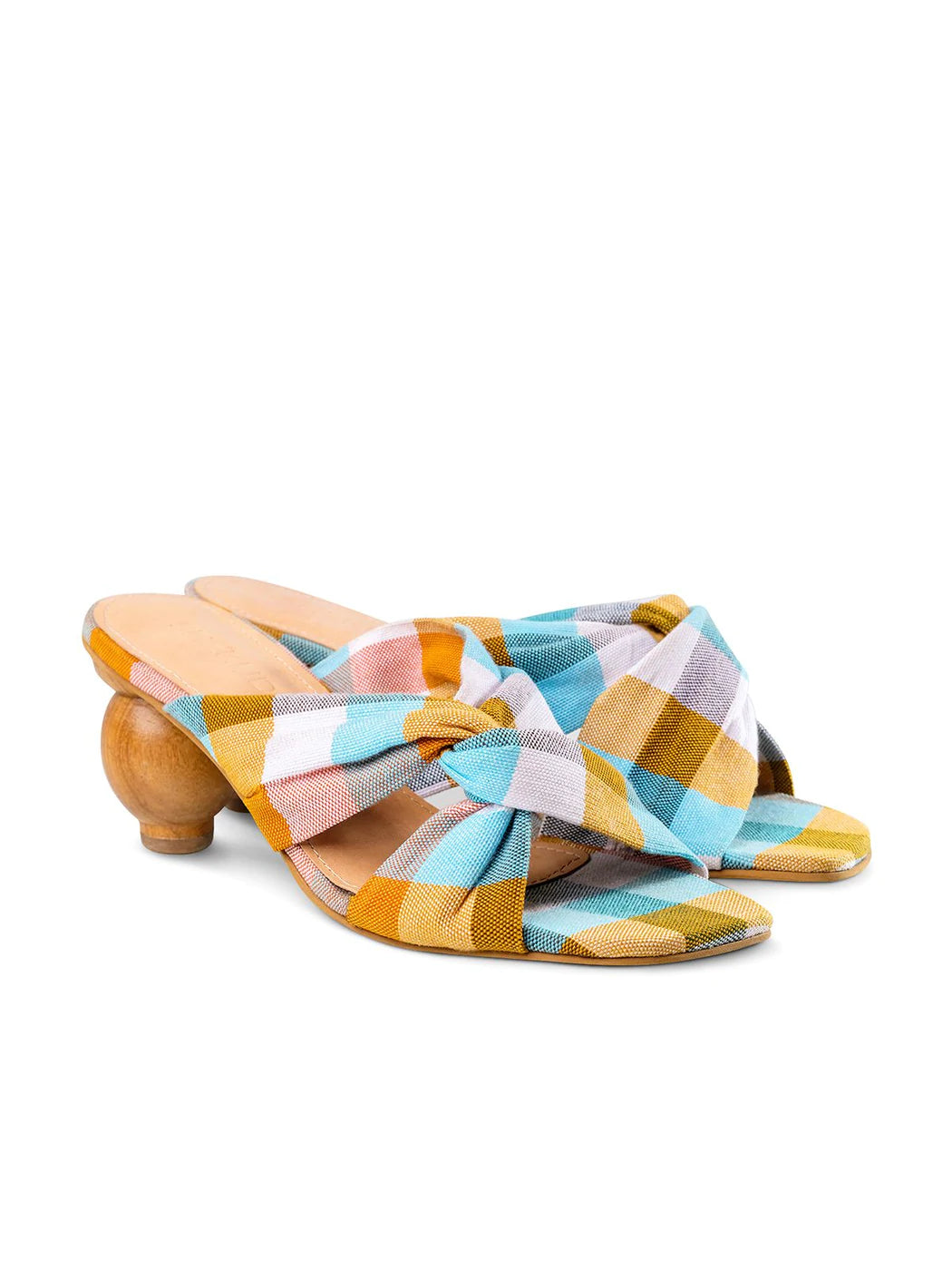
Shekudo, founded by Akudo Iheakanwa, is a brand that merges contemporary design with traditional African craftsmanship. After relocating from Sydney to Lagos in 2017, Iheakanwa rebranded Shekudo to focus on footwear and accessories. The brand collaborates with local artisans, utilizing traditional fabrics like Aso-oke and Akwete cloth to create unique, handcrafted products. Shekudo's commitment to sustainability and empowerment has garnered international attention, with partnerships with retailers such as Nordstrom and Zalando.

Conclusion
These five brands represent more than just fashion—they are blueprints for homegrown success, cultural preservation, and industry transformation. Their founders have drawn from personal challenges, national identity, and a vision for a better future to create footwear that is not only worn but felt. As Nigeria continues to assert itself on the global creative stage, these entrepreneurs are proving that walking in one’s own shoes can be both a literal and symbolic act of empowerment.