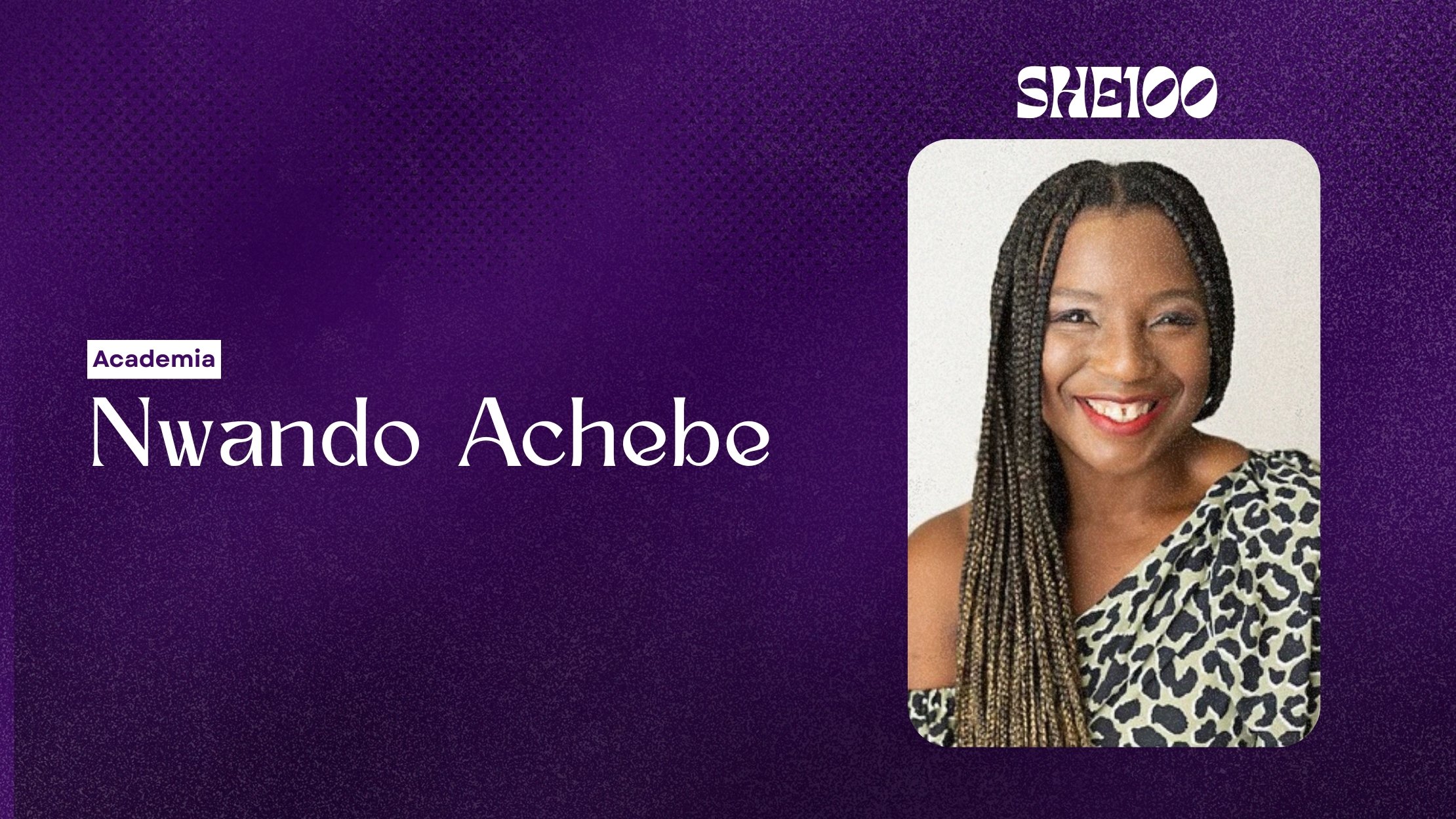
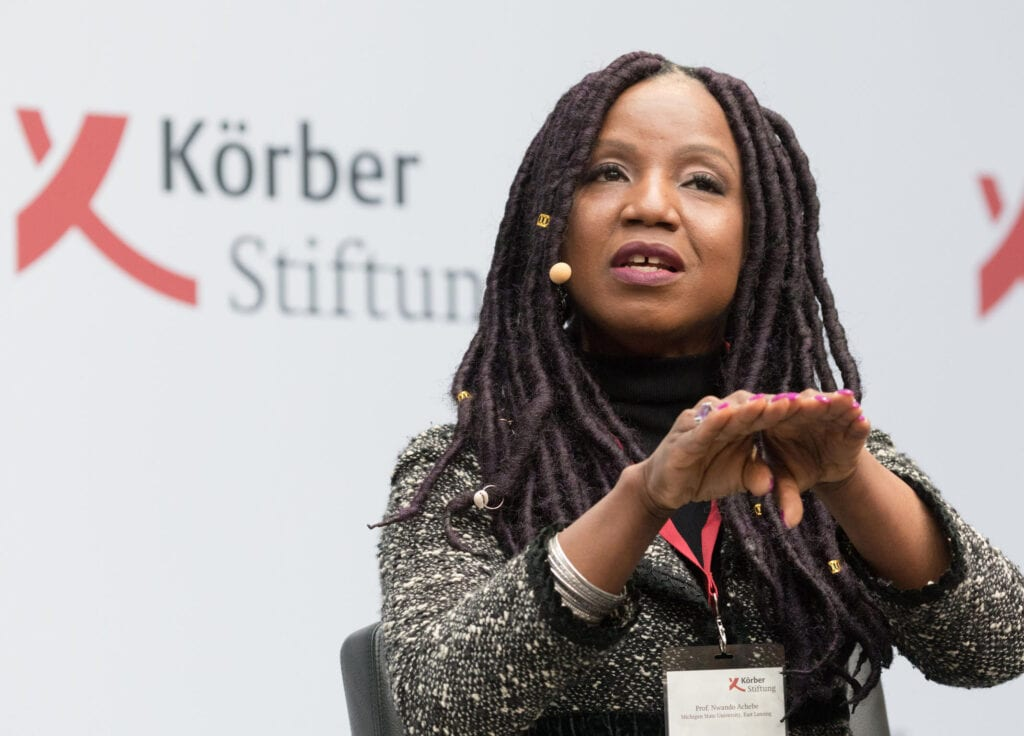
SHE100: Nwando Achebe, The Historian Giving African Women Their Place in History
A compelling profile of Nwando Achebe and her lifelong mission to uncover the power, leadership, and overlooked contributions of African women throughout history.
There is a question that has quietly driven Nwando Achebe's entire career: Where are the women?
Not just in the present, but in the past, in our history books, in the records of empires built, wars fought and ancient kingdoms governed.
Because if you read most accounts of African history, women barely appear. And when they do, it is usually not well hyped compared to their male counterparts.
It is more like they are footnotes and passive bystanders to events that shaped their world just as much as anyone else's.
Achebe decided early on that she was not going to let that stand.
Born Into Storytelling
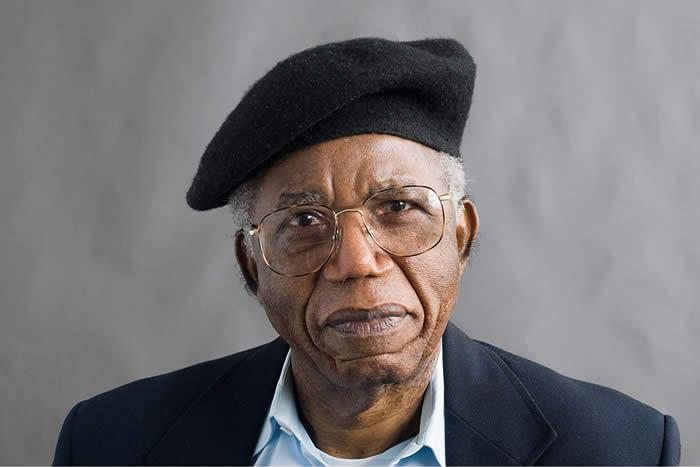
Born on March 7, 1970 in Enugu, South Eastern Nigeria, Nwando Achebe grew up in one of Africa's most celebrated literary households.
Her father is Chinua Achebe, the legendary literary powerhouse, a man who spent his life insisting that Africa's story deserved to be told by its own people and on its own terms.
Her mother, Christie Chinwe Achebe, is a professor of education.
Between the two of them, young Nwando grew up understanding something most people take decades to grasp: the stories we tell and, crucially, the ones we don't, shape how we understand the world.
That understanding became the engine of her life's work.
The Frustration That Started Everything
When Achebe began her graduate studies in African history, she found herself increasingly frustrated by what she was reading. African women, in most historical literature, were flattened into the same stereotypes: passive, powerless, uninteresting, additions.
She could not see herself or the women she knew in those histories. So rather than accept that version of the past, she went looking for a different one.
What she found was extraordinary.
Rewriting the Record
Her first book, Farmers, Traders, Warriors, and Kings: Female Power and Authority in Northern Igboland, 1900–1960, published in 2005, challenged a widely held assumption head-on.
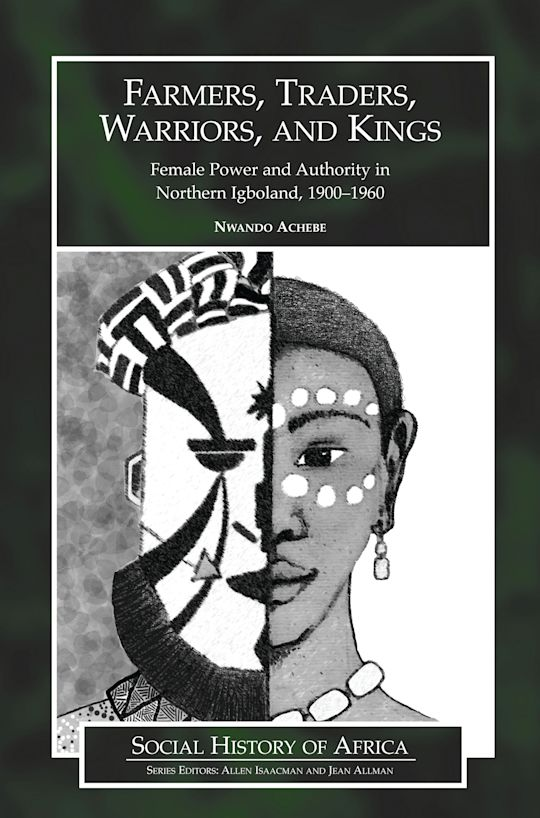
Through more than 200 oral interviews and deep archival research, Achebe documented how women in Igboland had long held political, economic and spiritual power as market regulators, titled warriors, and community leaders well before and throughout colonial rule.
Now, that was not based on speculation. The evidence was there and it fundamentally reframed the conversation about gender and authority in African history.
But it was her second book that became a phenomenon.
The Female King of Colonial Nigeria: Ahebi Ugbabe, published by Indiana University Press in 2011, tells the almost unbelievable true story of a woman who became the only female warrant chief and king in all of colonial Nigeria and arguably in British Africa.
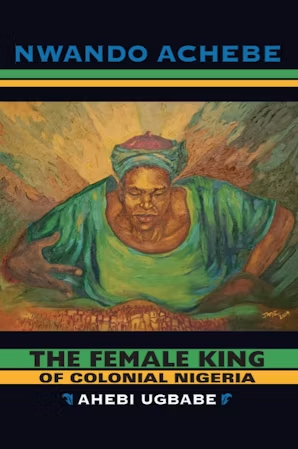
Ahebi Ugbabewas exiled from her community as a young girl, survived on her own terms, navigated colonial power structures with breathtaking shrewdness and eventually rose to hold official authority in a system designed entirely for men.
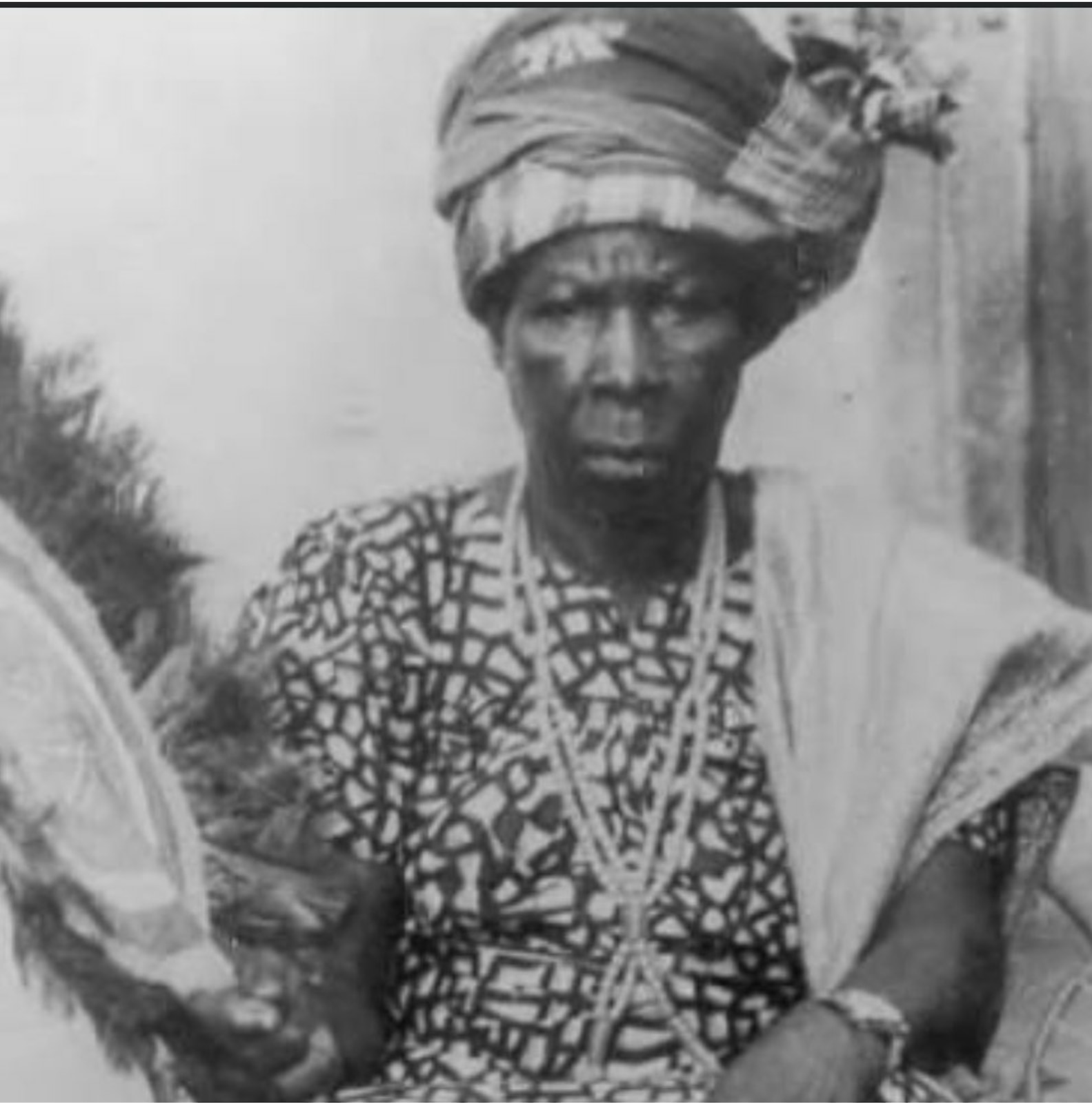

Achebe spent fifteen years reconstructing her world, combing through court transcripts, petitions and survivor testimonies to bring her back to life.
The book won three international awards: the Aidoo-Snyder Book Award, the Barbara "Penny" Kanner Book Award, and the Gita Chaudhuri Book Award.
It was a legendary success.
A Career Built on Impact
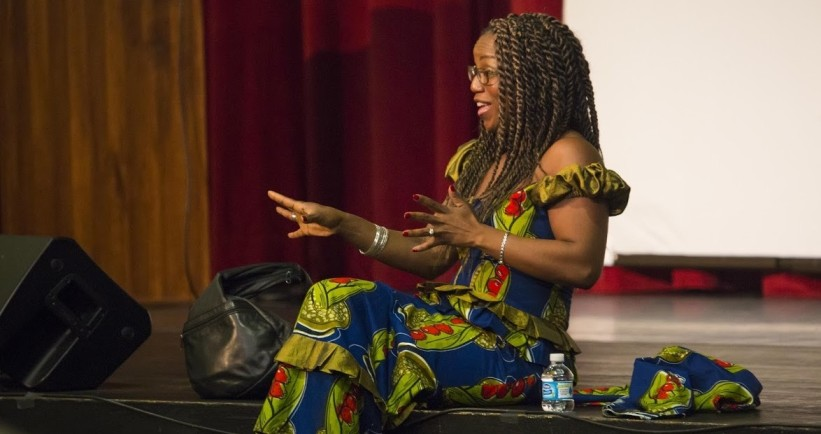
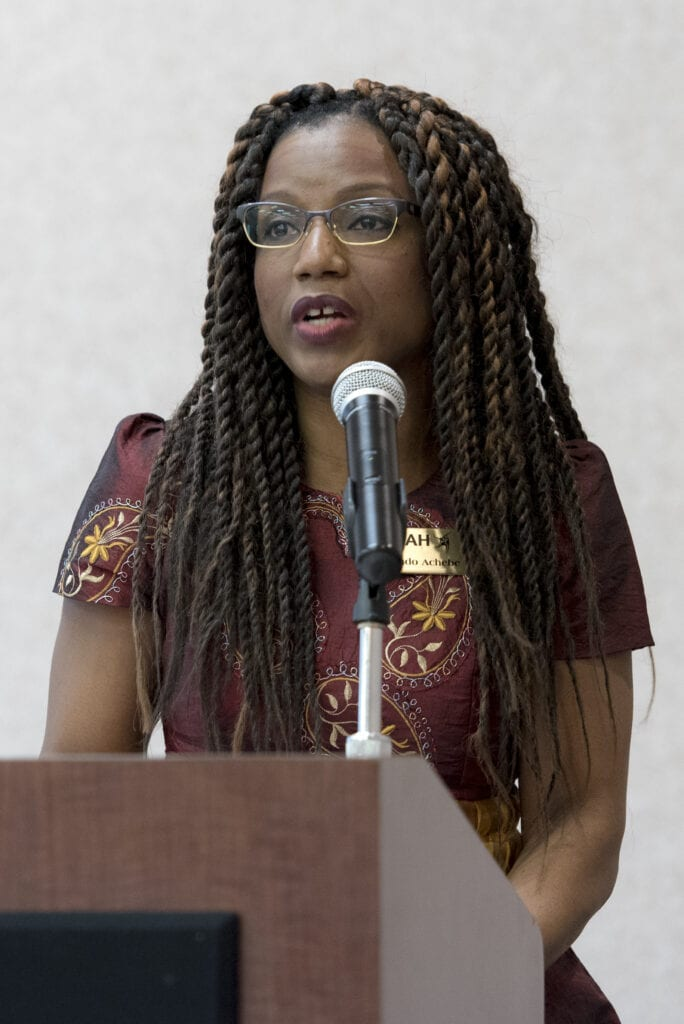
Today, Achebe is a University Distinguished Professor and the Jack and Margaret Sweet Endowed Professor of History at Michigan State University, where she also serves as Associate Dean in the College of Social Science.
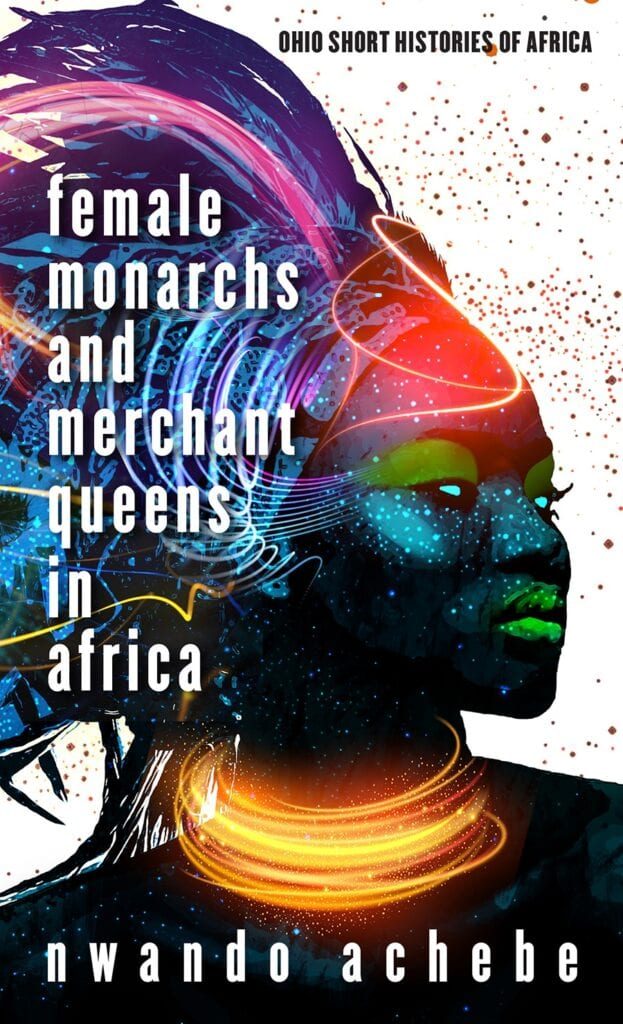
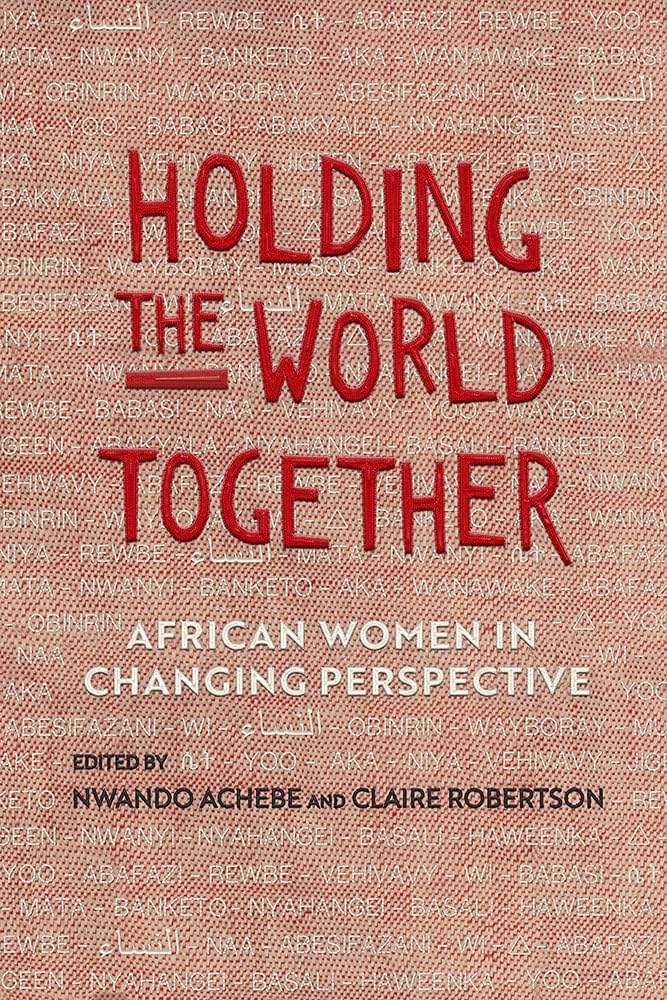
She has authored six books in total, including Female Monarchs and Merchant Queens in Africa (2020) and Holding the World Together: African Women in Changing Perspective (2019).
She is the founding editor-in-chief of the Journal of West African History and an elected member of the Nigerian Academy of Letters, the country's highest literary recognition body.
Her reach extends well beyond academia. Achebe has served as an expert consultant for The History Channel's remake of Roots and has been featured in documentaries broadcast across three continents.
She was named one of Nigeria's 100 Most Inspiring Women in 2021 and received Michigan State University's highest academic honour, the William J. Beal Outstanding Faculty Award, the same year.
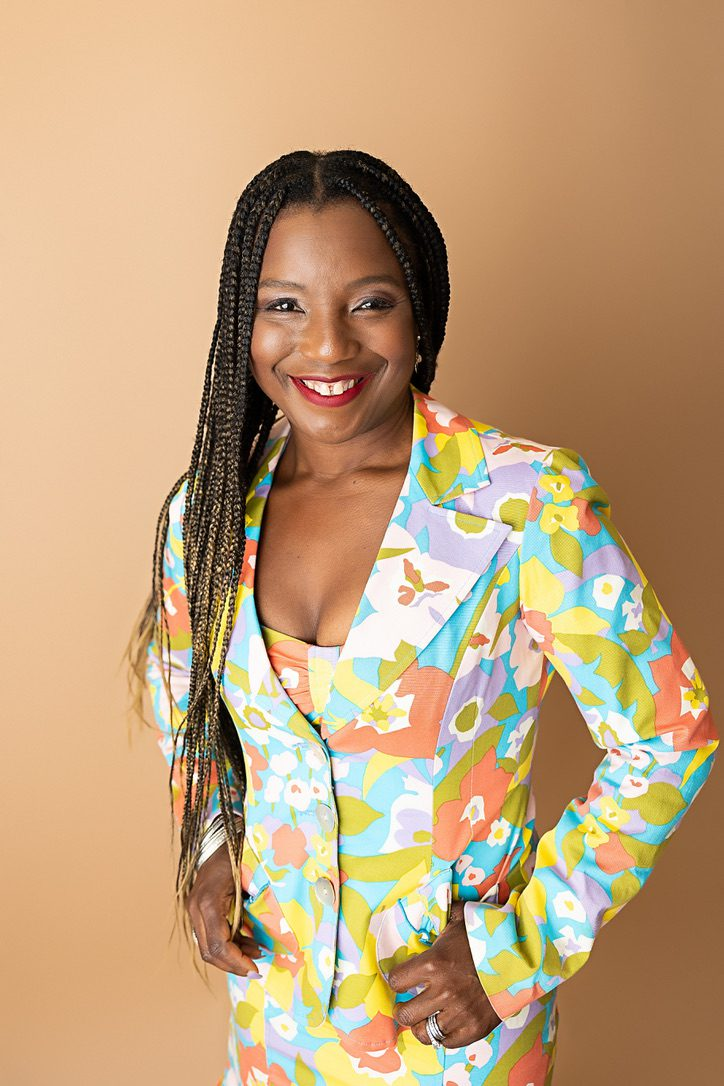
She is also co-director of the Christie and Chinua Achebe Foundation, carrying her family's legacy of intellectual commitment into the next generation.
Still Paying Attention
What makes Nwando Achebe remarkable is not just the volume of what she has produced, but the purpose behind all of it.
Every book, every lecture, every interview circles back to the same insistence: African women have always been here, always been powerful, always been central to history. The world just has not been paying attention.
Nwando Achebe is making sure it does.