SHE100: Maria Ramos, A Woman that Leads ABSA Group to Pan-African Giant
Maria Ramos led Absa Group from 2009–2019, driving expansion, innovation, and its successful separation from Barclays.
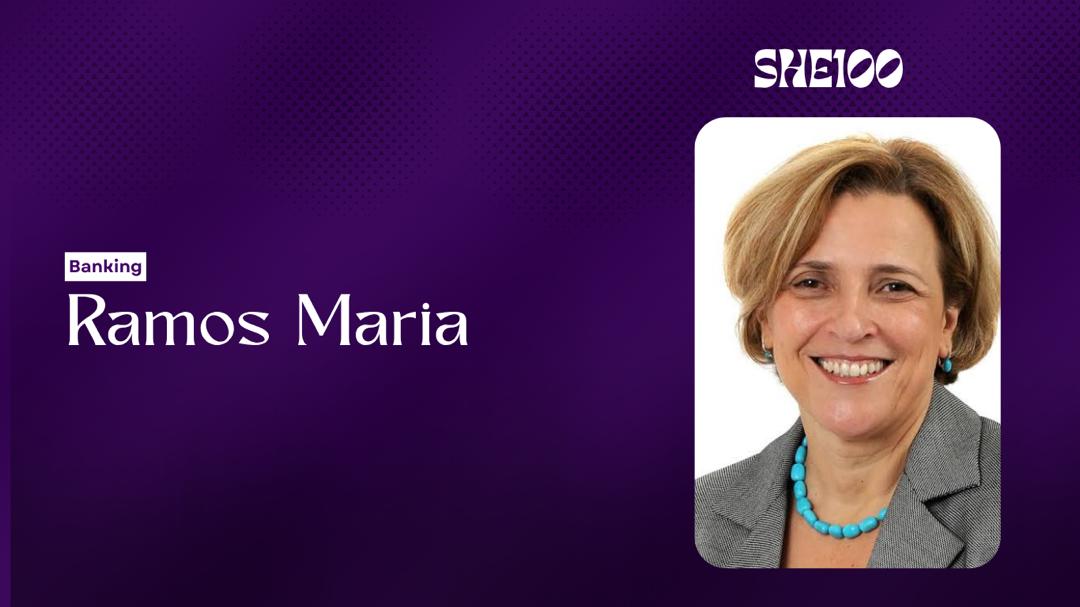
In Africa’s financial and economic landscape, Maria Ramos stands as one of the most influential and respected leaders.
Because of her sharp economic insight and decisive leadership style, she has played a major role in shaping both the banking industry and public finance systems in South Africa.
What makes Ramos particularly remarkable is her ability to move seamlessly between government and the corporate world, excelling in both.
In public service, she was deeply involved in managing national finances and developing policies that supported economic stability.
Her work helped strengthen financial discipline and build confidence in South Africa’s economic management during critical periods of change.
Her transition into banking marked another defining chapter of her career.
As a top executive, she brought the same level of discipline and strategic thinking into the private sector, leading large financial institutions through transformation and growth.
She became known for making bold, forward-thinking decisions, especially during times of uncertainty, helping organizations adapt and remain competitive in a rapidly changing global economy.
Beyond her professional achievements, Ramos represents a new generation of African leadership, one that combines global expertise with local impact.
She has consistently demonstrated that strong leadership in finance is not just about numbers, but about vision, responsibility, and long-term development.
Her journey is a powerful example of how one individual can influence both national policy and corporate success, leaving a lasting mark on the financial landscape of Africa.
Early Life and Education
Maria was born on 22 February, 1959, in Lisbon, Portugal. She was the eldest of four daughters and her parents emigrated to Mozambique and then, when Ramos was six years old, toVereeniging, South Africa.
She built a strong intellectual foundation that would later shape her influential career in economics, public policy, and banking.
She studied at the University of the Witwatersrand, one of South Africa’s leading academic institutions, where she earned a degree in Economics.
During her time at university, Ramos developed a deep interest in how economies function, particularly how government policies, financial systems, and global markets interact.
Her studies exposed her to key areas such as macroeconomics, fiscal policy, and economic development, helping her understand the broader forces that drive national and global economies.
Her academic journey was not just about theory; it helped her build strong analytical and critical thinking skills, enabling her to interpret complex data, assess economic trends, and make informed decisions.
These skills later became essential in her roles, where she was responsible for managing large-scale financial systems and contributing to national economic strategies.

The knowledge and discipline she gained from her education gave her the confidence to take on high-level responsibilities in both government and the corporate world.
It also shaped her ability to approach challenges with a structured and strategic mindset, qualities that would define her leadership style throughout her career.
Career in Government and Public Finance
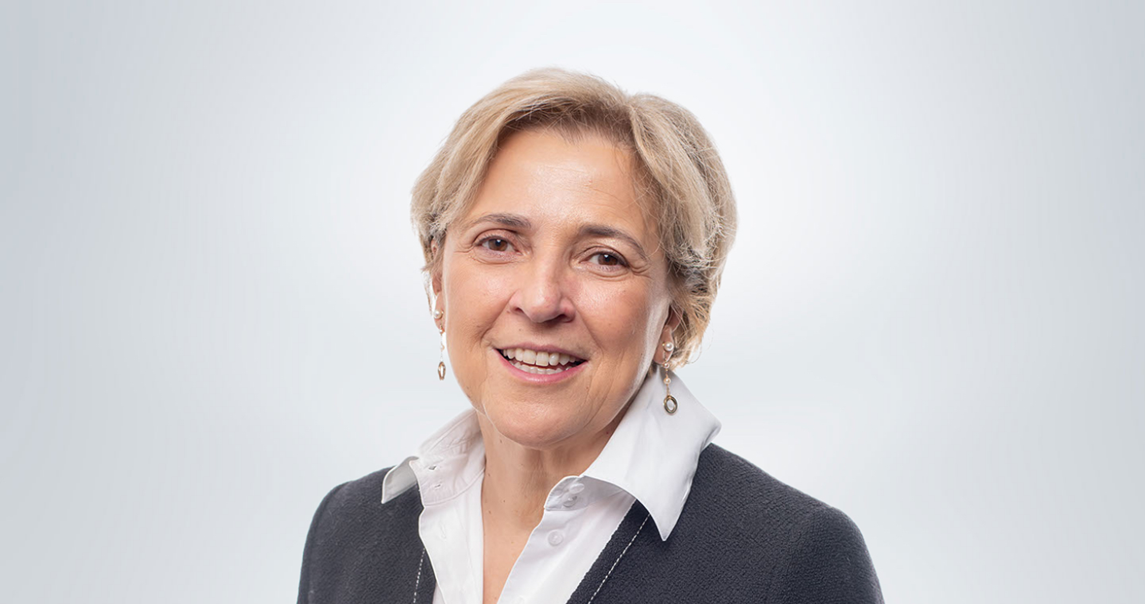
Maria Ramos began her influential career in public service, where she quickly gained recognition for her deep understanding of economic policy and financial management.
She served as the Director-General of the National Treasury of South Africa from 1996 to 2003, a period that was crucial for the country’s economic transformation after the end of apartheid.
In this role, Ramos worked closely with senior government officials, including the Minister of Finance, to manage the country’s finances and guide its economic direction.
She played a central role in developing fiscal policies, national budgets, and economic reforms aimed at stabilizing and strengthening South Africa’s economy during a time of significant change.
Her leadership focused on promoting financial discipline and accountability, ensuring that government spending was controlled and aligned with national priorities.
She also helped introduce systems that improved transparency and efficiency in public finance, building trust in South Africa’s economic management both locally and internationally.
During her tenure, Ramos contributed to policies that supported economic growth, reduced debt levels, and improved investor confidence.
Her work helped lay a strong financial foundation for the country, making the National Treasury one of the most respected institutions in South Africa.
This period of her career was not only impactful for the country but also for her personal growth as a leader.
It established her as a credible and respected economic strategist, paving the way for her successful transition into the banking sector, where she would later apply her public finance expertise on a larger, corporate scale.
Leadership at Absa Group
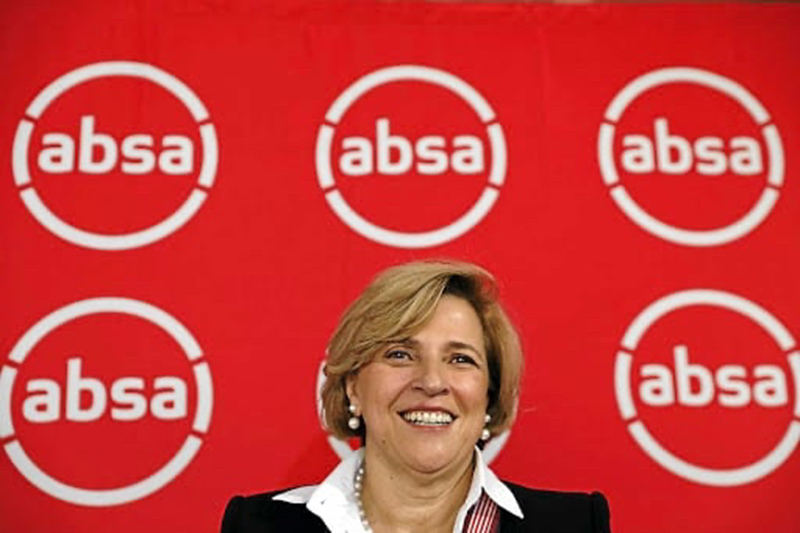
Maria Ramos later moved into the corporate world, where she became the Chief Executive Officer of Absa Group (formerly part of Barclays Africa).
She served as CEO from 2009 to 2019, leading the bank through a period of transformation and growth.
Under her leadership, Absa expanded its presence across Africa and strengthened its position as one of the continent’s leading financial institutions.
She played a key role in rebranding the bank and separating it from Barclays, guiding the organization to operate independently while maintaining strong performance.
Ramos focused on innovation, customer service, and sustainable growth, ensuring the bank adapted to changes in the financial industry.
Her leadership helped modernize banking operations and improve the bank’s competitiveness in both local and international markets.
Conclusion
Maria Ramos’s journey from an economist in government to a leading figure in African banking highlights her versatility and determination.
Her impact spans public finance and corporate leadership, where she has consistently demonstrated strong decision-making and strategic vision.
As one of Africa’s most influential women in finance, she continues to inspire future leaders with her story of resilience, expertise, and excellence.
Her legacy shows that strong leadership and deep knowledge can shape not just institutions, but entire economies.