SEC Tightens Reins: Landmark Rules Proposed for Crypto Custody
The U.S. SEC has proposed new rules to clarify how investment advisers and regulated funds can hold crypto assets, even allowing them to self-custody under certain conditions. This regulatory push comes despite the blocking of the Clarity Act, with SEC Chairman Paul S. Atkins emphasizing the need for clear frameworks in the evolving multi-trillion-dollar crypto market.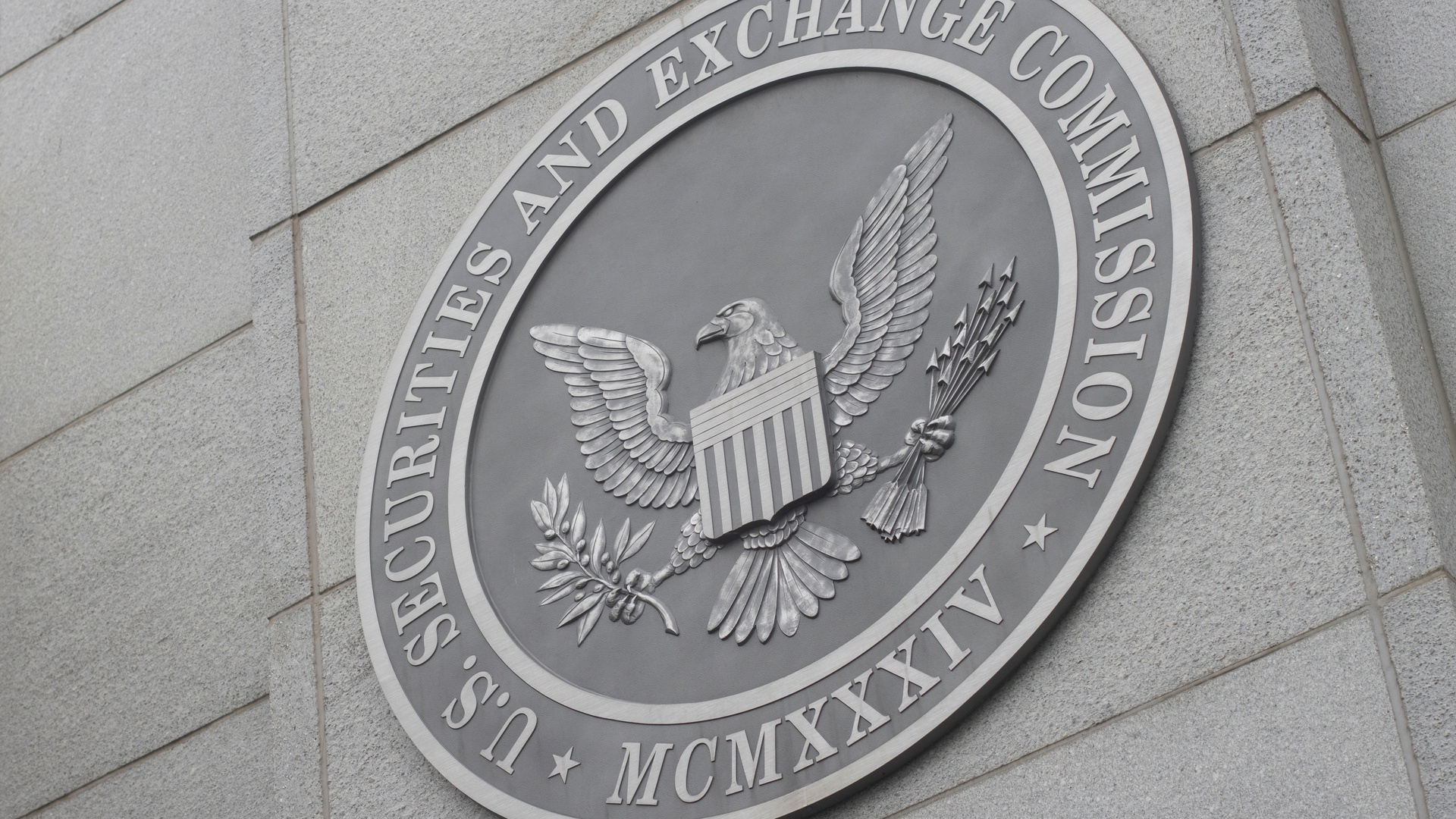
The U.S. Securities and Exchange Commission (SEC) has unveiled new proposed rules aimed at updating how investment advisers and regulated funds manage and hold client assets, with a significant emphasis on crypto assets. This initiative pushes forward regulatory efforts in the digital asset space, even after lawmakers recently blocked the "Clarity Act."
In a statement released on Thursday, the Wall Street watchdog indicated that under the new proposals, investment advisers and funds, operating through their advisers, would be permitted to directly hold client crypto assets. However, this allowance comes with a crucial condition: it is only permissible if no other "permitted custodian" is readily available to hold such assets. This marks a pivotal step towards integrating digital assets into existing regulatory frameworks.
SEC Chairman Paul S. Atkins underscored the urgency of these new rules, noting the immense growth of the crypto asset market. "Since the advent of Bitcoin in 2008, the crypto asset market has grown from a niche curiosity into a multi-trillion-dollar asset class to which investors actively seek exposure," Atkins stated. He further acknowledged that current rules and regulations have not adequately kept pace with this rapid evolution, creating an environment of uncertainty for investors and advisers alike.
The proposed framework specifically aims to provide a clear and compliant pathway for the custody of crypto assets, a stark contrast to the previous "grey of uncertainty" stemming from custody rules designed for a pre-digital asset era. This regulatory clarity is expected to benefit investment advisers and funds seeking to engage with the crypto market in a compliant manner.
Further details within the proposed rules include provisions that records maintained on a blockchain could potentially satisfy compliance requirements, provided certain conditions are met. Additionally, the SEC plans to allow state trust companies to act as custodians for both client and regulated fund crypto assets, also subject to specific conditions. These additions broaden the scope of permissible custodians and compliance methods for digital assets.
The push for these new regulations comes despite the failure of the long-awaited Clarity Act, which sought to establish a framework for classifying digital assets as securities, commodities, or payment stablecoins. Lawmakers did not garner enough votes to advance this legislation. Nevertheless, regulators had signaled prior to the vote that they intended to proceed with regulating the crypto industry regardless of the Act's passage. A proposal from the SEC had already been sent to the White House before the vote, specifically aiming to clarify the custody framework for crypto assets for investment advisers and companies.
Chairman Atkins, known for his pro-crypto stance, reiterated his commitment to making the U.S. the "crypto capital of the world," irrespective of the landmark Clarity Act's legislative outcome. This underscores the SEC's continued determination to establish a robust regulatory environment for digital assets.