Rwanda Unleashes eKash: Instant Payments Revolution Sweeps the Nation!
African digital transformation is accelerating, marked by Niger's regulatory crackdown on poor telecom service, Amazon Leo's partnership with Herotel to bring satellite internet to South African rural areas, and Rwanda's launch of the eKash instant payments platform. Significant funding for IHS Towers and MTN's strategic acquisition of its towers also highlight critical investments in the continent's telecom infrastructure, driving 4G and 5G expansion.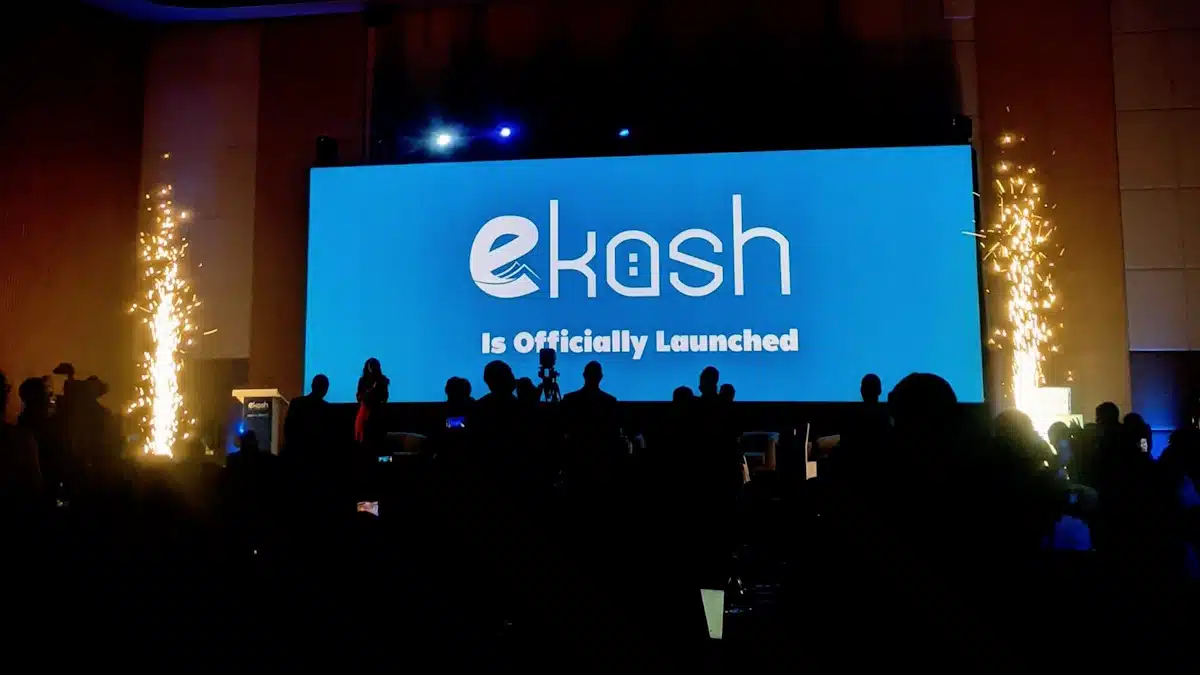
The African digital landscape is experiencing dynamic shifts, marked by heightened regulatory scrutiny in telecommunications, innovative approaches to rural internet connectivity, advancements in digital payment systems, and significant investments in core infrastructure. These developments underscore the continent's commitment to enhancing digital inclusion and service quality for its rapidly growing population.
In Niger, telecom operators are facing a new wave of regulatory pressure. The country’s telecom regulator, ARCEP, has imposed fines on Airtel Niger, Moov Africa Niger, Niger Telecoms, and Zamani Telecom. These penalties follow thorough inspections in Niamey which revealed that the operators failed to meet the minimum quality-of-service (QoS) standards mandated by their licenses. ARCEP’s action is a deliberate move to compel operators to improve crucial services such as call quality, internet speeds, and network reliability, addressing persistent subscriber complaints about dropped calls and poor connectivity. This regulatory push is part of a broader trend across Africa, where governments are increasingly demanding measurable improvements in customer experience and are willing to impose financial sanctions on companies that do not meet their obligations. Despite challenges like power shortages, security concerns, and the high cost of network expansion into remote areas, regulators maintain that continuous investment is essential to keep pace with rising demand for mobile internet driven by increased smartphone adoption.
Meanwhile, South Africa is set to benefit from a significant boost in rural internet access through a groundbreaking partnership between Amazon and local provider Herotel. Amazon Leo, the low-Earth orbit (LEO) satellite broadband service, formerly known as Project Kuiper, is slated for a commercial launch in South Africa in 2027. Branded "evry," this service will specifically target households and small businesses in rural and underserved communities where traditional fibre and wireless networks are either difficult or too expensive to deploy. This collaboration marks Amazon Leo's inaugural commercial partnership in Africa, leveraging Herotel’s extensive nationwide footprint across over 550 towns to manage installations, customer support, and field operations. The initiative is poised to intensify competition in Africa's broadband market, particularly with SpaceX's Starlink, which has yet to launch in South Africa due to local licensing requirements. Amazon's strategy of partnering with an established local provider contrasts with Starlink's direct market entry approach, highlighting the increasing recognition by African governments of satellite broadband as a vital tool for closing connectivity gaps. Amazon is rapidly deploying satellites, with over 390 already in orbit and thousands more planned, alongside expanding partnerships with major telecom operators like Vodafone and Vodacom to connect remote mobile base stations across the continent.
Rwanda is also making strides in digital financial services with the official launch of eKash, its national instant payment system, on July 14, 2026. This platform is designed to dramatically simplify and reduce the cost of money transfers, allowing users to send funds instantly between bank accounts and mobile wallets without requiring new service registrations. A key feature of eKash is its remarkably low transaction fee, capped at just RWF 20 (approximately $0.01) irrespective of the amount, with a high transaction limit of RWF 10 million (around $6,800) per single transaction. This interoperable network eliminates the friction often associated with moving money between different financial institutions, enabling seamless transfers via existing banking apps, USSD codes, and mobile money wallets. Overseen by the National Bank of Rwanda (NBR) and managed by RSwitch, the country’s national payment switch, eKash is a cornerstone of Rwanda’s digital economy strategy, aiming to encourage electronic payments, enhance financial inclusion, and streamline everyday transactions, reinforcing its reputation as a leading digital economy in Africa.
Further supporting Africa’s digital growth, IHS Towers, one of the continent’s largest independent tower companies, has secured new financing from Standard Bank. This funding facility will significantly support the rollout and upgrade of telecommunications towers across several African markets, thereby accelerating the deployment of critical infrastructure needed for expanding 4G and 5G coverage. Telecom towers are fundamental to Africa's digital economy, enabling virtually all mobile communications and data services. This investment comes at a transformative time for IHS Towers, which manages approximately 39,000 towers across Africa and Latin America. A major development influencing the sector is MTN Group’s proposed acquisition of 100% of IHS Towers in an all-cash transaction valued at approximately $6.2 billion, announced on February 17, 2026. This acquisition, awaiting regulatory and shareholder approvals, signals a strategic reversal for MTN, bringing essential infrastructure back in-house to gain greater control over network expansion, reduce long-term leasing costs, and bolster its 4G and 5G rollout strategy. Both the Standard Bank financing and MTN’s acquisition highlight the increasing strategic importance of telecom infrastructure, as operators prioritize owning or financing the foundational assets that power Africa's expanding digital services. Continued investment in this infrastructure is crucial for bridging Africa's connectivity gap and fueling its next phase of digital growth.
This comprehensive overview demonstrates Africa’s proactive stance in addressing digital challenges, from regulatory enforcement to innovative infrastructure solutions and advanced payment systems, all contributing to a more connected and financially inclusive continent.