Ruto Under Fire: Traders Force State House Talks Amid Crackdown Fears
Protests by Nairobi traders against hiked import costs and increased customs duties led to President William Ruto's order to shut down foreign-owned small businesses. Subsequent widespread demonstrations forced his administration into a significant retreat, resulting in a deal to slash controversial customs valuation used for consolidated imports.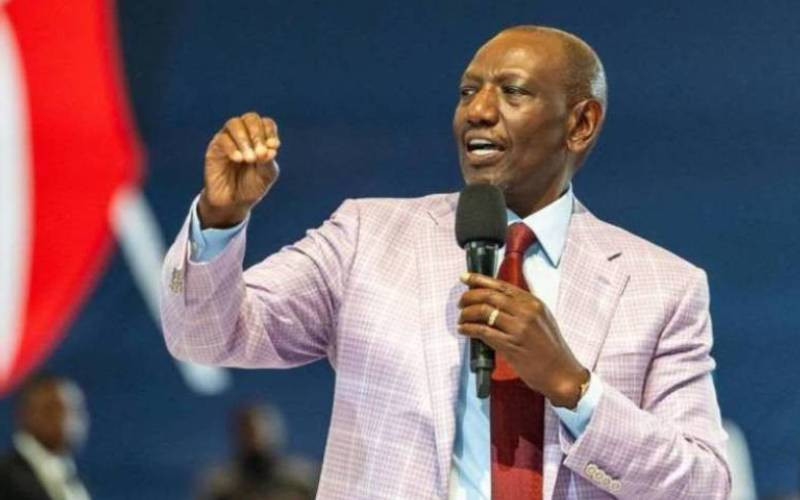
What began as widespread protests by traders in Nairobi, Kenya, against hiked costs of importing goods and increased customs duties, notably an increase to Sh3.2 million, escalated into a significant national debate and subsequent policy reversals.
On July 23, 2026, President William Ruto responded to these initial grievances by ordering the shutdown of foreign-owned hawking and small retail businesses. This pronouncement from State House in Nairobi sparked considerable debate over the delicate balance of protecting local businesses without inadvertently straining Kenya’s crucial diplomatic ties. The directive aimed to address the concerns of local traders who felt disadvantaged by the escalating costs.
However, the traders' discontent did not subside. On August 28, 2026, thousands of Nairobi traders took to the streets, paralyzing the city's central business district (CBD) in sustained protests against high Kenya Revenue Authority (KRA) taxes and demanding a comprehensive review of new charges. These demonstrations, fueled by rising business costs, saw traders vow to continue their protests until their demands were met.
Faced with such widespread public opposition and the paralysis of the capital, President William Ruto's administration was compelled to make a significant retreat. On Wednesday, the government struck a deal with small-scale traders, agreeing to slash a controversial customs valuation method that had been used to tax consolidated imports. This climbdown by the administration marked a direct response to the intense pressure from the protesting traders, underscoring the powerful impact of collective action on economic policy.