Ruto's Fiery Vow: President Threatens to Arrest Corrupt MPs and Dissolve Parliament
President William Ruto has escalated his anti-corruption drive, explicitly warning that givers and receivers of legislative bribes will be arrested. He has alleged instances of MPs accepting significant sums to pass bills, raising serious concerns about Parliament's integrity and leadership. These strong statements signal a pivotal moment in Kenya's fight against systemic corruption.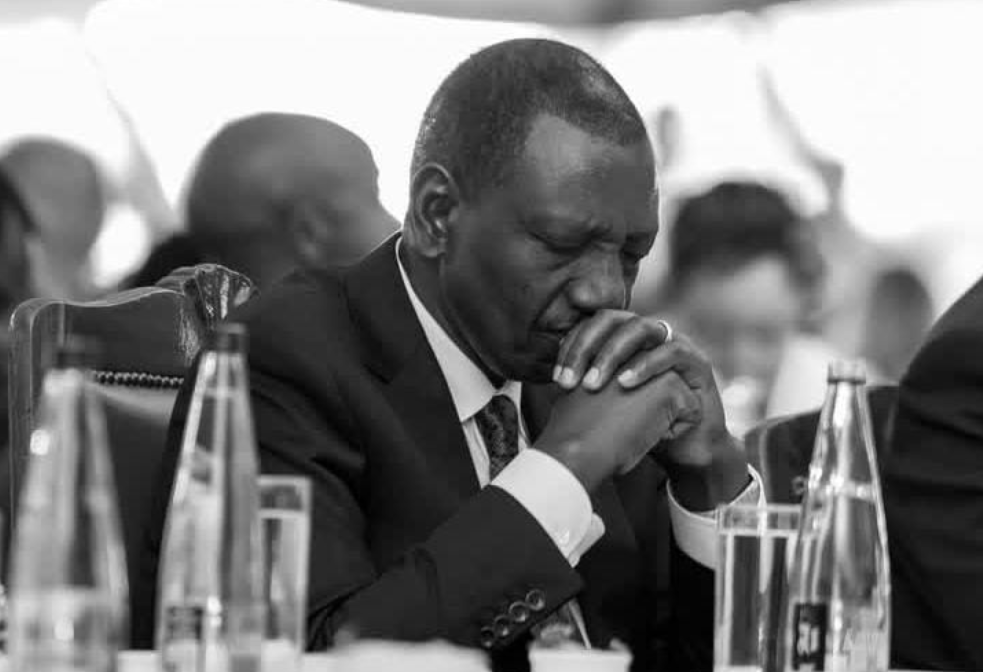
President William Ruto has intensified his anti-corruption campaign, issuing a stark warning that both individuals offering and accepting legislative bribes will face arrest. During a public address on Monday, August 18, 2025, President Ruto specifically alleged that a group of Members of Parliament (MPs) had received Ksh10 million to facilitate the passage of the Anti-Money Laundering Bill. He underscored his commitment to taking decisive action against all those involved, irrespective of their stature, declaring, “We are not going to shame them, we are going to arrest them, whoever is giving and whoever is being given.”
The President's concerns extend beyond this singular incident, as he expressed apprehension that a select few individuals are undermining Parliament’s credibility by misappropriating funds ostensibly collected in its name. These recent statements echo earlier remarks made at the Devolution Conference on Wednesday, August 13, where he accused lawmakers in parliamentary committees of soliciting bribes from members of the Executive, including Cabinet Secretaries and Governors, to sway decisions in their favour. Such repeated and specific warnings from President Ruto signify a deepening resolve within the Executive to confront legislative corruption, signalling a departure from what he terms “business as usual.”
This ongoing issue has brought into question the leadership of Parliament's Speakers, Moses Wetang’ula (National Assembly) and Amason Kingi (Senate), who have faced accusations of bias and a perceived failure to effectively guide the House in fulfilling its constitutional mandate as the electorate’s watchdog. The cardinal functions of Parliament – oversight, representation, and legislation – are intended to ensure government accountability, unearth corrupt practices, and enact laws to prevent graft. Yet, despite these extensive powers, the President's revelations suggest a serious dereliction of duty, pointing to a systemic problem within the legislative arm of government.
Instinctively, it appears the President’s direct attacks against the MPs’ corrupt practices may have deeper underlying motives that are yet to fully surface. While the news media has commendably exposed governmental corruption, the President's current focus points directly to the legislature as a significant part of the problem. This situation highlights a concerning reality: both the Executive and Legislative branches of government exhibit severe deficiencies in financial discipline. In light of this, some courageous MPs, such as Nyaribari Masaba MP Daniel Manduku, have openly voiced concerns that Parliament has veered from its primary functions, effectively becoming an extension of the Executive. These reflective lawmakers have even advocated for the dissolution of Parliament and a call for early elections, arguing that waiting until 2027 would be an inexcusable waste of public resources, especially given the current biting cost of living.
The failure to aggressively combat mega-corruption could lead to dire consequences, including a growing population of jobless youths who might eventually become a major security threat, fostering anger, resentment, and ethnic polarization. Such widespread greed inevitably gives rise to resource-based conflicts, which are antithetical to peace. Considering the ongoing destruction of public resources, the question arises whether it is a lesser evil to dissolve Parliament now, count the losses, and begin anew, rather than waiting until 2027 while MPs continue to siphon public funds, thereby laying the groundwork for future chaos. The President is urged to seriously consider dissolving Parliament to prevent a prolonged period of confusion, ambiguity, and political horse-trading as MPs and the Executive merely bide their time until the next general election.