Ruben Amorim’s Manchester United Revolution: Crushing Entitlement, Chasing Premier League Glory
Ruben Amorim aims to reshape Manchester United’s culture, tackling entitlement within the squad while setting sights on Premier League success in the coming years.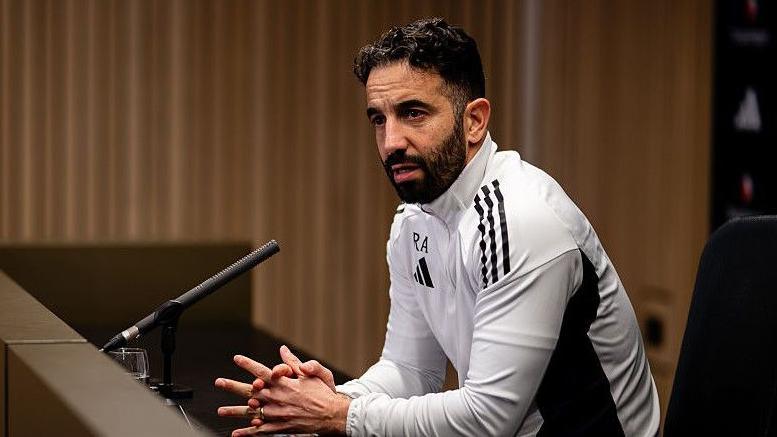
Manchester United manager Ruben Amorim has boldly declared that the club’s pursuit of Premier League glory will not take a decade, directly challenging the long-term timeline suggested by legendary manager Sir Alex Ferguson. Ferguson had warned that it could take 10 to 11 years for Manchester United to add to their 20 English league titles, a milestone the club has not reached since his 2013 departure. Amorim, however, remains confident that the Red Devils can contend for the title in the near future, emphasizing that it will not require “so many years,” regardless of the manager in charge.
As Manchester United prepares for a tough away fixture against Aston Villa, Amorim faces significant squad challenges, with six first-team players unavailable. Defenders Harry Maguire and Matthijs de Ligt are sidelined through injury, midfielder Casemiro serves a one-match suspension, and Amad Diallo, Bryan Mbeumo, and Noussair Mazraoui are absent due to Africa Cup of Nations commitments. Despite these hurdles, Amorim maintains a forward-looking vision for United’s competitiveness.
Off the pitch, recent remarks by captain Bruno Fernandes stirred debate. Fernandes revealed that Manchester United had considered selling him to Al-Hilal during the summer transfer window. Amorim addressed the situation, clarifying that Fernandes had already shared his perspective with the club before speaking publicly. He praised Fernandes for his dedication, citing him as a player who consistently “gives everything” in training and matches, and called on others in the squad to adopt a similar mentality. Amorim’s approach underscores his commitment to eradicating entitlement and instilling a culture of accountability and relentless effort.
Beyond immediate squad dynamics, Amorim has openly criticized the culture of complacency and entitlement that can permeate elite football clubs. He stresses the need for every player to take responsibility for performance, maintain professionalism, and embrace a collective mindset aimed at long-term success. This philosophy forms the foundation of what he describes as a Manchester United revolution, prioritizing culture change as much as tactical excellence.
With Premier League ambitions firmly on the horizon, Amorim’s vision combines cultural reform with strategic squad management. By demanding accountability, fostering resilience, and building around dedicated performers like Fernandes, he aims to restore Manchester United to the forefront of English football — sooner rather than later.