Regional Tensions Explode: Thailand Prepares to Sue Cambodia in ICC Amid Border Dispute
Recent tensions between Thailand and Cambodia are escalating, marked by Thai rejections of assassination claims and widespread fake news. Key issues include Thailand's lawful detention of Cambodian soldiers, alleged landmine violations by Cambodia, and accusations of border encroachment, prompting potential legal action against Cambodian leaders.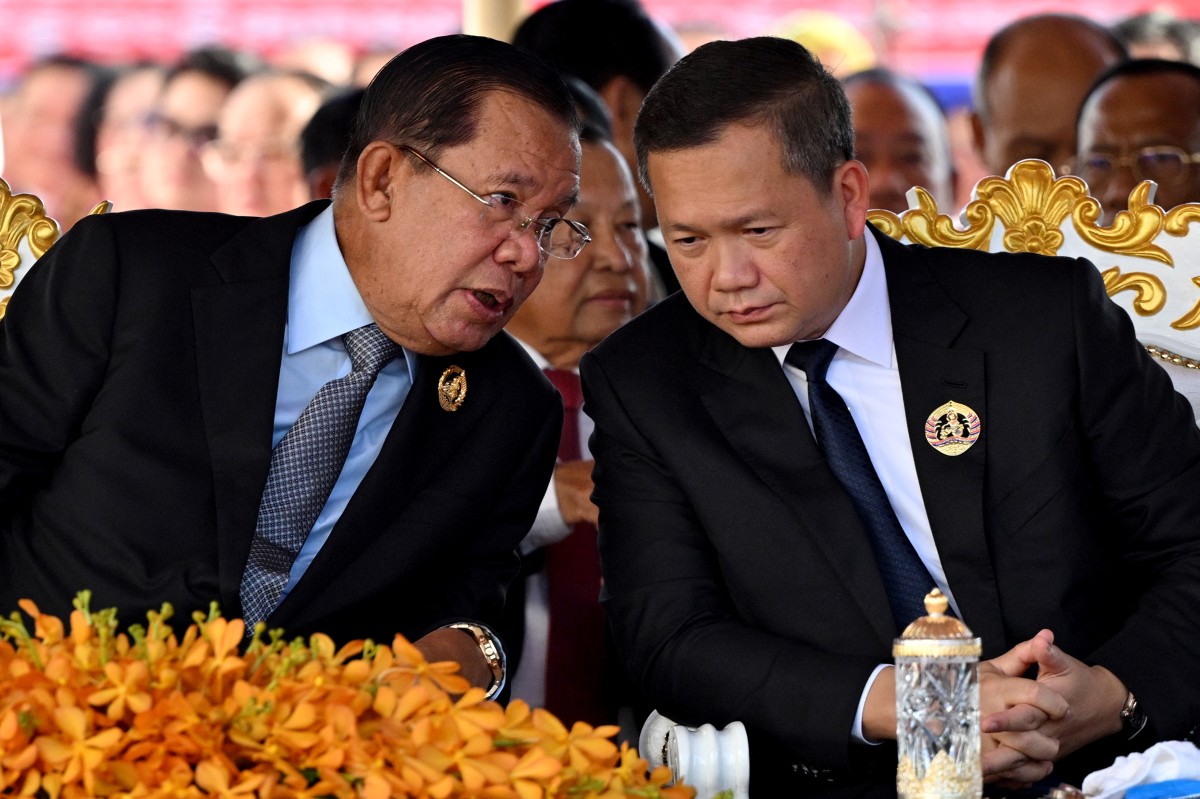
Recent developments have highlighted significant tensions and ongoing diplomatic challenges between Thailand and Cambodia, encompassing a range of issues from border disputes and alleged international law violations to widespread disinformation campaigns. Thailand's Ministry of Foreign Affairs vehemently rejected social media claims, initially cited by Cambodia’s Minister of Information, alleging that Thailand planned to assassinate Cambodian leaders Hun Sen and Hun Manet. Nikorndej Balankura, Director-General of the Department of Information, denounced these accusations as entirely unfounded and defaming, emphasizing that such false news undermines constructive dialogue, particularly amidst General Border Committee (GBC) discussions aimed at peaceful resolution.
Disinformation has plagued the bilateral relationship, with Thailand's Ministry of Digital Economy and Society (DES) reporting that eight out of the top ten fake news items in a recent week were related to the Thai-Cambodian border conflict. This prevalence underscores the challenges in maintaining factual discourse amid heightened sensitivities.
A critical point of contention involves the detention of 18 Cambodian soldiers by Thailand. Royal Thai Army spokesman Maj Gen Winthai Suwaree asserted Thailand’s right to detain these prisoners of war (POWs) under international law, stating they would only be repatriated once a ceasefire and hostilities had definitively ended. He clarified that Thailand's actions fully comply with international legal and humanitarian principles, including the Geneva Conventions, contrary to Cambodian claims of illegal detention. International organizations, such as the International Committee of the Red Cross (ICRC), were granted access to inspect the detainees' conditions, further substantiating Thailand's adherence to international norms. The detention is to continue until a concrete cessation of hostilities ensures the detainees will not return to combat.
The issue of landmines along the border has also flared, particularly following an incident that Thailand considered a clear violation of the Ottawa Convention on landmines. This occurred shortly after a GBC meeting in Kuala Lumpur where Cambodia rejected Thailand’s proposal for joint landmine clearance. In response, Thailand’s ambassador to the UN in Geneva protested the incidents to the chair of the Ottawa Convention, and its ambassador to the UN in New York requested action against Cambodia for treaty violations. The Royal Thai Army (RTA) subsequently led the ASEAN Interim Observation Team (IOT) to the border to monitor alleged breaches, following earlier visits by ASEAN envoys and Ottawa Convention representatives who witnessed evidence of anti-personnel mines and interviewed affected residents. The ICRC also conducted visits to assess the humanitarian impact on civilians in Thai provinces and will submit confidential findings to both countries, demonstrating Thailand’s commitment to humanitarian protection.
Further complicating relations is Thailand's accusation that Cambodia betrayed Thai hospitality and humanitarian aid by establishing a community on Thai soil at Ban Nong Chan village in Sa Kaeo. Government spokesman Jirayu Houngsub stated that Ban Nong Chan, initially a temporary shelter for Cambodian civil war refugees in 1977, was exploited by Cambodia to encroach on Thai territory. He alleged that Cambodian refugees refused to return home, expanding their community on Thai land. Thailand responded by erecting razor wire within its boundaries to protect its territory from further encroachment and attacks, insisting this action did not violate GBC agreements. Jirayu also stated that the Cambodian government used its citizens as a 'human wall' to provoke border tensions.
The gravity of the situation has led to calls for potential legal action. Acting Prime Minister Phumtham Wechayachai confirmed that academics might submit a proposal to sue Cambodian Prime Minister Hun Manet and his father, Hun Sen, in the International Criminal Court (ICC) as war criminals. This follows a National Security Council (NSC) resolution to file criminal and civil lawsuits against them in Thai courts for causing deaths, injuries, and property damage to Thais by ordering troops to fire at civilians.