Lithuania Warns Russia Could Escalate Attacks and Sabotage Across EU
Lithuanian Foreign Affairs Minister Kęstutis Budrys warns that current EU deterrence measures have failed to prevent Russian attacks, intensifying the threat to the bloc. Following a drone incident in Germany attributed to Russia, EU leaders are calling for strengthened counterintelligence, tougher visa restrictions for Russian nationals, and increased economic sanctions to counter escalating aggression. European Commission President Ursula von der Leyen affirmed these incidents as the 'new normal,' urging the EU to respond faster and more effectively.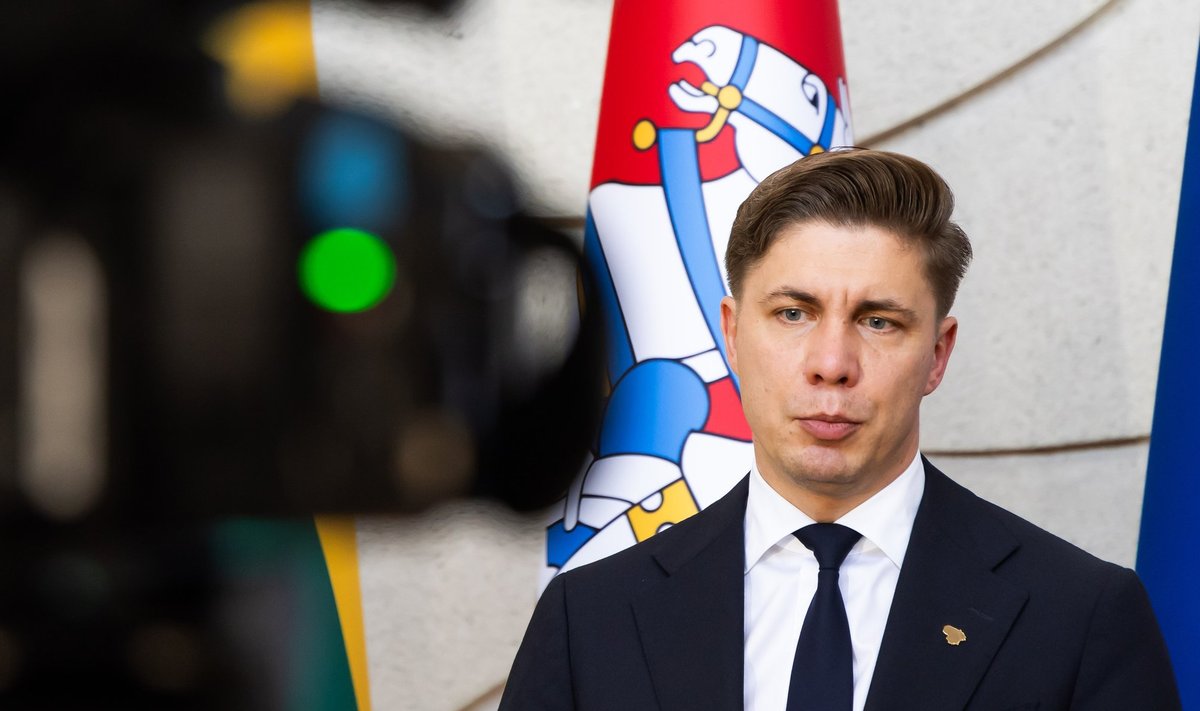
Lithuanian Foreign Affairs Minister Kęstutis Budrys has warned that Russia could escalate what he described as attacks and sabotage against European Union countries, arguing that existing deterrence measures have failed to stop Moscow from testing the bloc’s security.
His warning followed Germany’s attribution of an explosive-laden drone found near a Ukrainian Antonov cargo aircraft at Leipzig/Halle Airport to Russia, an accusation the Kremlin has rejected. Budrys welcomed Germany’s decision to strengthen the powers of its intelligence services but said the EU needed a broader and more effective response.
Budrys described the Leipzig incident as part of a wider pattern of suspected Russian sabotage and other hostile activities across Europe, arguing that Moscow sees such operations as a relatively inexpensive way to create social tension and weaken European support for Ukraine.
European Commission President Ursula von der Leyen similarly said such incidents were becoming a “new normal” and called for the EU to respond more quickly and effectively. Budrys called for stronger counterintelligence and security capabilities, alongside increased political and economic pressure on Russia.
Germany has responded with measures including the closure of the Russian consulate in Bonn, the termination of the contract for the Russian House in Berlin and tighter entry controls for Russian nationals.
EU governments have also agreed to pursue stricter visa restrictions for Russian tourists and a comprehensive visa ban for current and former Russian military personnel, while Germany has pledged further action against Russia’s “shadow fleet” of tankers used to circumvent oil sanctions.
The EU is also preparing additional sanctions, as member states seek to increase pressure on Moscow while maintaining support for Ukraine.