Presidential Secrecy Row: Nigerians Demand Answers on Tinubu's Extended Absence
President Tinubu’s extended stay abroad has sparked debate over presidential power and Section 145 of Nigeria’s Constitution, with the Presidency defending his working vacation.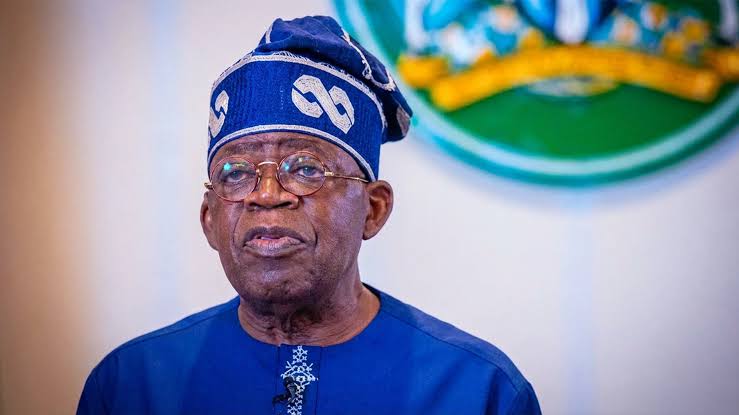
President Bola Ahmed Tinubu's prolonged absence from Nigeria, initially for a three-week vacation, has ignited significant controversy and public concern. After departing Abuja on August 30, with an expected return on September 20 or 21, the Presidency announced an extension, stating he would be back by the weekend of September 27.
However, his failure to return as promised, and a subsequent report suggesting he would have spent four weeks abroad if he returned on Tuesday, September 30, has intensified demands for transparency and constitutional adherence from various quarters.
Bayo Onanuga, Special Adviser to the President on Information and Strategy, has repeatedly asserted that President Tinubu is "hale and hearty" and on a "working vacation," to which he is "perfectly entitled."
Onanuga emphasized that in this digital age, the President does not need to be physically present in Abuja to perform his duties, citing his engagements with investors in France, including facilitating a $7 billion deep-sea port in Ogun Waterside.
The Presidency also defended Tinubu's absence from the 81st session of the United Nations General Assembly (UNGA) by noting that other important African leaders, such as South Africa's Cyril Ramaphosa and Egypt's Abdel Fattah el-Sisi, also missed the event without national uproar.
Onanuga further stated that the President had delegated UNGA attendance to Vice President Kashim Shettima and announced that Tinubu would return to Nigeria this week to mark the nation’s 66th Independence Anniversary and attend a movie premiere in MKO Abiola's memory in Lagos.
However, opposition figures and civil society organizations have vociferously challenged the Presidency's explanations. The African Democratic Congress (ADC) Presidential Campaign Council (PCC), through its Director of Media and Publicity, Kola Ologbondiyan, expressed deep concern over Tinubu's continued absence beyond the communicated period, demanding a "clear and transparent explanation."
The ADC argued that Nigerians are entitled to know their President's whereabouts and, more importantly, who is exercising presidential authority, especially amid Nigeria's severe economic pressures, widespread hardship, and persistent security challenges.
They questioned the constitutional basis for extending the vacation and for the Secretary to the Government of the Federation, Senator George Akume, representing the President at official functions.
Similarly, Peter Obi, presidential candidate of the Nigeria Democratic Congress (NDC), raised concerns about Nigeria's absence from the global stage, noting that the President had missed three consecutive UNGAs, and questioned who was truly in charge despite the Vice President's presence.
The debate has largely centered on Section 145 of the 1999 Constitution (as amended), which outlines the procedure for transmitting presidential power during the President's absence or inability to discharge duties. Section 145(1) mandates the President to transmit a written declaration to the President of the Senate and the Speaker of the House of Representatives, making the Vice President the Acting President.
Crucially, Subsection 2 stipulates that if the President fails to transmit such a declaration within 21 days, the National Assembly shall, by a simple majority vote in each House, mandate the Vice President to perform presidential functions as Acting President.
Former lawmaker Mark Gbillah urged the National Assembly to invoke Section 145(2), arguing that the 21-day period had elapsed. Gbillah dismissed the "working vacation" distinction, stating that a vacation, regardless of work, necessitates the transmission of power and expressed concern over the simultaneous absence of both the President and Vice President from the country, and the unconstitutional suggestion of the SGF performing presidential duties.
He likened the situation to the constitutional crisis during late President Umaru Musa Yar’Adua’s prolonged absence.
Conversely, some legal experts have offered different interpretations. Abuja-based lawyer Barrister Abdurrahman Salis contended that the absence of both the President and Vice President from Nigeria does not inherently create a constitutional vacuum if they remain capable of performing their official functions, especially in the digital age.
He argued that the Constitution does not require an automatic takeover by the Vice President unless the President travels specifically for a vacation during which he would not perform his official duties.
Associate Professor Lanre Sikiru Nurudeen of Al-Hikmah University echoed this sentiment, suggesting that a "working leave" does not imply a disruption to governance, as the President can continue to work and give approvals remotely.
This current prolonged absence follows a pattern of extended stays abroad by President Tinubu. In April 2024, after official visits to the Netherlands and a World Economic Forum in Saudi Arabia, he remained abroad for approximately five days longer than expected, returning on May 8. In August 2024, after a trip to China and a stopover in Dubai, his whereabouts were unknown after September 5 until he visited King Charles III on September 11.
Similarly, in July 2025, following the BRICS Summit in Brazil, he did not immediately return, arriving in Abuja five days later without explanation. The ongoing debate underscores persistent calls for greater transparency and strict adherence to constitutional provisions regarding presidential movements and the exercise of executive authority, especially when the nation faces significant challenges.