Political Firestorm: Atiku Blasts Tinubu & EFCC Over Osun State Account Freeze Drama
The freezing of Osun State Government's bank accounts by the EFCC just days before the governorship election has ignited a major political dispute. President Tinubu expressed embarrassment and directed the EFCC to reverse the order, while Atiku Abubakar condemned it as an assault on democracy. The EFCC, however, defended its action, citing suspicious transactions and legal mandate amidst an ongoing N11 billion fraud investigation.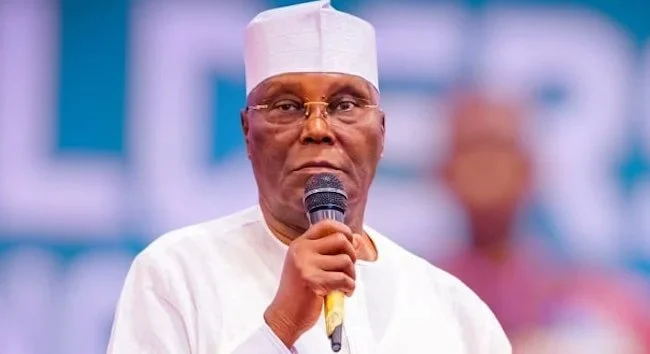
The Economic and Financial Crimes Commission (EFCC) sparked significant controversy by freezing the bank accounts of the Osun State Government on August 5, 2026, just days before the state's governorship election.
This action drew immediate and strong reactions from key political figures, including President Bola Ahmed Tinubu and former Vice President Atiku Abubakar, raising serious questions about the timing and implications for democratic processes.
President Bola Ahmed Tinubu publicly expressed his deep embarrassment regarding the timing of the EFCC's action.
In a personally signed statement issued on Thursday, he acknowledged that while the anti-graft agency acted pursuant to a court order, actions by federal institutions are often attributed to the President.
Tinubu reiterated his commitment to allowing anti-corruption and law enforcement agencies to discharge their statutory responsibilities independently, professionally, and without political interference.
However, he deemed the timing of the EFCC's move "inauspicious" given the imminent governorship election in Osun State, emphasizing that nothing should create the impression of federal interference.
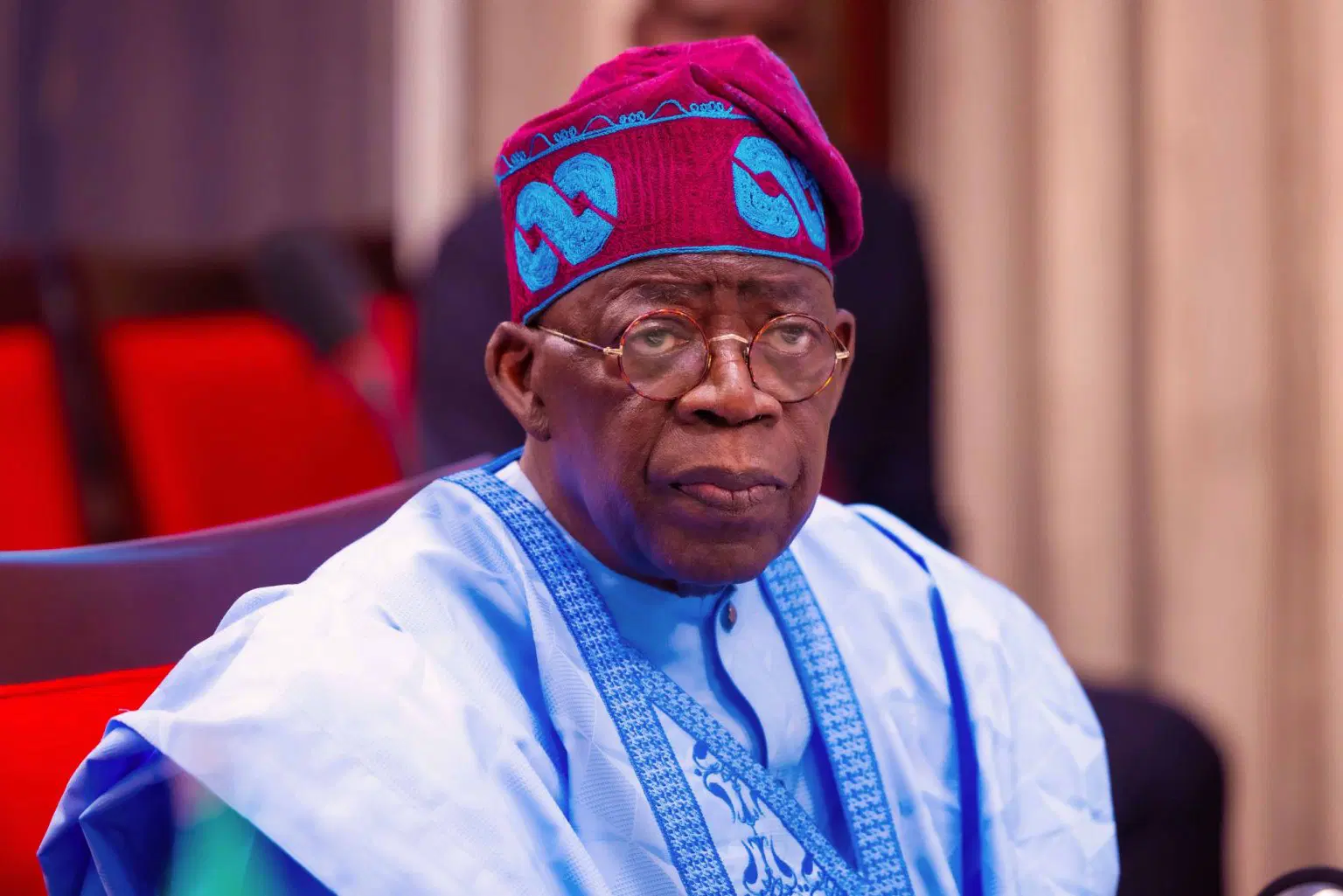
Consequently, President Tinubu directed the EFCC to immediately return to court to vacate the freezing order and discontinue any related actions against the state, citing the overriding public interest in preserving public confidence, integrity, credibility, and fairness of the democratic process.
The Former Vice President of Nigeria and Presidential Candidate of the African Democratic Congress (ADC), Atiku Abubakar, also voiced grave concern over the freezing of the Osun State Government’s statutory allocation account.
He condemned the action as a "dangerous assault on democracy," questioning the neutrality of institutions tasked with upholding the rule of law.
Atiku insisted there was no justification for such a move on the eve of a critical election, warning that freezing a state's principal operational account could disrupt governance, delay salary payments, impede essential public services, and foster an atmosphere of intimidation.
He urged anti-corruption agencies to avoid creating the perception that they are deployed to influence political outcomes or weaken elected governments during crucial electoral periods.
Atiku further argued that Nigeria’s democracy relies on both free and fair elections and public confidence in the independent and professional operation of state institutions.
He highlighted a concerning pattern under the Tinubu administration, where opposition-controlled states appear to be consistent targets of coercive federal actions, referencing the prior denial of Osun State’s statutory local government allocations.
He described the EFCC's action as a direct assault on the people of Osun State, whose salaries and public services would suffer, Atiku called for an immediate reversal.
He also appealed to all institutions involved in the Osun governorship election to act with restraint and impartiality, asserting that the people of Osun State alone must determine their election's outcome.
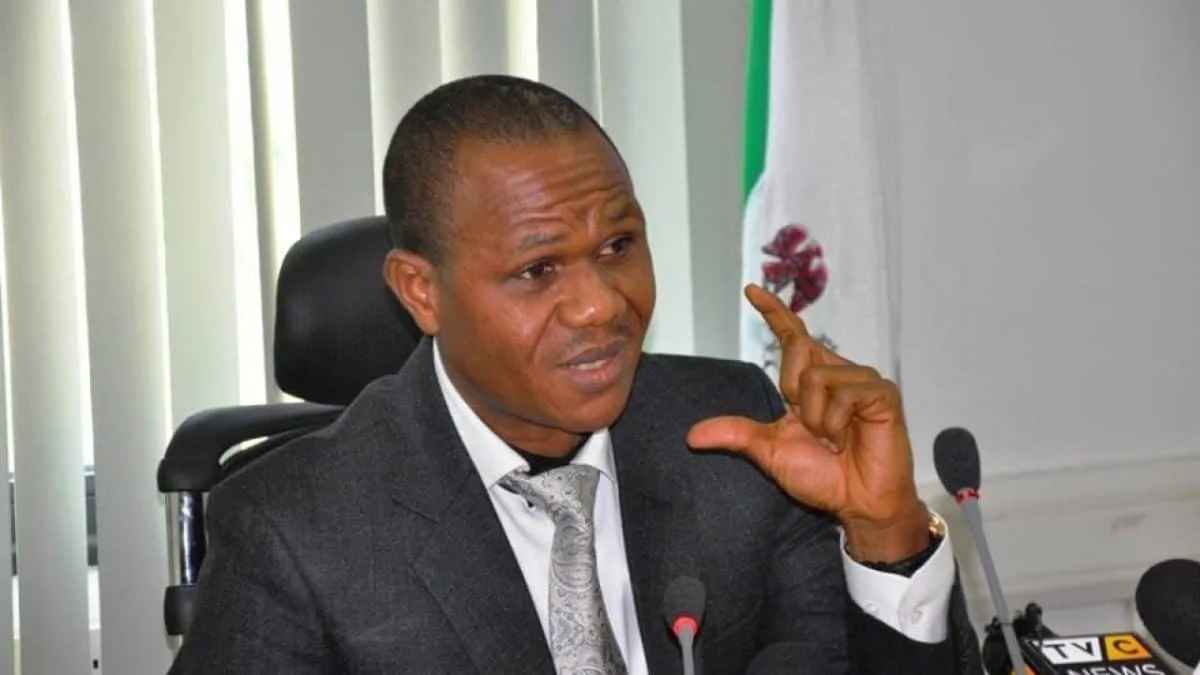
He concluded by accusing President Tinubu of being determined to win elections "at all costs" and urged opposition parties and Nigerians to resist this "dangerous drift."
In response to the widespread criticism, the Economic and Financial Crimes Commission, through its Director of Public Affairs, Wilson Uwujaren, defended its actions.
Uwujaren clarified on Arise Television that the EFCC is legally empowered to temporarily freeze suspicious accounts for up to 72 hours without first obtaining a court order.
He explained that the restriction was imposed after the agency detected suspicious financial transactions on the account over the past week, emphasizing that it was a "targeted restriction" on one specific account, not a blanket freeze on all state finances.

Investigators noted substantial transfers from the account to several corporate entities within a short period, prompting the intervention.
Uwujaren maintained that the EFCC had a responsibility to act to prevent potential diversion of public funds, stating that the public would demand answers if funds were looted.
Uwujaren also dismissed concerns that the restriction would cripple governance in Osun State, assuring that the government still had access to other accounts.
He cited Section 34 of the EFCC Act and Section 7(6) of the Money Laundering (Prevention and Prohibition) Act, 2022, as the legal basis empowering the Commission to temporarily restrict transactions on suspicious accounts.
These restrictions, he explained, can remain in force for up to 72 hours before the Commission must seek a court order for an extension.
The EFCC further disclosed that it has been investigating the Osun State Government since March 2026 over alleged fraudulent management of approximately N11 billion in Ecology Funds, Intervention Funds, andFederation Account Allocation Committee (FAAC) allocations, with several state officials, including the Accountant-General, already interrogated as part of the ongoing probe.