Peter Obi's Controversial One-Term Presidency Pledge Ignites Political Firestorm
Former Anambra State Governor Peter Obi has reiterated his pledge to serve only a single four-year term if elected president in 2027, citing stability and zoning principles. However, presidential aide Bayo Onanuga has dismissed this promise, questioning Obi's political consistency and citing his history of changing party allegiances.
The Presidency on Thursday faulted former Labour Party presidential candidate Peter Obi over his declaration that he would serve only a single four-year term if elected president, describing the pledge as unconvincing in view of his political record.
Obi explains his one-term pledge as a way to support national stability and Nigeria’s power-sharing (zoning) system.
He says a southern president elected in 2027 should hand over to the North in 2031 to maintain regional balance and unity.
He also argues that good leadership is not about how long someone stays in power, pointing to figures like Abraham Lincoln, John F. Kennedy, and Nelson Mandela as examples of leaders remembered for impact rather than long terms.
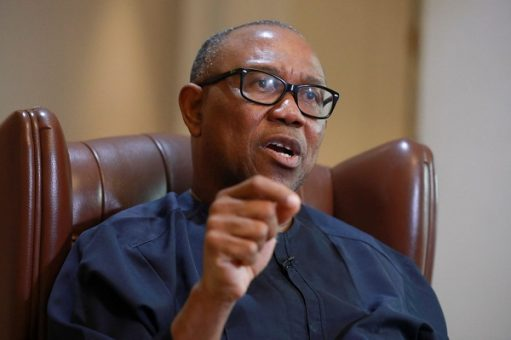
President’s aide Bayo Onanuga has urged Nigerians to ignore Obi’s one-term promise, questioning his credibility.
He claims Obi has a record of changing political parties despite earlier pledges of loyalty, including leaving APGA after previously promising to stay.
Onanuga also described him as someone whose political commitments have shifted over time, arguing this makes his current pledge unreliable.
These political exchanges occur amidst Obi's reported preparations to contest the 2027 presidential election, potentially on the platform of the Nigeria Democratic Congress (NDC).
Interestingly, days after Obi and former Kano State Governor Rabiu Kwankwaso reportedly joined the NDC, the party announced that its presidential ticket for the 2027 election would be zoned to southern Nigeria, Obi's region of origin.
This motion was seconded by prominent members of the National Assembly at the party’s convention in Abuja.
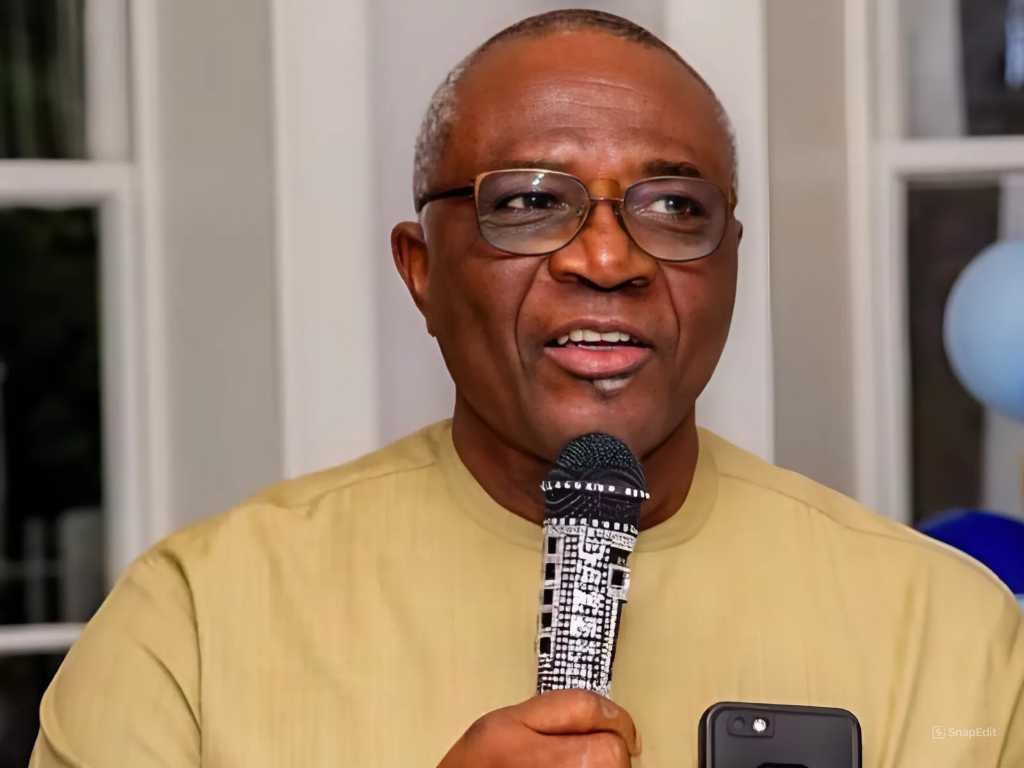
Obi, who secured third place in the 2023 presidential election as the Labour Party candidate, had also recently resigned from the African Democratic Congress (ADC) in June 2025, citing internal disputes and a challenging party environment.
Beyond his political pledges, Obi has also been critical of President Bola Ahmed Tinubu’s administration, specifically regarding rising borrowing levels and the increasing cost of living, asserting that Nigeria is currently navigating one of its most severe economic and social crises.
The discourse surrounding Peter Obi's one-term presidential pledge highlights the complexities of Nigerian politics and the scrutiny faced by aspirants ahead of the 2027 elections.
While Obi frames his promise as a commitment to stability and equitable power rotation, presidential aide Onanuga interprets it as another instance of political opportunism, reflecting divergent views on political consistency and leadership.