OPay Is on 69% of Nigerian Smartphones. What Does That Teach Us About Building for Nigerians?
OPay's 69% presence on Nigerian smartphones offers lessons on fintech, convenience, consumer behaviour, and what businesses can learn from building for everyday needs.
There is a funny thing about the Nigerian market: if you make something genuinely useful, people will find a way to put it into their daily lives.
Think about the things Nigerians now do from a phone. You can send money to a friend, pay a bill, buy airtime, receive payment from a customer, pay for food, or settle a business transaction without moving from your chair.
The phone that once existed mainly for calls and text messages has quietly become a bank, marketplace, wallet, and business counter.
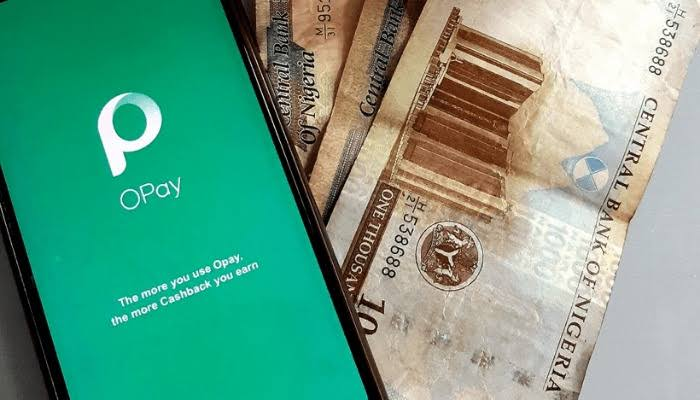
That shift is sitting underneath one of the more interesting findings in the latest Nigeria Smartphone Study by KPMG and Orange Group. The study, based on 13,251 respondents across 12 Nigerian cities, found that OPay was present on 69% of smartphones surveyed, ahead of PalmPay at 29%, Access Bank at 16% and Moniepoint at 14%. Smartphone penetration itself rose to 75% in 2025, from 64% in 2023.
The 69% figure, however, should not be read as 69% of Nigerians using OPay, or as OPay holding 69% of Nigeria’s banking customers. It refers only to the app’s presence on smartphones among the study’s respondents, not how frequently those customers use the app or how much money they move through it.
But the bigger question is still worth asking: what did OPay understand about Nigerian consumers that made so many people make room for it on their phones?
The Nigerian Consumer Does Not Have Time for Unnecessary Stress
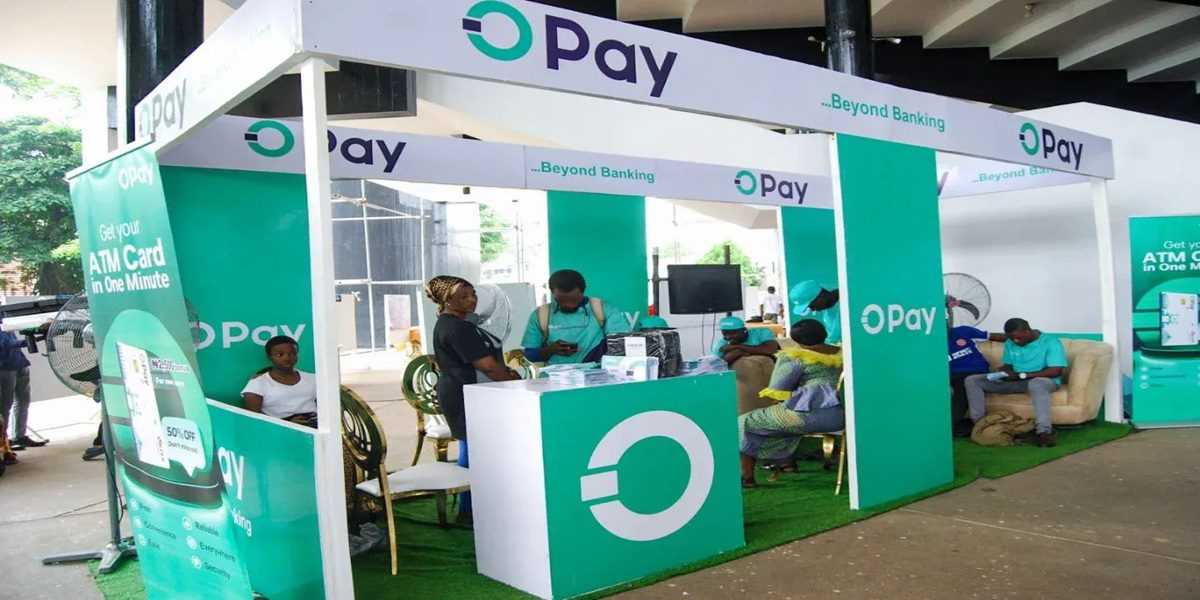
There is a reason convenience has become such a powerful currency in Nigeria. Nobody wakes up excited about the process of transferring ₦5,000.You just want to send the money. You do not want to understand the architecture behind the transaction, navigate five different menus, or spend ten minutes wondering whether the transfer will work. You want to open an app, do the thing, and move on with your life.
This is one of the economics lessons sitting inside fintech's rise: Consumers do not always reward the company with the most sophisticated product. They often reward the product that removes the most friction from something they already need to do.
Nigeria is a particularly useful market for learning this because financial transactions are not occasional activities. They happen constantly: between friends, families, customers, vendors, employers, small businesses and service providers. The smartphone therefore becomes more than a communication device. It becomes infrastructure for everyday commerce.
KPMG notes that smartphones are increasingly enabling participation in financial services, commerce, entertainment, education and transportation, while Nigeria's digital economy continues to expand.
The lesson for anyone building a business is fairly simple: do not only ask what people want. Look closely at what they already do repeatedly, then ask where the process frustrates them. That is often where the business is hiding.
Being Handy Can Be a Business Strategy
OPay's presence is interesting not simply because the number is large, but because it shows what happens when a product becomes handy enough to become part of someone's routine.
The same phone can contain WhatsApp for communication, TikTok for entertainment, Google Drive for work, and a fintech application for money.
Nigerian consumers are already comfortable carrying their lives around in applications. The competition, therefore, is not only between fintech companies. It is a competition for space, attention, and habit on the user's screen.
And the numbers show how valuable that space has become. PalmPay's 29% smartphone presence is significant, while Moniepoint sits at 14%. Traditional banks remain firmly in the competition, with Access Bank at 16%, UBA and GTBank at 11% each, FirstBank at 10%, and Zenith Bank at 9%.
The interesting part is that fintech did not need to convince Nigerians that money should become digital. Nigerians were already moving in that direction. The opportunity was to make the movement easier.
That is an important distinction for entrepreneurs.
Sometimes businesses spend too much time trying to invent a completely new behaviour when there is money to be made by making an existing behaviour cheaper, faster, simpler, or more accessible.
You do not always need to teach the market something new. Sometimes you just need to remove the headache from something people already do every day.
What Nigerians Building Businesses Should Learn From This
There is a temptation to look at a figure like 69% and immediately ask, “How can my business become the next OPay?” That may be the wrong question.
The more useful question is: what makes a Nigerian keep an application on their phone?

It has to earn its space. Nigeria is not a small market where a handful of customers can sustain a product indefinitely. It is a huge, complicated market with different income levels, behaviours, locations and needs. KPMG's study itself points to affordability, infrastructure, digital literacy and cybersecurity as factors that will continue to shape digital participation.
So the lesson is not simply “build an app.” It is to build something people have a reason to return to.
Make it useful enough to become routine. Make it simple enough that people do not need a manual. Make it affordable enough that price does not immediately push the customer away. And most importantly, understand the tiny inconveniences people have normalised because nobody has solved them properly.
That is where the real economics of OPay's 69% presence becomes interesting.
The biggest lesson may not be about fintech at all. It is about attention, habit, and usefulness.
In a country where the smartphone is increasingly becoming the front door to commerce, the businesses that understand what Nigerians need to do every day, and make doing it easier, are already standing very close to the customer.
Sometimes, that is all the market needs to make room for you.