One City, 150,000 Nigerians: Why a Million Nigerians Chose the Same American City
It wasn't random, and It wasn't just the oil money. One city in the American South became the unofficial capital of the Nigerian diaspora, and the story of how it happened is more fascinating than any census data can capture.
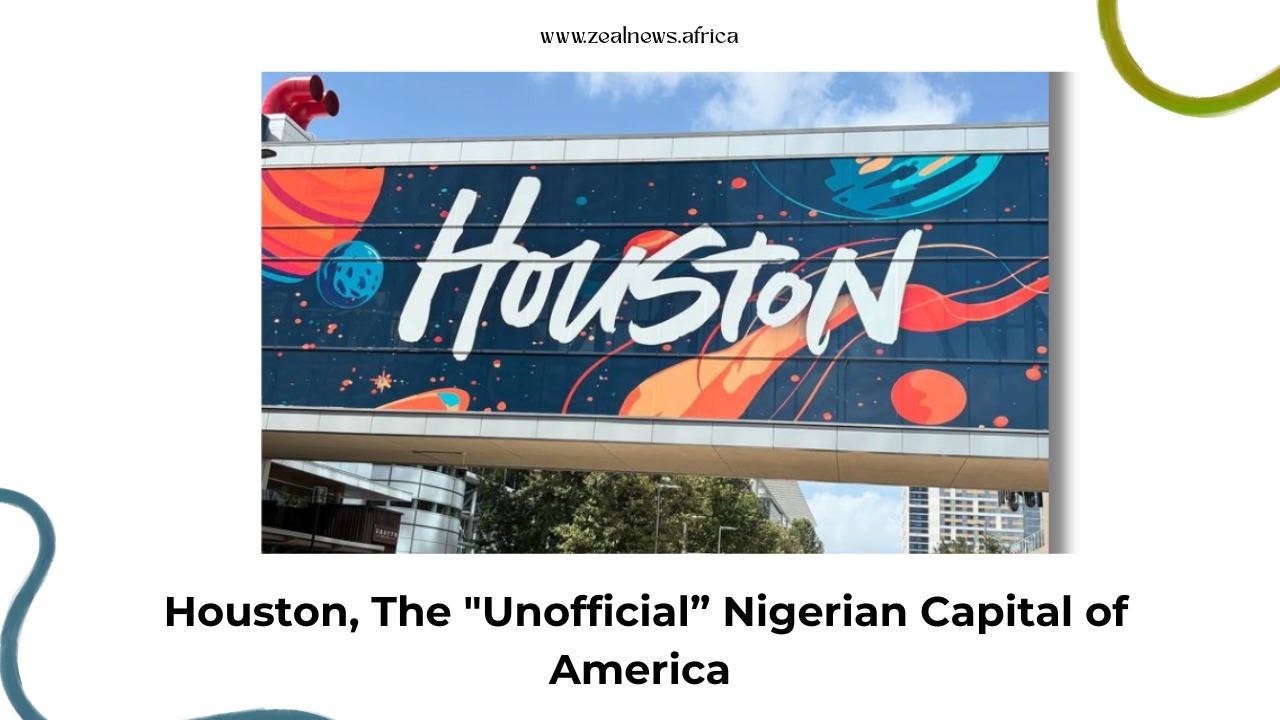
There is a particular moment that many Nigerians describe when they first land in Houston. It is not the airport, not the wide freeways, not even the familiar suffocating heat pressing through the arrivals door. It is the moment, sometime in the first week, when they realise they do not have to explain themselves here.
There is already a church that preaches the way their mother's church did. There is already a market selling ogi and ogiri. There is already someone in the next apartment block who speaks Yoruba or Igbo or Urhobo, and who knows exactly where to find the best jollof rice on a Saturday night.
That feeling is not accidental. It is the product of decades of a very specific kind of migration, one that followed the logic not just of economics but of something harder to quantify and more powerful in practice.
Nigerians in Houston did not simply go where opportunity existed. They went where Nigerians already were. And because Nigerians already were there, more Nigerians came. The community compounded itself into something that now functions less like a diaspora outpost and more like a second Lagos planted in the American South.
Houston is home to approximately 150,000 Nigerians when first and second-generation Nigerian Americans are counted together, making it the largest concentration of Nigerians in any single American city. Understanding why requires going back further than the census data, and further than the obvious answer everyone reaches for first.
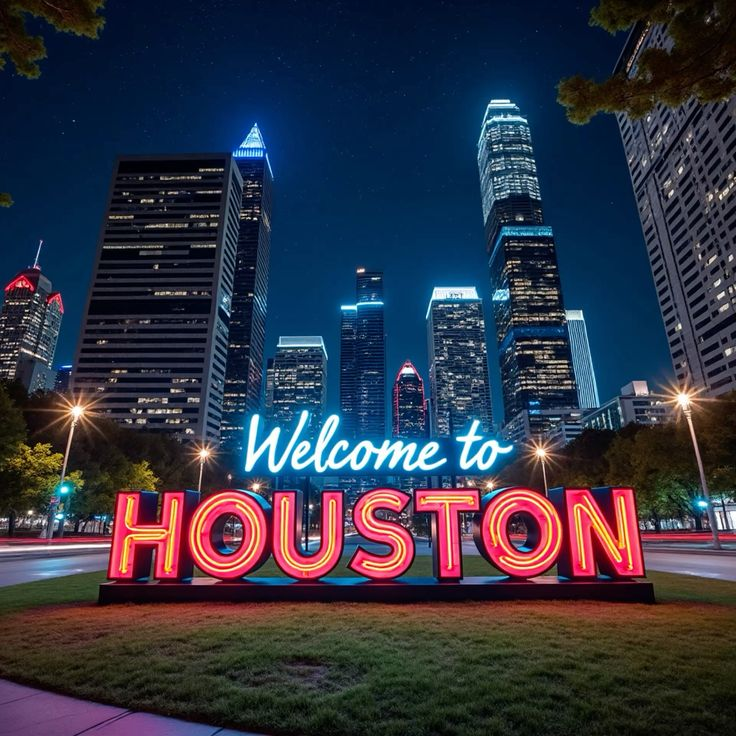
The Oil Explanation Is True But Incomplete
Yes, oil brought Nigerians to Houston. The connection between Nigeria's petroleum-producing south and Texas's energy corridor is one of the most direct and well-documented migration pathways in the Nigerian diaspora.
Nigerian petroleum engineers, reservoir geoscientists, and energy professionals trained in Lagos, Warri, and Port Harcourt found that their technical knowledge translated seamlessly into employment at Schlumberger, Halliburton, Shell, and Chevron, companies whose names are spoken with as much familiarity in Benin City as in Houston's energy corridor.
One engineer arrived, found work, and called a colleague from their university cohort. That colleague arrived, settled, and called another. The network compounded.
But oil alone produced other cities with Nigerian professionals too. Calgary in Canada has a significant Nigerian energy professional community. Aberdeen in Scotland attracted Nigerian petroleum workers during the North Sea boom. Neither became Houston.
The oil explanation is true but it is not sufficient, because it does not explain why Houston became a cultural capital rather than simply a professional one.
The Climate Nobody Talks About
The climate plays a role too, though Nigerians joke about it constantly. Houston is genuinely, aggressively hot. July and August temperatures sit above 38 degrees Celsius with humidity that makes the air feel physical.
For a Nigerian from Rivers State, from Anambra, from Lagos, that is not weather to endure. It is weather that feels like home. The body remembers it.
The seasonal rhythms of it, the evening thunderstorms, the heavy air, the way sweat arrives immediately and without apology, all of it produces a kind of cellular familiarity that colder American cities simply cannot replicate.
Nigerians who tried Chicago or Minnesota and then relocated to Houston speak about this with a consistency that goes beyond preference. The cold in those cities did something to them that was more than physical. It was a daily reminder of how far they were from everything they knew. Houston's heat, paradoxically, shortened that distance.
Hakeem Olajuwon and the Spark Nobody Expected
Diaspora Connect
Stay Connected to Home
From Lagos to London, Accra to Atlanta - We Cover It All.
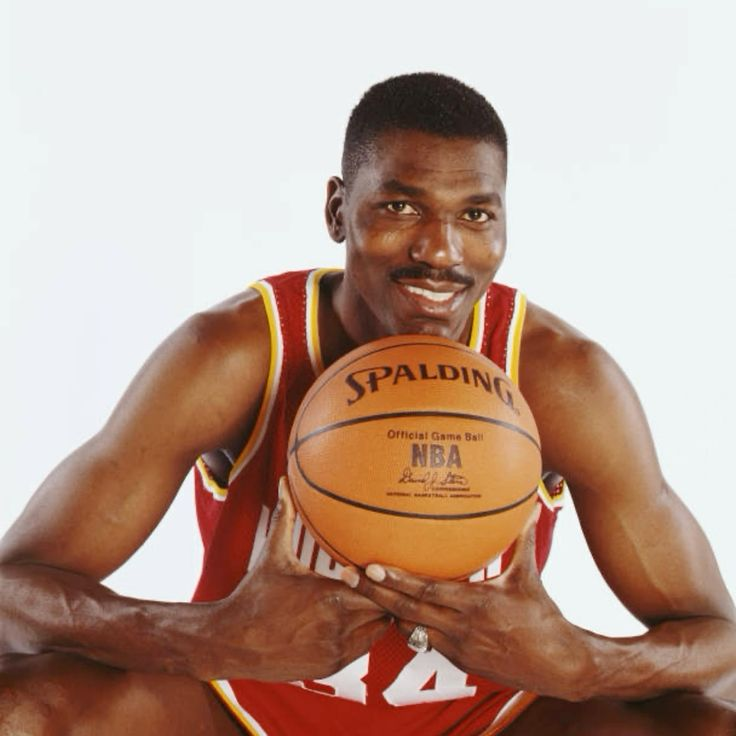
One theory about what kick-started Houston's popularity as a Nigerian destination traces the moment to Hakeem Olajuwon, formerly of the Houston Rockets, who was instrumental in giving the city its first major sports championship titles.
Before Olajuwon's rise, Nigerian migration to Houston was minimal. His visibility, his success, and his identity as a proudly Nigerian Muslim man who fasted through NBA playoffs and won, gave Houston a legibility it did not otherwise have for Nigerians contemplating where in America to build a life.
He was proof that Houston would hold a Nigerian. That it would let one succeed on his own terms without requiring him to disappear into something else.
This kind of symbolic anchor matters more in migration decisions than economists tend to acknowledge. People do not move to abstractions. They move toward recognisable possibilities. Olajuwon made Houston a recognisable possibility for Nigerians at precisely the moment when professional migration from Nigeria to the United States was accelerating.
What Alief Actually Means
The Alief and Westwood neighbourhoods of Houston, which Council Member Tiffany Thomas describes as "the cultural currency for the city," have become the geographic heart of Nigerian Houston.

Within Alief, Nigerian churches anchor entire blocks. Nigerian grocery stores stock ingredients that would take days to source in other American cities.
The social infrastructure of a functioning Nigerian community, the age-grade associations, the state unions, the owambe culture transplanted intact across the Atlantic, operates here with a density that makes the neighbourhood feel less like an immigrant enclave and more like an extension of the country itself.
"Alief is pretty much our gathering space," one Houston-born Nigerian American described it. "It basically represents a familiar cultural climate. A familiar family community connection. It's just where all of us really recognise one another."
That recognition is the thing that sustains migration patterns more than any economic calculation. A young Nigerian deciding between Houston and Atlanta is not only comparing salaries and housing costs. They are comparing the likelihood of being seen, understood, and held by people who share their reference points. Houston wins that comparison by a margin that the census cannot fully capture.
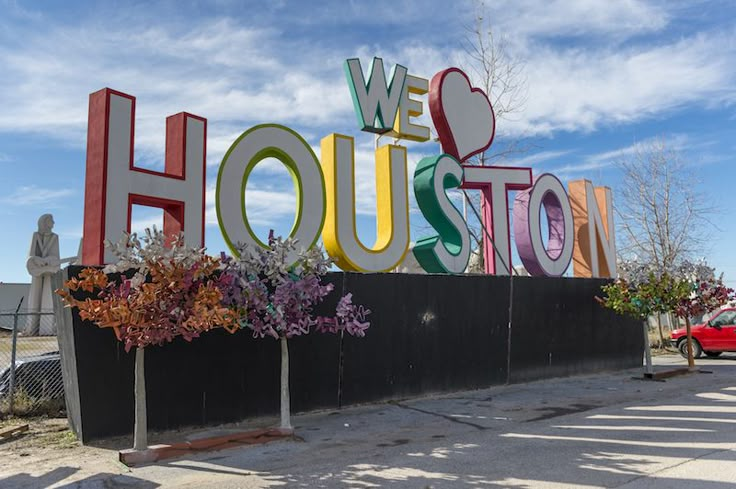
The Logic of Self-Sustaining Communities
The Nigerian Foundation of Houston, formed as a nonprofit advocacy group in 1982, estimates the Nigerian community at over 2 per cent of the city's population, with over ninety languages spoken across the community.
That number tells a story not just about size but about longevity. The community has been organised and institutionally present for over four decades.
It has had time to build the kind of infrastructure, the legal aid organisations, the credit unions, the professional networks, the church denominations, that makes the next arrival's transition significantly easier than the one before it.
This is the mechanism that turns a city into a destination: not the first generation's bravery in arriving, but the infrastructure they leave behind for the second wave. Houston's Nigerian community reached that threshold earlier than any other American city and has been compounding that advantage ever since.
The Nigerians who keep ending up in Houston are not following a random pattern. They are following a trail that was laid deliberately, built carefully, and maintained across generations by people who understood that belonging, like wealth, is something you build once and then inherit.