5 Decisions That Turned Ibrahim Traoré Into Africa's Most Talked About African Leader
Some call him Africa's next Thomas Sankara. Others call him a dangerous military ruler. Before you choose a side, look at the five decisions that have defined Ibrahim Traoré's presidency.
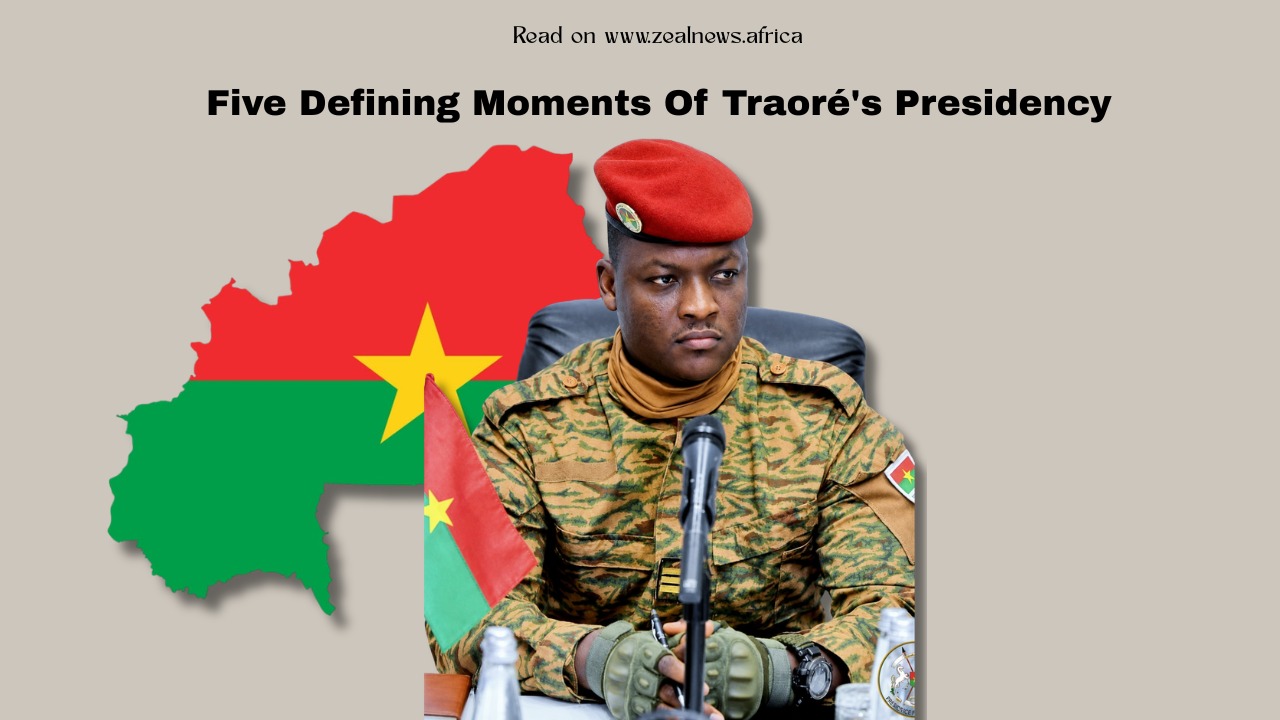
In African politics, few leaders have risen to prominence as rapidly or stirred as much debate as Captain Ibrahim Traoré. At just 34 years old when he seized power, the military officer became the world's youngest head of state, attracting admiration from some who see him as a symbol of African sovereignty and criticism from others who view him as another military ruler extending the continent's long history of coups.
On social media, Traoré is often portrayed as the leader who is "liberating Africa from neo-colonialism." His speeches have been turned into viral videos, his image appears on murals across the continent, and supporters frequently compare him to Burkina Faso's revolutionary icon, Thomas Sankara.
Yet separating fact from online mythology is essential. While many claims circulating about Traoré lack evidence or exaggerate his achievements, his government has undeniably made several significant policy decisions that have reshaped Burkina Faso's political and economic direction.
Here are five of the most consequential decisions he has made since taking power.
Who is Ibrahim Traoré?
Captain Ibrahim Traoré was born on 14 March 1988 in Bondokuy, western Burkina Faso. He studied geology before joining the Burkinabè Armed Forces, where he served in counterterrorism operations against Islamist insurgent groups that have destabilised the country since 2015.
His military service earned him recognition among fellow officers for his frontline experience.
On 30 September 2022, Traoré led a military coup that removed Lieutenant Colonel Paul Henri Damiba, who himself had seized power only eight months earlier.
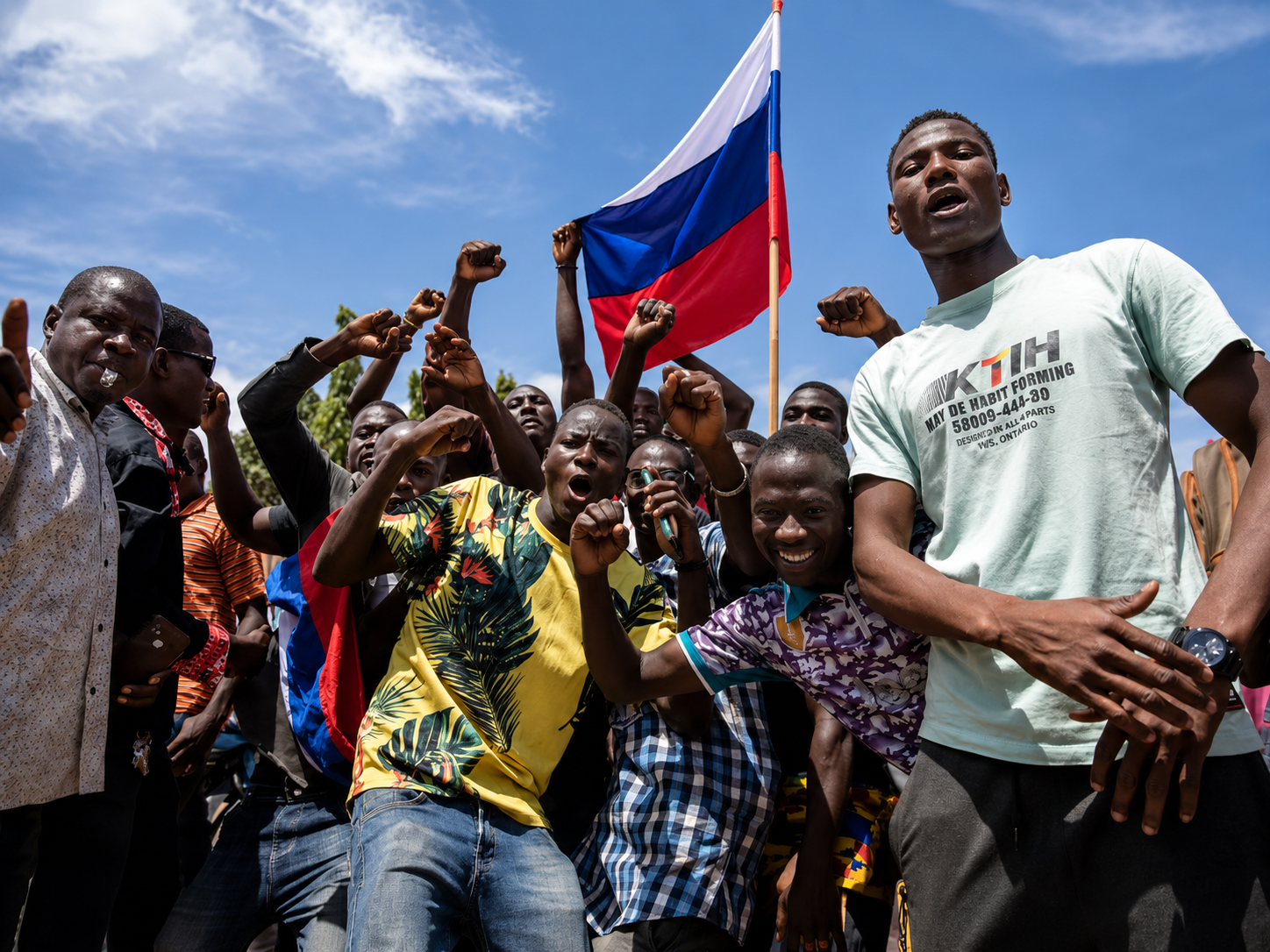
The officers behind the coup argued that Damiba had failed to improve Burkina Faso's worsening security crisis, with large portions of the country remaining under the control of armed extremist groups.
Following the takeover, Traoré was named President of the Transition, promising to restore security, strengthen national sovereignty and reduce foreign influence over Burkina Faso's affairs. Those promises have since defined his presidency.
1. Reclaiming Greater State Control Over Burkina Faso's Gold
Burkina Faso is Africa's fourth largest gold producer, yet for decades much of the wealth generated from its mines flowed to foreign companies while the country remained among the world's poorest.
One of Traoré's biggest economic shifts has been rewriting the rules governing the mining sector. His administration revised the mining code, created the state-owned mining company SOPAMIB, acquired control of selected industrial mines and announced plans to increase public ownership of the country's mineral resources.
The government argues that Burkina Faso should receive a larger share of the profits generated from its natural wealth instead of exporting raw resources while importing finished products.
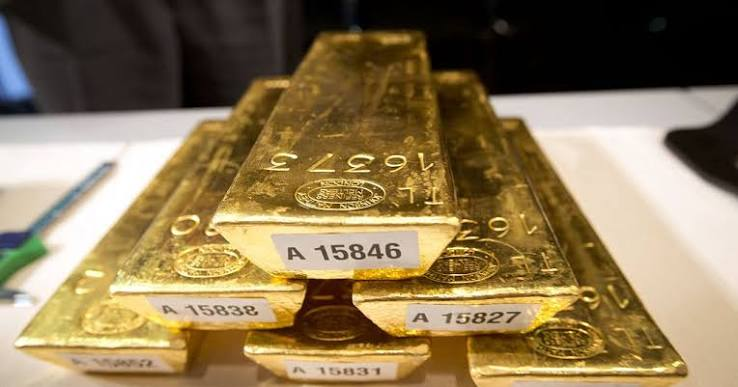
While some see the policy as economic patriotism, others warn that greater state intervention could discourage foreign investment and increase uncertainty for mining companies.
Regardless of where one stands, the decision marked one of the biggest changes to Burkina Faso's mining industry in decades.
2. Building the Country's First National Gold Refinery
Social Insight
Navigate the Rhythms of African Communities
Bold Conversations. Real Impact. True Narratives.
For years, Burkina Faso exported most of its gold abroad for refining before it entered international markets.
Traoré's government sought to change that by launching construction of the country's first national gold refinery in Ouagadougou.
The refinery is designed to allow Burkina Faso to process more of its gold domestically, keeping more value, jobs and technical expertise inside the country.
The project reflects a broader philosophy promoted by Traoré: Africa should not merely export raw materials but should build industries capable of processing and adding value locally.
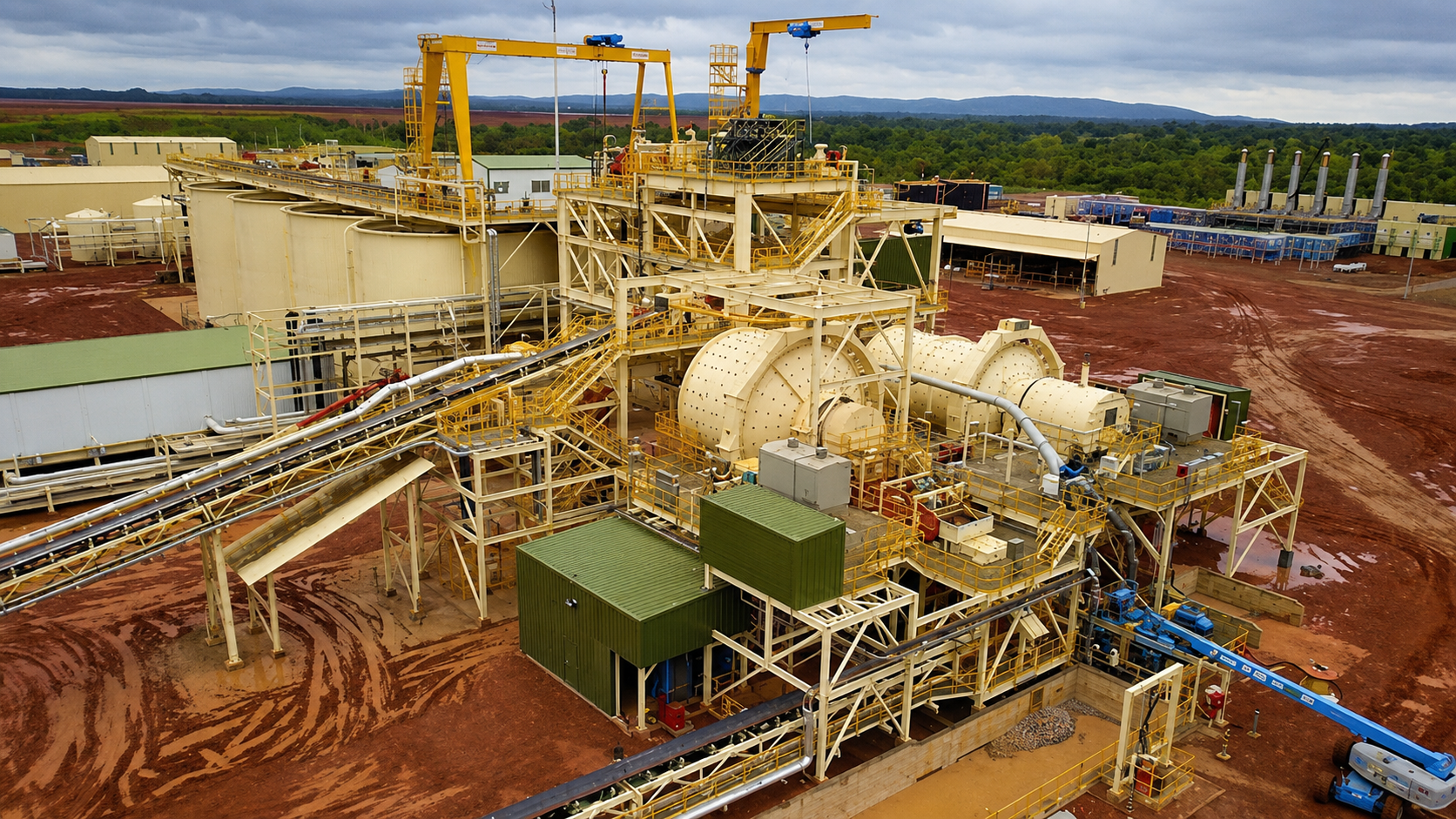
Whether the refinery ultimately transforms the economy will depend on implementation, but the project signals a deliberate shift toward industrialisation rather than dependence on commodity exports alone.
3. Ending France's Military Presence and Pursuing New Alliances

Perhaps no decision attracted more international attention than Traoré's decision to end France's military deployment in Burkina Faso.
French troops withdrew in early 2023 after the transitional government requested their departure. At the same time, Burkina Faso strengthened security cooperation with Russia and expanded military partnerships beyond its traditional Western allies.
While this represents an assertion of national sovereignty and a rejection of decades of perceived foreign influence in Francophone West Africa, some say it raised concerns about replacing one foreign dependency with another while failing to deliver meaningful improvements in security.
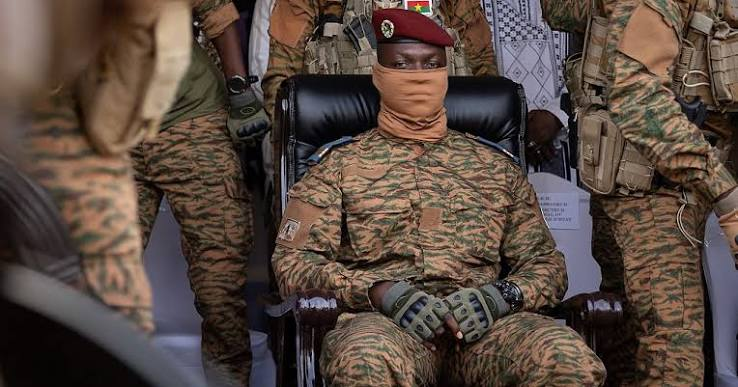
The policy nevertheless redefined Burkina Faso's place in regional geopolitics and reflected a wider shift taking place across the Sahel.
4. Creating the Alliance of Sahel States
In 2023, Burkina Faso joined Mali and Niger in establishing the Alliance of Sahel States (AES), a mutual defence and political alliance that later evolved into a confederation.
The three military-led governments also jointly withdrew from ECOWAS after disagreements over sanctions and demands for a rapid return to civilian rule.
For Traoré, the alliance represented an attempt to build regional cooperation based on shared security concerns and greater political independence.
Whether the alliance succeeds economically remains uncertain, but its creation represents one of the most important geopolitical developments in West Africa in recent years and reflects a broader effort to redefine regional integration outside traditional institutions.
5. Prioritising Agricultural Self Sufficiency
Traoré has repeatedly argued that no nation can claim true independence while relying heavily on imported food.
His administration has invested in agricultural mechanisation by distributing tractors, irrigation equipment and improved seeds while expanding support for domestic food production.
Social Insight
Navigate the Rhythms of African Communities
Bold Conversations. Real Impact. True Narratives.
Government officials agree that these programmes are intended to improve yields, strengthen food security and reduce dependence on imports.
Agriculture employs a large share of Burkina Faso's population, making productivity improvements central to the country's long-term development strategy.
Although independent assessments of the programmes' long-term impact are still developing, food production has become one of the government's flagship priorities alongside mining and security.
Conclusion
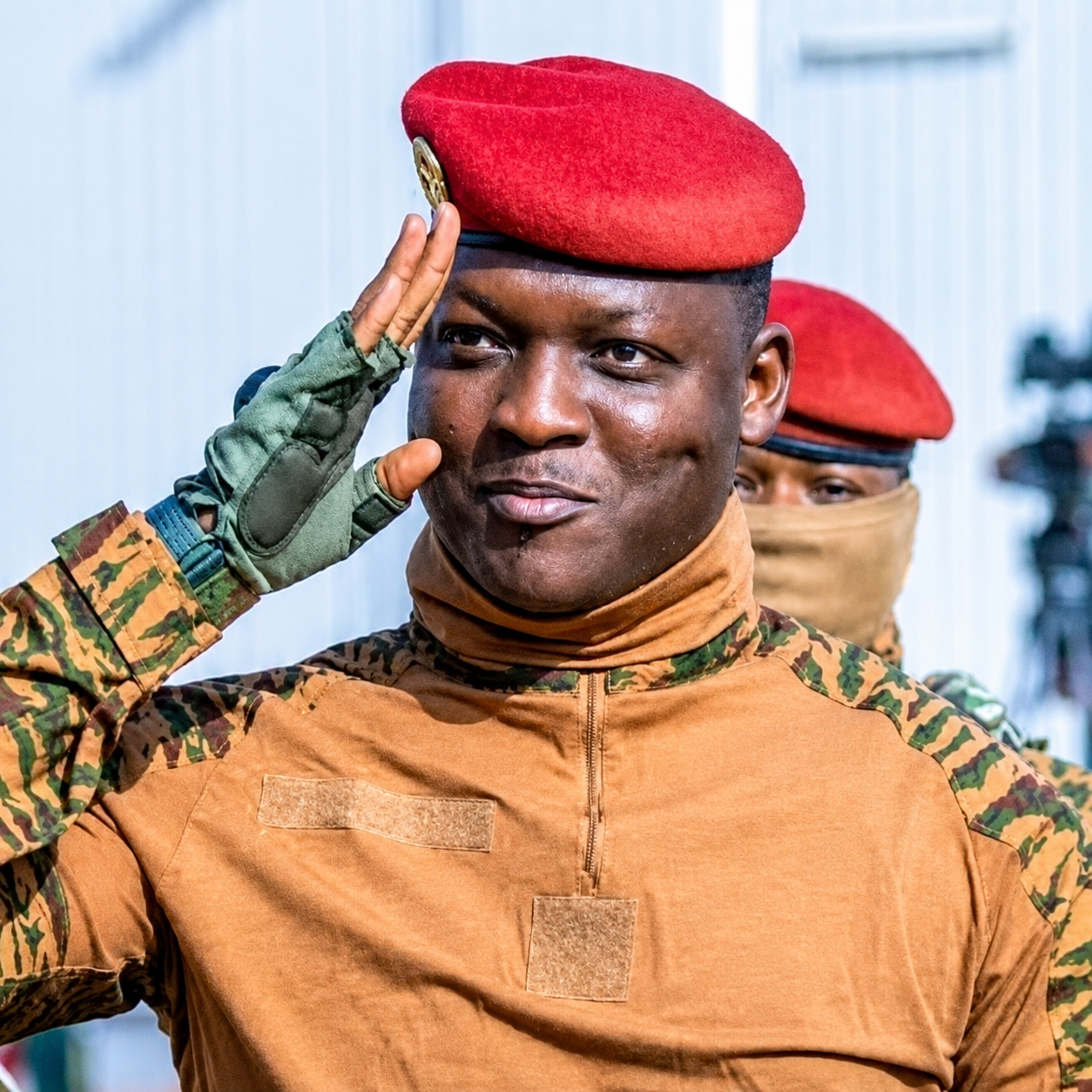
Few African leaders divide opinion quite like Ibrahim Traoré.
To supporters, he represents a generation determined to reclaim Africa's resources, challenge long-standing power structures and place national sovereignty above foreign interests.
To critics, he remains the head of a military government that has postponed elections, restricted dissent and has yet to fully resolve Burkina Faso's deep security crisis despite ambitious promises.
Violence linked to Islamist insurgencies continues to claim lives, reminding observers that political symbolism alone cannot secure peace.
History rarely judges leaders by their speeches. It judges them by what endures after they leave office.
Traoré has undoubtedly altered Burkina Faso's political trajectory. Whether those changes become a blueprint for African self-determination or another chapter in the continent's long struggle between security, democracy and economic sovereignty remains an open question.
The bigger question is this: If an African leader delivers greater control over national resources but does so under military rule, should history remember him as a liberator, an authoritarian, or both? The answer may reveal as much about Africa's future as it does about Ibrahim Traoré himself.