Olodo Uprising: Is Peller Really the Problem or Are Nigerians Just Refusing to Look in the Mirror?
The Olodo Uprising is real, but the olodo in this story is not Peller. It is every version of governance that watched its own social contract collapse and responded by finding someone else to blame. So who should we blame?

Somewhere in Nigeria right now, a professor of cardiovascular surgery is earning less than 700,000 naira a month. That is roughly 8.4 million naira a year, which is approximately what a popular streamer makes on a single good night of donations.
The professor spent at minimum twelve years in higher education, passed examinations that would make your palms sweat just reading them, and now goes home in a car that his students' favourite content creator would use as a joke prop. And we are surprised that young people are reconsidering their options.
Ycee went on the Afropolitan Podcast and called this an Olodo Uprising, and Nigeria has been arguing about it for days with the energy a country usually reserves for things it actually intends to fix. It doesn't. But the argument is instructive, not because Ycee is wrong, but because everyone involved is carefully avoiding the most uncomfortable part of the conversation.
The Contract Nobody Remembers Signing
There was a deal. It was never written down, but every Nigerian child understood it by the time they could hold a pencil. The terms were simple: go to school, study hard, pass your exams, get a degree, and the country will meet you on the other side with something resembling a future. Parents repeated it and the Teachers enforced it.
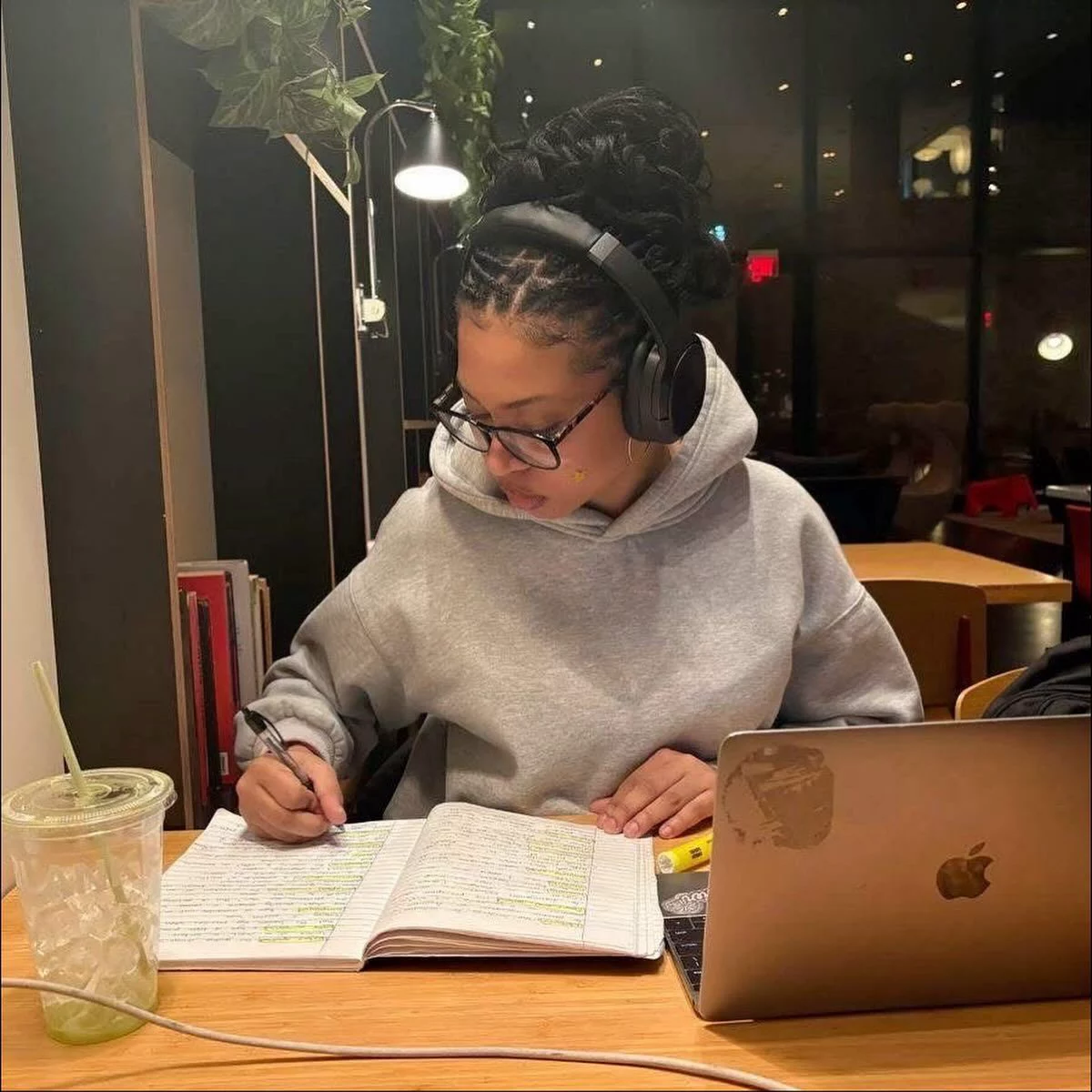
The entire social architecture of Nigerian aspiration was built on it. It was, in retrospect, an extremely confident promise for a country that had not yet figured out how to pay its teachers consistently, stock its university libraries, or keep the lights on in its examination halls.
ASUU has gone on strike so many times since 1999 that some Nigerian undergraduates have essentially experienced their university years in instalments, like a Netflix series with very long gaps between seasons and no guarantee of a finale. The National Bureau of Statistics confirmed in 2023 that over 33 percent of Nigerian graduates were unemployed.
UNICEF has consistently reported that Nigeria holds the world's largest population of out-of-school children, a figure hovering around 18 to 20 million depending on the year. These are not statistics that emerged last week.
They have been building for decades, quietly, while the country kept issuing the same promise to each new generation of children with the confidence of someone who has never once checked their account balance before making a large purchase.
Ycee is upset that young Nigerians no longer believe the promise. What he has not fully reckoned with is that the promise stopped being credible long before Peller picked up a phone and pressed live.
Peller Did Not Invent Anything, He Just Paid Attention
Peller is 21 years old. He streams, he entertains, he makes money, and he has built an audience that most legacy media institutions in Nigeria would sell several departments to acquire. He did not sit down one afternoon and decide to destroy Nigerian education.

He looked at the available options, assessed the returns, and made a rational decision in an irrational economy. That is not ignorance. That is, ironically, precisely the kind of critical thinking the education system claims to produce.
The outrage directed at Peller specifically reveals something that Nigerians are not always comfortable examining: the country is far more disturbed by people who found an exit from the broken system than by the system that is broken. Portable has multiple cars.
Peller has a platform that generates real income. Jarvis, Peller's partner, made the sharpest point in this entire debate when she said that she is a graduate, that the government did not provide jobs, and asked what exactly people were supposed to do.
Nigeria responded by debating whether she made the point correctly, which is about as Nigerian a response as it is possible to give.
Social Insight
Navigate the Rhythms of African Communities
Bold Conversations. Real Impact. True Narratives.
Daddy Freeze, whatever one thinks of his other opinions, landed squarely on this one. Peller did not break the system. He found it already broken, lying in the road, and decided to walk around it rather than sit beside it holding a degree and waiting for someone to come and fix it.
The people who broke the system are not on TikTok. They are at budget presentations. They are in procurement offices. They are at the ASUU negotiating table, leaving and returning and leaving again with the cheerful consistency of people who understand that their own children are already studying abroad.
What the Algorithm Actually Rewards
The attention economy does not distinguish between content that makes you smarter and content that makes you feel something for thirty seconds.
Algorithms are not evil. They are just indifferent, which in some ways is worse. They optimise for engagement, and engagement in the Nigerian digital space has increasingly meant conflict, spectacle, and the kind of behaviour that makes you stop scrolling because something surprised you.
The professor explaining how the cardiovascular system works does not stop your thumb. The streamer doing something outrageous absolutely does. This is not a Nigerian problem exclusively, but Nigeria’s specific economic conditions make it more acute, because the gap between what education pays and what virality pays is wider here than in most places.

The danger that Ycee is identifying is real. When a generation grows up watching influence and income flow primarily toward a particular kind of performance, it recalibrates what it aims for.
Children do not aspire to things they cannot see. If academic excellence produces invisible, underpaid professionals while online spectacle produces visible, wealthy personalities, the next generation will notice.
Children are paying attention. They always are. Nigeria has simply given them very clear information about what the country actually values, as opposed to what it claims to value during graduation ceremonies.
Nigeria will roll out a red carpet for anyone with a foreign area code and a ring light. Speed landed in Lagos and was met with grown adults asking “when did you start this your woo woo” like it was a state visit.
The same energy this country refuses to give its own professors, its own researchers, its own writers, it reserves in full for whoever went viral abroad last week. A country that cannot organise that kind of reception for its own excellence but will shut down a street for a foreign content creator has already told you everything you need to know about what it worships and what it wastes.
The Olodo Uprising is not the cause of Nigeria’s educational crisis. It is a symptom that finally became loud enough to trend. Ycee named it on a podcast. It went viral. And then Nigeria did what Nigeria does with every inconvenient mirror held up to it: argued about the mirror.
What a Country That Meant It Would Actually Do
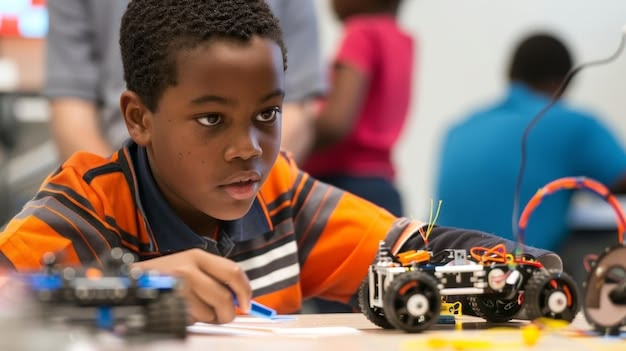
A country that genuinely believed education was its future would pay its teachers as though they mattered. Not as a political talking point during election season, but consistently, in full, on time, every month, in amounts that reflect the weight of what they are actually doing. Nigeria has 18 to 20 million children not in school right now. That number is not an abstraction. It is a generation.
A country serious about the contract it made with its children would treat that number as the emergency it is, the way it treats oil production figures, the way it treats exchange rates, the way it treats anything that has a direct line to the comfort of people who make decisions.
Instead, Nigeria is having a Twitter argument about a 21-year-old streamer. Portable is asking how many cars Ycee has. Daddy Freeze is making reasonable points that will be forgotten by Thursday.
And somewhere, the cardiovascular surgery professor is driving home, calculating whether this month's salary covers this month's fuel.
Social Insight
Navigate the Rhythms of African Communities
Bold Conversations. Real Impact. True Narratives.
The Olodo Uprising is real. But the olodo in this story is not Peller. It is not the young people who looked at the deal Nigeria offered them and decided it was not worth taking.
The olodo is any version of governance that has spent decades watching its own social contract collapse and responded, consistently, by finding someone else to blame. Nigeria built this culture through decades of deliberate disinvestment in the people it made promises to.
Ycee is right to be alarmed. He is looking at the bill. He just needs to look a little further up the table to find who ordered the meal.