Nigerians Are Marrying Everyone and Japa Might Explain Why
Are Nigerians really marrying foreigners more than other Africans? Explore Nigerian interracial marriage trends, diaspora statistics and how Japa shapes relationships abroad.
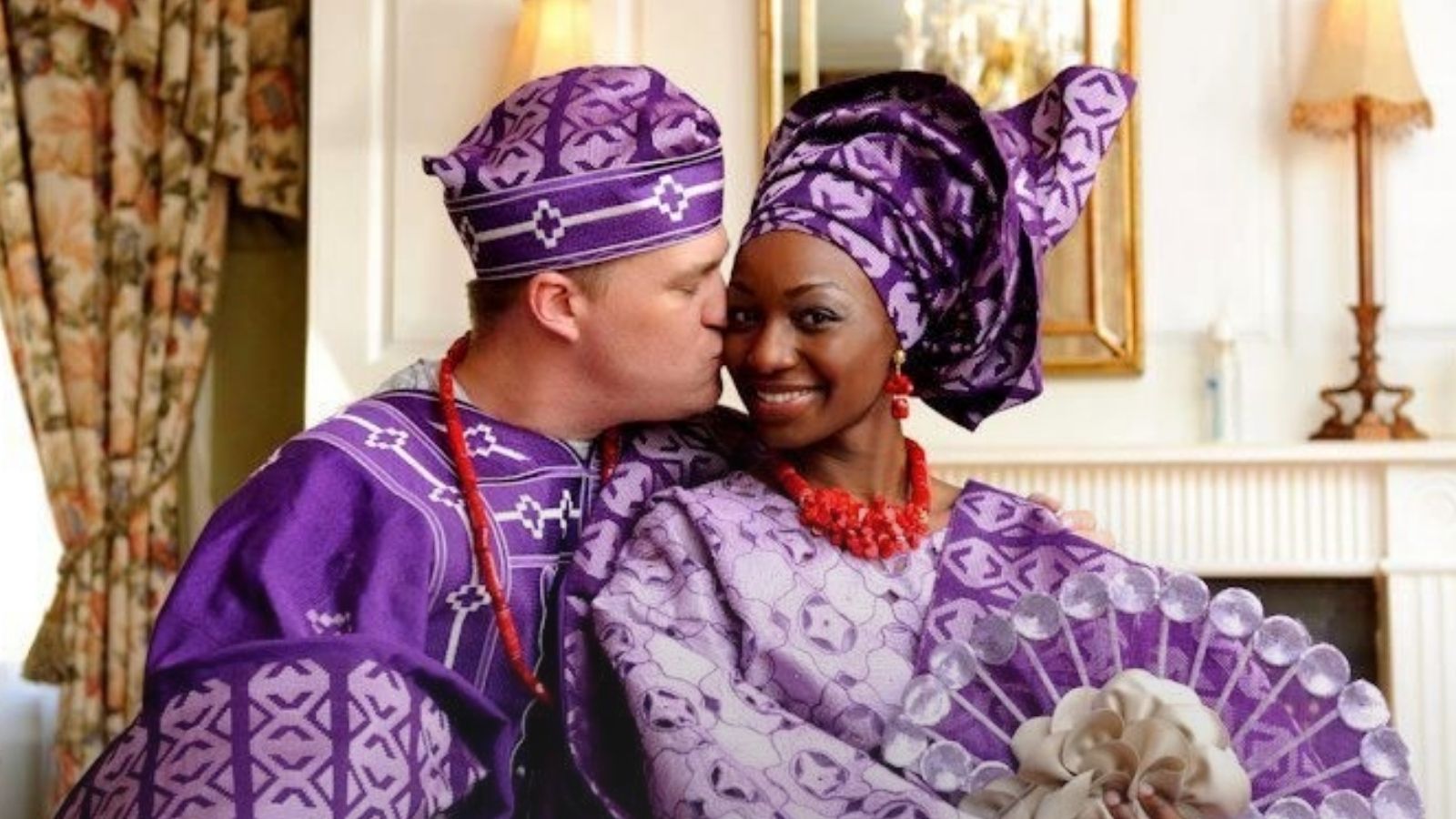
It is becoming more popular to come across a post on Tiktok or X that Nigerians are “ethnic colonisers” and no nationality is safe. The joke works because Nigerian partners really do seem to turn up in every corner of the world.
However, visibility does not equal percentage, and the numbers tell a more complicated story about Nigerian interracial marriage and the japa wave behind it.

Are Nigerians Really Marrying Foreigners at Higher Rates?
It is hard to deduce when what exists is scattered data sets to back it up. Among first-generation Nigerian immigrants in the United States, about 78% of married peoplehave a Nigerian spouse.
Among their American-born children, the marriage split became almost even: a third marry Nigerians, a third marry other Black partners, and a third marry outside both groups.
Europe points the same way. Nigerian-specific figures are thin, but research across European countries shows that migrants from outside the EU tend to have high rates of co-ethnic marriage and low rates of intermarriage.
Meanwhile, the Nigerian-born population in the UK has more than tripled since 2001 to over 293,000. A community that size can find Nigerian partners without trying.
Nigerian Interracial Marriage Data: What We Still Don’t Know
Nigeria does not publish how many citizens marry foreigners, most host countries do not break marriages down by Nigerian origin, and the strongest studies are American.
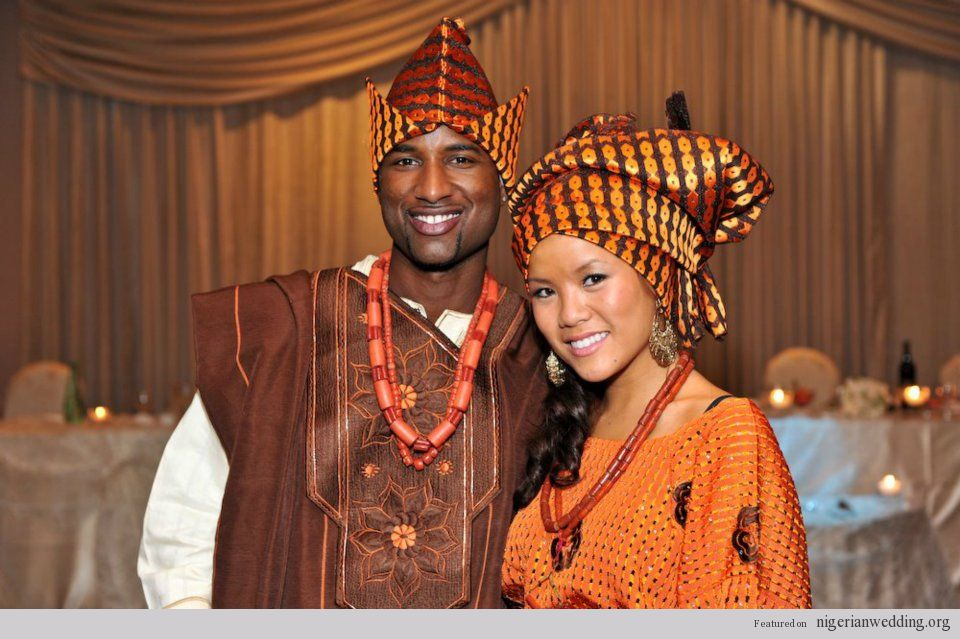
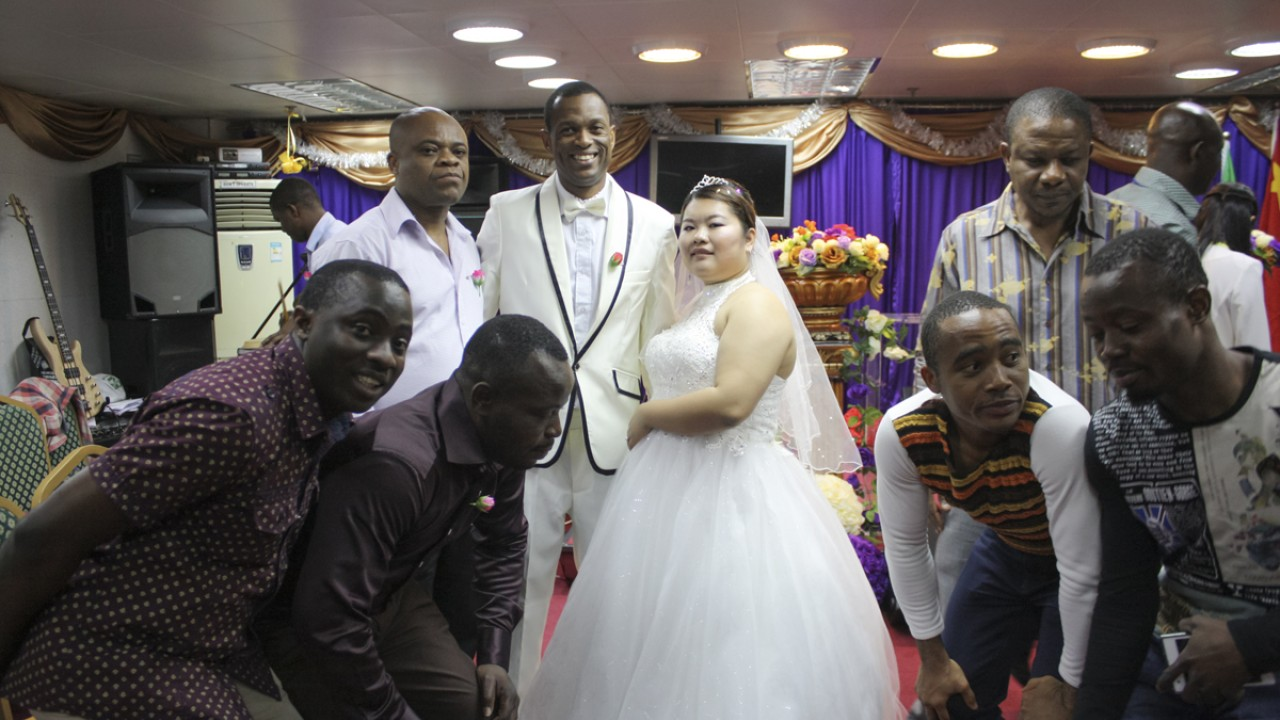
Asia is even blurrier. Nigerians make up the largest share of intermarried Africans in Guangzhou, home to Asia’s biggest African community, yet there are no official figures on Afro-Chinese marriages.
Social Insight
Navigate the Rhythms of African Communities
Bold Conversations. Real Impact. True Narratives.
In South America, there is no credible data on modern Nigerian marriages at all. The famous Brazil connection is historical, running through Afro-Brazilian returnees who settled in Lagos in the 1800s.
So nobody can honestly say what share of Nigerians marry foreigners worldwide. What we can say is where the evidence points.
How Nigeria Compares With Other African Countries
At home, Nigerian marriage is highly endogamous. About nine in ten couples marry within their own ethnic and religious group.
Across Sub-Saharan Africa, inter-ethnic marriage averages roughly one in five marriages, and Ghana records higher rates than Nigeria. For comparison, about 17% of new US marriages in 2015 crossed racial or ethnic lines.

Inter-ethnic marriage inside a country is not the same as marrying a foreigner, but it reveals the cultural baseline. Nigerians are not unusually open to marrying out. They are just unusually numerous abroad.
Why Nigerians Seem to Be Everywhere
The population does most of the work. Nigeria is Africa’s most populous country, and the Nigerian-born population in the US passed 476,000 in 2023, a rise from under 200,000 in 2006.
If the UK, alongside communities of over 100,000 in Canada and Italy, are added, a modest intermarriage rate still produces visible couples on every continent.
Culture amplifies it. Afrobeats, Nollywood and jollof wars make Nigerians easy to spot online. A Nigerian married to a Norwegian becomes a viral video, while the thousands of Nigerian couples marrying quietly never trend.
Does Japa Explain Nigerian Intermarriage?
Studies of immigrants in North America and Europe link intermarriage to years in the country, age at arrival, education and the size of the community. Smaller groups and lopsided gender ratios intermarry more.
Japa has pushed young, educated Nigerians into small university towns, hospitals and tech jobs where there may be few Nigerian partners nearby.
Guangzhou shows how opportunity works. Many African migrants there are male traders, and a Chinese spouse can bring business ties and local networks as well as family, which is why researchers debate how much of it is romance and how much is strategy. Then there is the second generation, which grew up outside a Nigerian-only marriage market and marries across lines far more often.
Is Brain Drain Behind the Marriage Mix?
Social Insight
Navigate the Rhythms of African Communities
Bold Conversations. Real Impact. True Narratives.
Brain drain changes who you meet, not who you love. Some researchers read Afro-Chinese unions as a business strategy, while others document real families raising mixed children.
One Guangzhou study found that few intermarried Africans actually adapted better because of their marriage. In the US, intermarriage is linked with higher earnings among African immigrants, which feeds the “marrying for papers” suspicion, but a link is not a motive.
Many Nigerian parents also still push for Nigerian spouses. Japa widens options. It does not erase preferences.
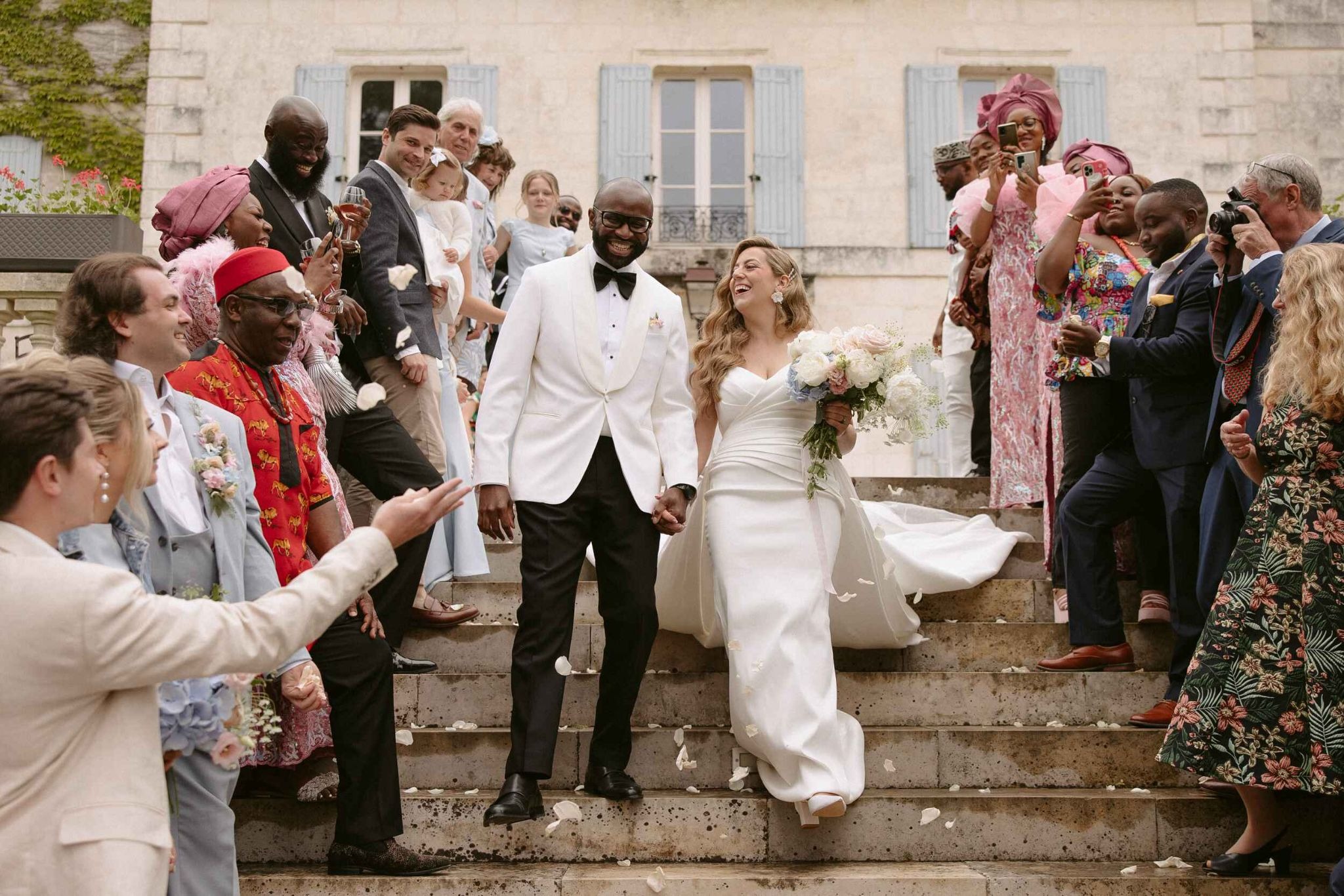
What the “Ethnic Colonisers” Narrative Misses
As much as the joke is hilarious, it also flattens a migration story into a punchline. Most Nigerians leave for better pay, safety and stable systems. Intermarriage is a side effect of that exodus, and it often comes with real costs.
Nigerian husbands in Guangzhou report discriminationand live with limited citizenship rights, and their mixed-race children face uncertain acceptance.
Every migrant group follows the same rules. An older Dutch study found that over 85% of marriages involving Turkish and Moroccan nationals were within the same nationality. Size, opportunity and culture shape these choices everywhere.
Conclusion
Nigerians are not marrying everyone. Most married first-generation Nigerians abroad still marry Nigerians, and at home about nine in ten couples marry within their group.
What is true is that the Nigerian diaspora is huge, young, educated and scattered, and its children cross lines more often than their parents did.
Japa did not create an appetite for foreign spouses. It created the numbers and exposure that make the stereotype look true. The real conversation is about why so many left.
Social Insight
Navigate the Rhythms of African Communities
Bold Conversations. Real Impact. True Narratives.