Nigerian Telecoms Crisis Deepens: Over 900 Network Failures in Q1 2026
Nigerian telcos endured 577 network outages in Q1 2026, significantly impacting service quality, with MTN Nigeria and Backbone Connectivity Network reporting the most incidents. Fibre cuts and power outages were identified as primary causes. Authorities are implementing measures, including subscriber compensation and anti-vandalism campaigns, to address these issues and enhance service reliability.
In response to these persistent challenges, regulatory bodies and security agencies have initiated efforts to curtail network outages.
The Nigerian Communications Commission (NCC) recently launched a coordinated industry-wide monitoring and reporting framework aimed at improving accountability and response times among operators.
This initiative is designed to ensure that outages are logged in real time, investigated promptly, and resolved within clearly defined service-level timelines.
The Commission has also intensified collaboration with the Office of the National Security Adviser and law enforcement agencies to address the growing incidents of fibre cuts and vandalism.
Telecom infrastructure has increasingly been recognised as critical national infrastructure, a classification that allows for stricter penalties against vandalism and better protection measures across the country.
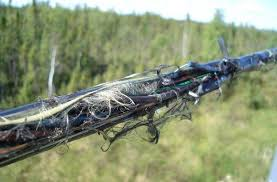
Industry stakeholders have repeatedly emphasised that a significant proportion of fibre cuts are not accidental but result from road construction, urban development projects, and poor coordination between telecom operators and construction firms.
As a result, there have been renewed calls for better enforcement of "Right of Way" policies and improved mapping of underground fibre networks to prevent avoidable damage.
Power instability remains another structural issue.
Many base stations still rely heavily on diesel generators due to inconsistent electricity supply, increasing operational costs and vulnerability to outages.
Telcos have continued to advocate for more stable power infrastructure and, in some cases, are investing in hybrid energy solutions, including solar-powered sites, to reduce dependence on the national grid.
Despite the responsiveness shown in resolving most outages within 24 hours, the frequency of disruptions raises broader concerns about service reliability in a country where digital connectivity is increasingly essential for banking, education, commerce, and governance.
For millions of subscribers, even short periods of downtime can translate to lost income, missed opportunities, and reduced productivity.
The data from the first quarter of 2026 underscores a critical reality: while Nigeria's telecommunications sector has expanded rapidly, its supporting infrastructure remains fragile.
Addressing the root causes of these outages—particularly fibre damage, power instability, and infrastructure security—will be key to improving network resilience and ensuring consistent service delivery in the months ahead.