Nigeria Aviation Sector Reports Explosive 21.7% Growth
Nigeria leads Africa with a 21.7% surge in domestic seat capacity in June 2026, outpacing every major African market as airlines expand fleets, routes, and access across the country.
Nigeria has firmly established itself as a leading force in Africa's aviation sector, demonstrating the fastest domestic seat capacity growth on the continent in June 2026.
Data from the global aviation analytics firm, OAG, reveals a remarkable 21.7 percent year-on-year increase in Nigeria's domestic seat capacity, surpassing all other major African markets.
This significant surge signals a powerful resurgence and a rapidly maturing domestic travel market, positioning Nigeria as one of Africa's most dynamic aviation environments.
The OAG data, which analyzed scheduled flight capacity across regional carriers in June 2026, clearly indicates an Nigerian aviation industry in an expansionary phase.
Beyond domestic figures, Nigeria also led Africa's Top 10 aviation markets in overall capacity growth, achieving a robust 21.3 percent year-on-year increase.
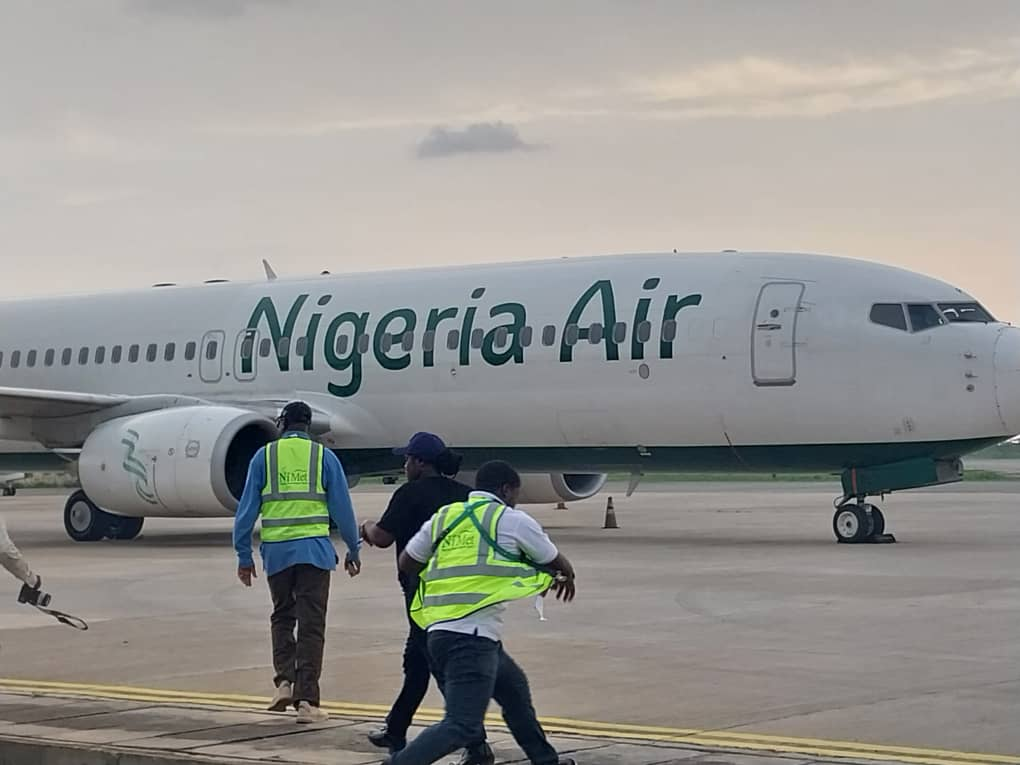
This impressive performance is primarily driven by the strong expansion in domestic seat capacity, underscoring the vital role of internal connectivity as a cornerstone for sustainable aviation growth.
For African tourism professionals, these statistics hold profound implications. Enhanced domestic seat capacity directly translates into greater flexibility for travelers, more competitive pricing structures, and improved schedule reliability across Nigeria's key routes.
Given Nigeria's vast geography, encompassing major commercial centers like Lagos, the capital Abuja, historic hubs such as Kano and Kaduna, and emerging tourism destinations like Calabar and Port Harcourt, this expansion creates new opportunities for tour operators, business travel managers, and inbound agencies to craft more appealing Nigerian itineraries.
The growth also reflects a deeper transformation within the Nigerian airline industry. Several carriers, including Air Peace, Ibom Air, Aero Contractors, Arik Air, Green Africa, ValueJet, and United Nigeria Airlines, have played crucial roles in boosting domestic capacity.
These airlines have steadily expanded their fleets, introduced new routes, and invested in digital tools to enhance customer experience. The healthy blend of full-service and low-cost models is broadening access, encouraging more Nigerians to opt for air travel over road journeys.
This momentum in Nigeria's domestic aviation growth is further supported by broader economic and demographic factors.
As Africa's most populous nation with over 220 million people, Nigeria boasts a rapidly expanding middle class and a youthful population increasingly adept with digital booking platforms.
As affordability improves and service standards rise, demand for domestic air travel is projected to continue climbing, generating long-term opportunities for both airlines and the wider tourism value chain.
Equally significant is the role of effective regulation in facilitating this expansion. The Nigeria Civil Aviation Authority (NCAA) has been proactive in strengthening consumer protection frameworks, closely monitoring airline performance, and collaborating with operators to address service gaps.
This regulatory diligence builds passenger confidence, an essential element for a thriving aviation market. As more travelers experience reliable, well-managed flights, repeat business naturally follows, further fueling capacity expansion.
For tourism stakeholders across sub-Saharan Africa, Nigeria's success story offers valuable insights. Domestic aviation growth is a reliable indicator of a maturing tourism economy, with ripple effects benefiting hotels, restaurants, transport providers, attractions, and event venues.
Destinations that successfully cultivate strong domestic aviation markets often develop resilient tourism ecosystems capable of weathering global shocks and shifts in international demand.
In a broader continental context, while Nigeria leads, the underlying trend of increasing domestic capacity across Africa's top markets points to a widespread transformation.
African carriers are increasingly recognizing that the future of aviation lies not solely in long-haul international routes, but in deep, well-developed domestic and regional networks that connect Africans more efficiently.

Moving forward, the next phase of Africa's aviation growth will likely be defined by collaborative efforts among airlines, regulators, and tourism authorities to translate capacity gains into meaningful traveler experiences.
For Nigeria, the current momentum provides a powerful foundation, and for the rest of the continent, the message is clear: investing decisively in domestic and intra-African connectivity today will best position airlines and destinations to capture tomorrow's enormous travel demand.