Robinhood CEO Confronts Crypto Hack Controversy Head-On
Robinhood CEO Vlad Tenev's X account was recently compromised, used by hackers to promote a fake crypto scheme, an incident he addressed upon his return. This event highlights a recurring pattern of high-profile social media hacks, previously affecting figures like Elon Musk and the SEC, aimed at promoting fraudulent tokens or giveaways. Tenev reiterated that Robinhood has not issued any tokens, urging users to exercise caution.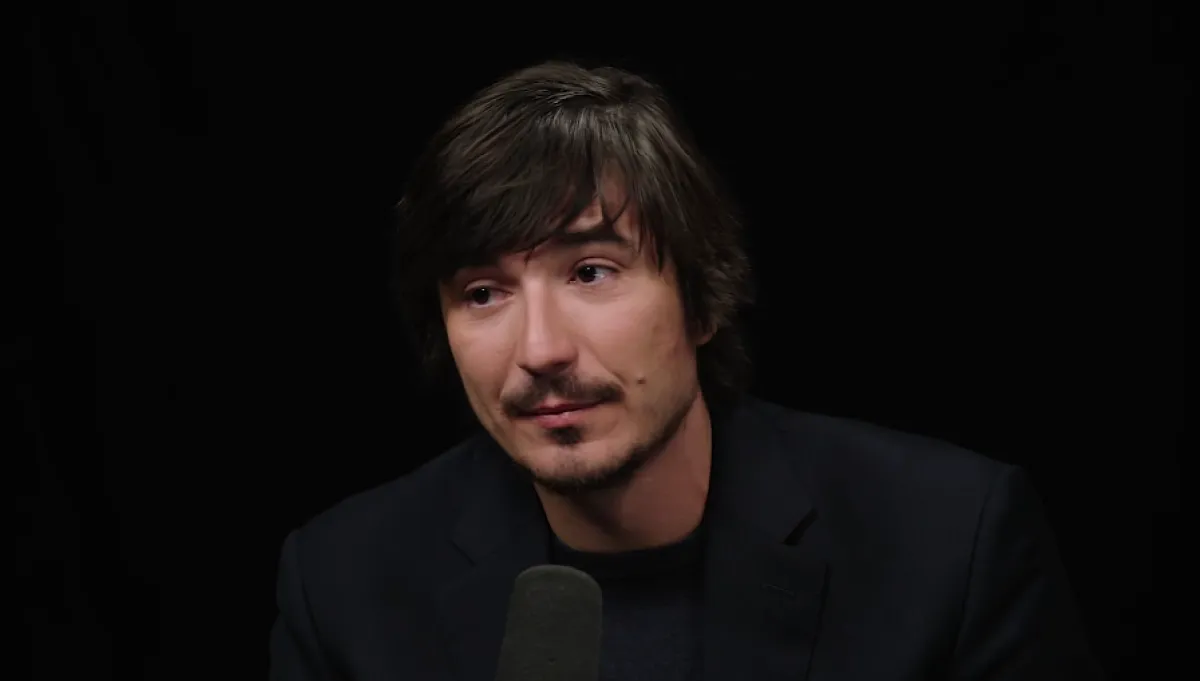
Robinhood CEO Vlad Tenev recently addressed the compromise of his X account, which hackers utilized to promote a fraudulent cryptocurrency scheme. Upon his return to the platform on Thursday, Tenev publicly stated that Robinhood was actively "awaiting details" from X to gain a deeper understanding of the security breach. Crucially, he clarified that despite Robinhood's extensive involvement in the cryptocurrency sector, the trading giant has not, and did not, launch any cryptocurrency token. Tenev's post, reiterating this critical information, urged users to "Stay safe out there."
Robinhood's communications team swiftly confirmed the incident, detailing that Tenev’s X account had indeed been compromised to advertise a bogus meme coin. The company immediately engaged with X to restore account access and ensure the swift removal of the misleading promotional post. This incident quickly became a 'HOT Story,' underscoring the ongoing challenges and security risks associated with high-profile social media accounts in the crypto space.
The methodology behind this particular hack follows a familiar and concerning pattern frequently observed in crypto-related account breaches. In such scenarios, attackers gain unauthorized control over influential social media profiles belonging to prominent individuals or organizations. Their primary objective is to promote fake tokens, conduct bogus giveaways, or spread misleading information, all with the intent of luring unsuspecting and uninformed victims into fraudulent schemes. This tactic leverages the established credibility of the compromised account to lend an air of legitimacy to the scam.
Numerous high-profile cases over recent years illustrate the pervasive nature of this threat. A notable incident occurred in 2020 when hackers managed to access dozens of prominent X accounts, including those linked to figures like Elon Musk, to advertise a fake Bitcoin (BTC) giveaway. More recently, in September 2023, Ethereum co-founder Vitalik Buterin’s X account fell victim to a similar attack, being used to promote a fraudulent NFT giveaway, further highlighting the vulnerability of even the most recognized figures in the crypto world.
In some instances, hackers employ more sophisticated and impactful strategies. A particularly striking example involved the U.S. Securities and Exchange Commission’s (SEC) official X account, which was compromised to prematurely and falsely announce the approval of spot Bitcoin ETFs. This erroneous announcement had a significant, albeit brief, market impact, causing the price of Bitcoin (BTC) to surge sharply higher before the truth emerged. Another recent incident saw Airbnb CEO Brian Chesky reveal that his X account had been compromised, with hackers publishing an extensive thread discussing blockchain-based tokenization and real-world assets. This particular breach sparked questions among observers regarding the hacker's unusual choice to promote tokenization rather than a direct giveaway scam, suggesting a potentially different motive or a more complex strategy.
These repeated compromises of high-profile social media accounts underscore the persistent and evolving threat landscape within the digital sphere, particularly for individuals and entities associated with the cryptocurrency and technology sectors. They serve as a stark reminder of the critical need for robust cybersecurity measures, continuous vigilance, and user education to combat increasingly sophisticated phishing attempts and digital scams.