Nigeria's First Goalkeeper: The Man They Called the "Black Magnet"
The history of Nigeria’s first goalkeeper, who sailed to Britain barefoot, became known as the “Black Magnet” and conceded just five goals in nine years.
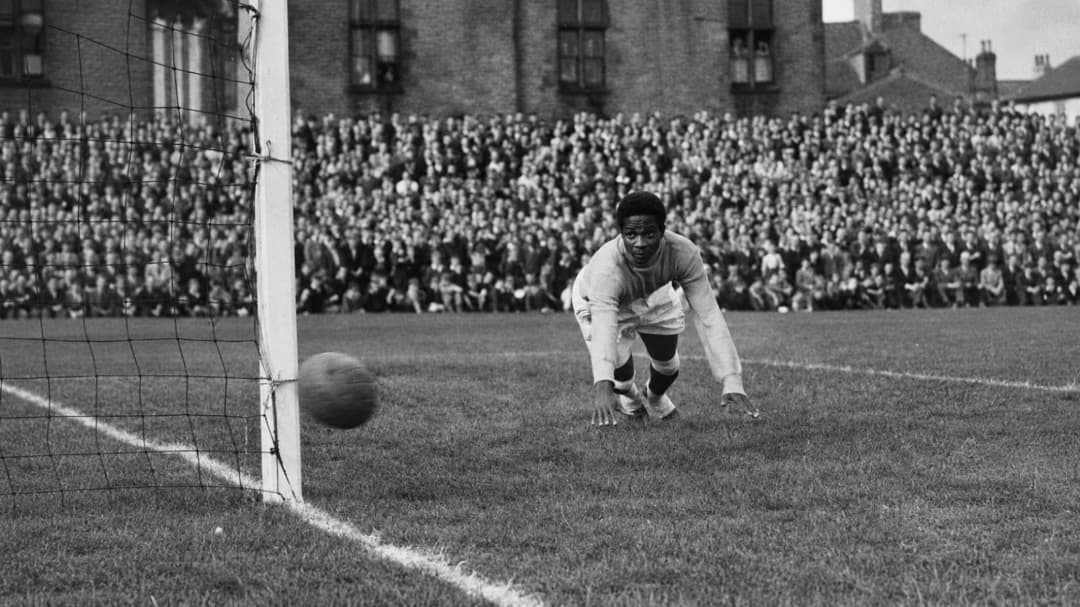
Sam Henshaw Ibiam was widely regarded as Nigeria's first national-team goalkeeper. In nine years with Nigeria, he conceded just five international goals, all against Ghana. He was known as "The Black Magnet", and some also called him "The Cat."
How Sam Ibiam Got His Chance
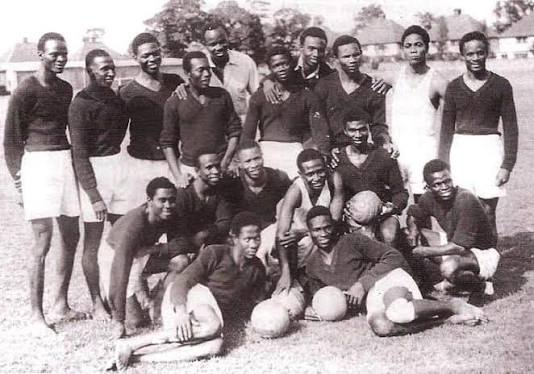
Ibiam made his name with Port Harcourt XI, where his performances in the Governor's Cup earned him a place in Nigeria's first football tour of the United Kingdom in 1949. He was one of 18 players selected for the trip.
On August 16, the team boarded the RMS Apapa and arrived in Liverpool 13 days later. The players were known as the UK Tourists, and Ibiam was one of two goalkeepers in the squad.
Nigeria Goes to Britain
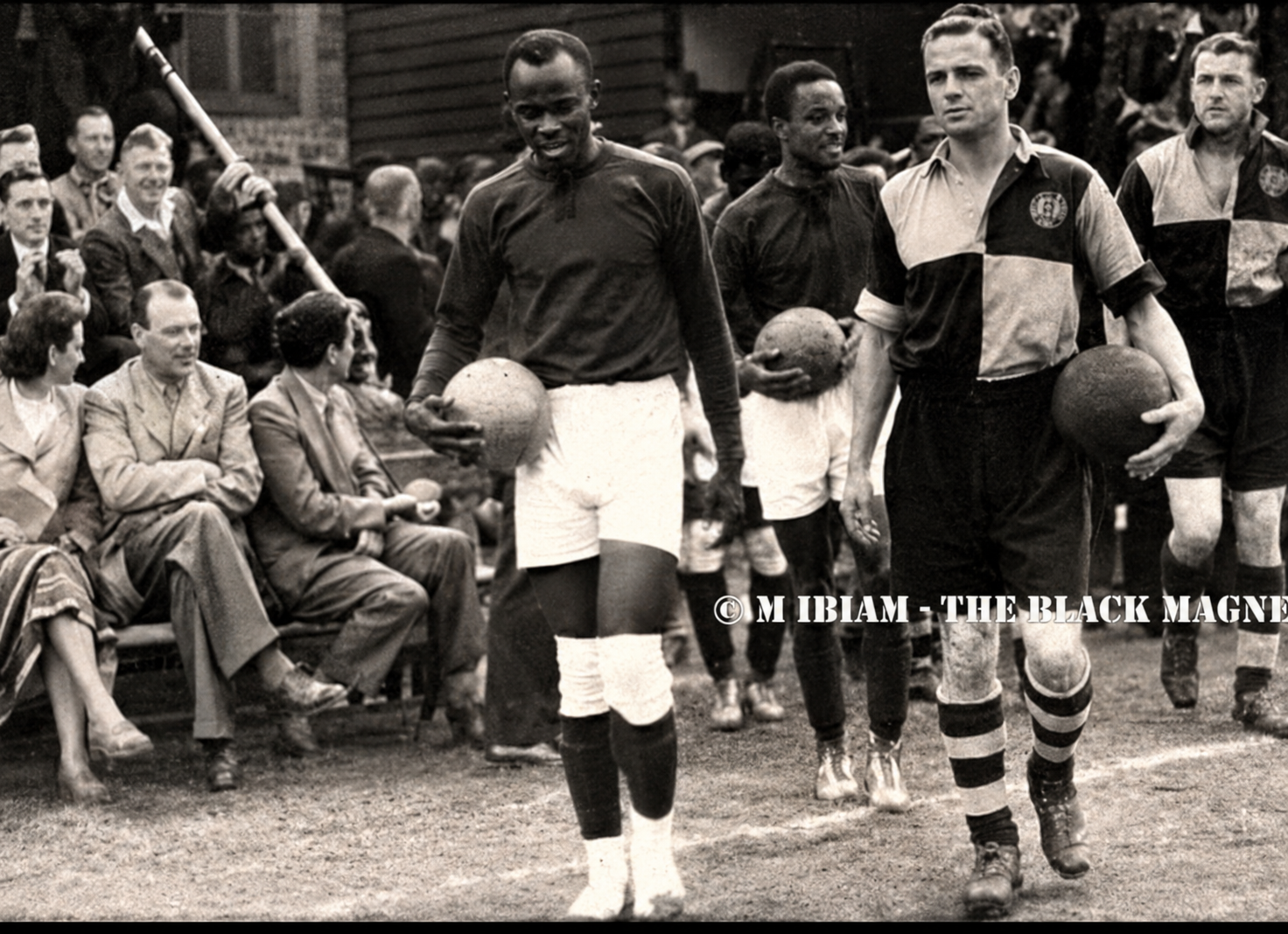
They played nine matches against English amateur clubs and representative sides, winning two, drawing two and losing five. On hard pitches, most of the players preferred to play barefoot, while boots were used on softer ground.
Their first match, against Marine Crosby in Liverpool,drew a capacity crowd of about 7,000. They walked onto the pitch without boots and won 5–2. A surviving film shows the players coming out barefoot, with photographer Charles Hewitt also focusing on their feet before the matches.
Against the Athenian League XI, the conditions were wet and slippery, and the players were required to wear boots. They lost 8–0.
Many of the players were civil servants and teachers, travelling across the Atlantic to represent Nigeria on English pitches.
Ghana Was the Exception
Nigeria's first official international match came in Freetown on October 8, 1949, against Sierra Leone. Ibiam was in goal for the 2–0 victory.
After missing Nigeria's next international in 1951, Ibiam returned in 1956 and kept another clean sheet as Nigeria defeated Togo 1–0. He followed it with another shutout in a 3–0 victory over Gold Coast, now Ghana.
By the time his international career ended in 1958, Ibiam had conceded just five goals in nine years with Nigeria. Ghana was responsible for every one of them.
The first came in a 3–3 draw with Ghana in Accra on October 27, 1957, eight years after his international debut. A year later, he faced Ghana again in his final appearance for Nigeria, a 3–2 victory in Lagos that won the Jalco Cup.
Ibiam also played for Africa Great Olympics in Accra from 1954 to 1958. One of his teammates was Ghanaian goalkeeper Edward "Dodo" Ankrah, who later became Ghana's national goalkeeper. Historical accounts identify Ankrah as Ibiam's reserve at Great Olympics.
Beyond the Goalposts
History
Rewind the Stories that Made Africa, Africa
A Journey Through Time, Narrated with Insight.
He played club football for Railway FC, Pan Bank and SCOA XI before moving to Accra. He later returned to Nigeria and played for Onitsha Redoutable.
After leaving playing football, he moved into coaching, including a spell with Aba XI and later work with the Nigerian Broadcasting Corporation.
In 1987, he was among the former sports stars recognised at the First National Sports Award for Sports Heroes and Heroines of Yesteryear.
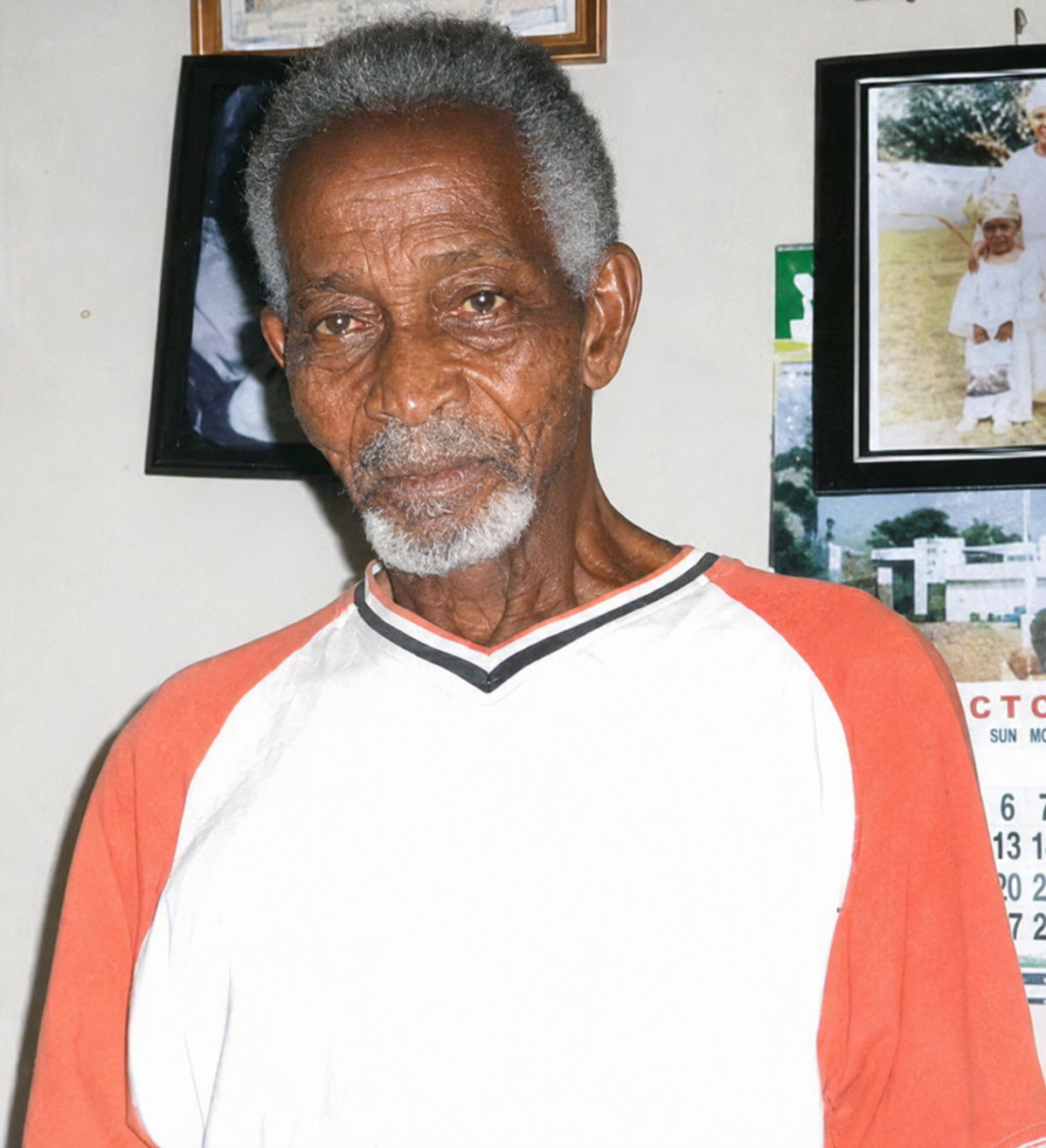
In a2010 interview with Vanguard, Ibiam explained why he had lost interest in football. He said the government had not recognised what the old players had done for Nigeria.

He recalled that after former sportsmen were honoured in Lagos in 1987, they were promised cars so they could travel to stadiums to watch matches. The cars never came. He said attempts to follow up on the promise were met with officials and aides avoiding them.
He died on December 2, 2015, aged 90.
His burial in April 2016 also brought attention to the way his family struggled to secure support for the funeral. His son said the family had approached the NFF and Sports Ministry for assistance and had been promised help, but no funds came in by the time of the burial. Officials from both bodies were also reported to have been absent.
The goalkeeper who helped start Nigeria's national football story was gone, and the officials they had approached were not there when he was laid to rest.