Nigeria Plunged Into Darkness: National Grid Collapses Again, Restoration Efforts Underway
Nigeria's national electricity grid suffered another collapse on Friday, marking the first in 2026 and plunging the country into widespread darkness. This incident, which saw power generation drop to extremely low levels, highlights a recurring pattern of grid failures, following similar collapses in late 2025 and earlier that year.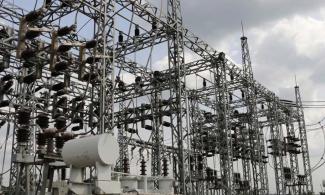
Nigeria's national electricity grid experienced another collapse on a recent Friday, plunging the country into widespread darkness. This incident, marking the first grid failure in 2026, underscores the persistent fragility of the nation's power infrastructure, following a series of similar occurrences in the preceding year.
Initial reports confirmed that power generation dropped to extremely low levels, with some data indicating it fell to zero megawatts, forcing a near-total shutdown across the country. By early Friday afternoon, load allocation to all 11 electricity distribution companies (DisCos) nationwide had plummeted.
The Nigerian National Grid, via its verified X (formerly Twitter) account, reported that only the Ibadan Electricity Distribution Company (IBEDC) recorded a minimal allocation of 20MW. In contrast, Abuja DisCo, Benin DisCo, Eko DisCo, Enugu DisCo, Ikeja DisCo, Jos DisCo, Kaduna DisCo, Kano DisCo, Port Harcourt DisCo, and Yola DisCo all registered 0MW. The Eko Electricity Distribution Company later announced the commencement of restoration efforts, progressively bringing feeders back online as grid supply normalized.
This latest failure occurred barely three weeks after the already fragile electricity system slipped into emergency mode on December 29, 2025, when the national grid failed and left most distribution companies without power supply. During that incident, total electricity generation plunged dramatically within one hour, falling from 2,052.37 megawatts to just 139.92 megawatts between 2 p.m. and 3 p.m., signaling a major system disturbance.
The sharp decline immediately resulted in uneven power allocation across the country. Out of the 11 electricity distribution companies, the Nigerian Independent System Operator (NISO) reported that only three were able to take any load at the time, with total allocation standing at just 120MW nationwide. IBEDC received the largest share at 80MW, while Abuja Electricity Distribution Company (AEDC) and Benin DisCo each took 20MW; all other distribution companies were unable to load power from the grid.
The year 2025 was marked by multiple grid failures, highlighting a troubling pattern. On September 10, 2025, the national grid collapsed again, plunging the country into darkness. Similarly, in March 2025, the national power grid suffered another major collapse that affected several parts of the country, including Lagos. This particular incident occurred just days after the Federal Government celebrated what it described as a “historic rise” in power generation to 6,000MW. However, the sudden grid disturbance later saw power generation plummet below 1,000MW, down from approximately 4,000MW earlier before the incident.
These repeated failures underscore the dire need for improvements in Nigeria's electricity system, despite ongoing upgrades aimed at enhancing grid stability and capacity. Prior to the recent collapse, efforts were underway to bolster the grid, including the Niger Delta Power Holding Company (NDPHC) restoring an additional 450 megawatts to the grid after completing scheduled maintenance at the Geregu National Integrated Power Project plant.
Furthermore, NISO disclosed that it conducted a synchronisation test on November 9, 2025, in partnership with the West African Power Pool Information and Coordination Centre, as part of efforts to integrate Nigeria’s grid with the regional power network.