Nigeria Faces Growing Concern as Lassa Fever Death Toll Increases
Lassa fever is spreading again in Nigeria, with over 200 deaths reported and cases rising across several states. Health officials are racing to contain the outbreak, but can the system stop it before it gets worse?
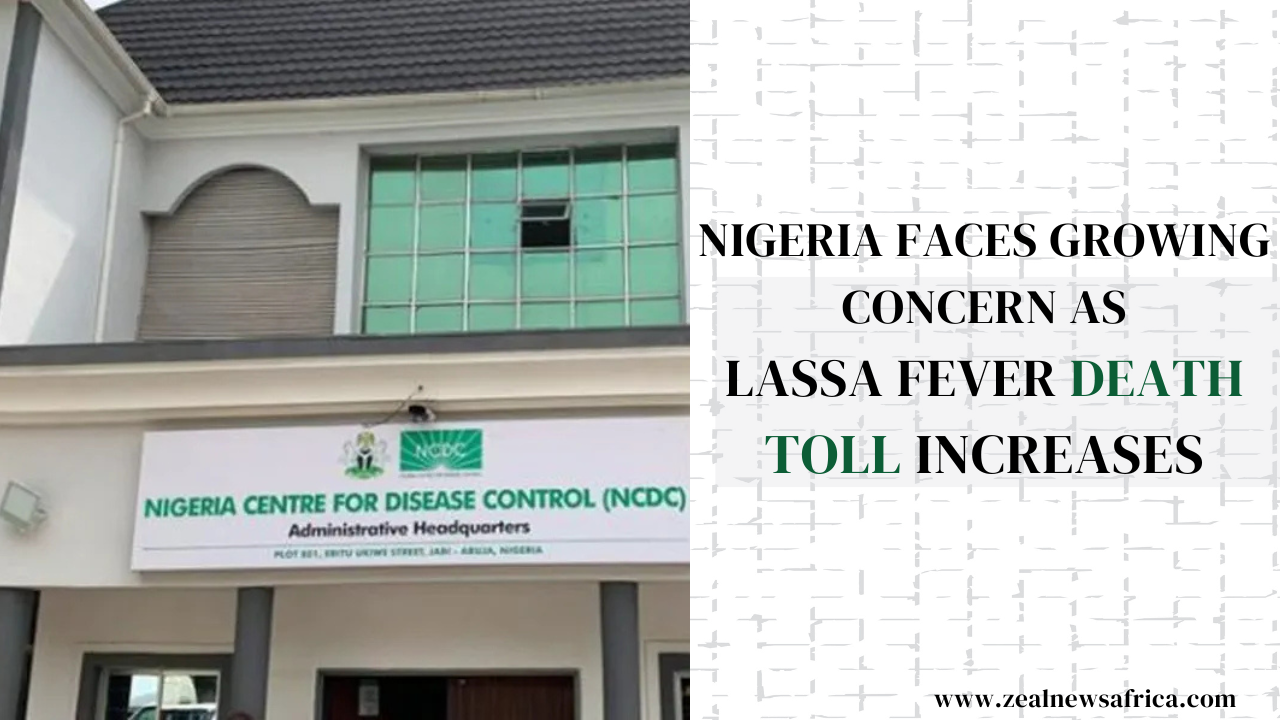
Nigeria is grappling with a worsening Lassa fever outbreak, with health authorities confirming more than 200 deaths across multiple states.
According to the Nigeria Centre for Disease Control (NCDC), as of early 2026, Nigeria had recorded around 80 deaths in the early weeks of the year, with confirmed cases continuing across multiple states.
Two months ago, cumulative reports also indicated that deaths had risen to about 170 nationwide, with a high case fatality rate still being recorded.
Recently, the disease has claimed the lives of 214 people so far in June 2026, while the fatality rate has climbed sharply to 25 percent.
The latest Epidemiological Week 23 report, covering June 1 to June 7, revealed that 13 new confirmed infections and four additional deaths were recorded across Edo, Ondo, Bauchi and Ebonyi states.
Although the number of new infections remained unchanged from the previous reporting week, the increase in deaths has heightened concerns over the severity of the outbreak and the effectiveness of early intervention efforts.
According to the NCDC, Nigeria has recorded a cumulative total of 855 confirmed cases from 5,652 suspected infections reported across 23 states and 109 local government areas this year, underscoring the continued spread of the viral haemorrhagic disease across the country.
The agency noted that the current fatality rate of 25 percent represents a significant increase when compared with the corresponding period in 2025, when 143 deaths were recorded from 758 confirmed cases, resulting in a fatality rate of 18.9 percent.
Key Drivers Behind the Continued Transmission of Lassa Fever
Lassa fever was first identified in Nigeria in 1969 in Borno State, but after its initial outbreak was brought under control, the disease re-emerged in 1974.
It re-emerged again and spread more widely across Nigeria, with a major resurgence in 2018 marking a key turning point in Nigeria’s outbreak history.
Since then, it has remained a recurring public health threat, with seasonal outbreaks reported almost every year in several states.
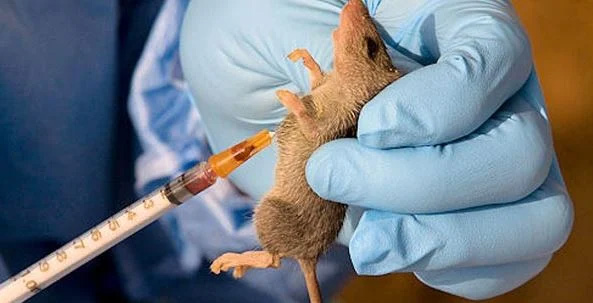
The virus continues to spread largely through poor sanitation and frequent contact with food or household items contaminated by urine or droppings from infected rats, which are common in many communities.
The unsafe food storage practices, open waste disposal, and overcrowded living conditions further increase the risk of exposure, especially in rural and densely populated areas.
Health experts, including officials from the Nigeria Centre for Disease Control and Prevention (NCDC), link continued transmission to low public awareness and poor environmental hygiene.
They also warn that late diagnosis and delayed reporting often allow infections to spread silently before cases are detected and treated.
The disease can also spread in healthcare settings where infection control is weak, especially where protective equipment and diagnostics are limited, contributing to repeated outbreaks.
Health authorities warn that without stronger investment in sanitation and healthcare systems, Lassa fever will likely continue to reappear as a persistent public health threat.
Rising Cases and Death Toll

Recent surveillance reports indicate a steady rise in Lassa fever infections and fatalities across several states, with health authorities confirming ongoing transmission in both rural and urban communities.
The increasing death toll has heightened public health concerns, particularly in areas where limited access to healthcare and delayed hospital visits reduce patients’ chances of survival.
Data contained in the report showed that five states; Ondo, Bauchi, Taraba, Edo and Benue – account for 84 percent of all confirmed cases recorded in 2026.
Ondo State remains the epicentre of the outbreak with 28 percent of confirmed cases, followed closely by Bauchi State with 25 percent, while Taraba accounts for 15 percent.
The NCDC further disclosed that the disease continues to affect predominantly young adults between the ages of 21 and 30, although infections have been recorded among persons ranging from one year to 93 years old.
Explaining the rising death rate, the agency pointed to late presentation of cases at health facilities, poor health-seeking behaviour among affected persons and the high cost of treatment.
These factors, it said, continue to undermine efforts to reduce mortality associated with the disease.
“The number of suspected and confirmed cases has increased compared to the same period in 2025, while late presentation continues to contribute to the higher fatality rate,” the agency stated.
The report also identified poor environmental sanitation and low levels of public awareness in some high-burden communities as major factors sustaining transmission of the disease.
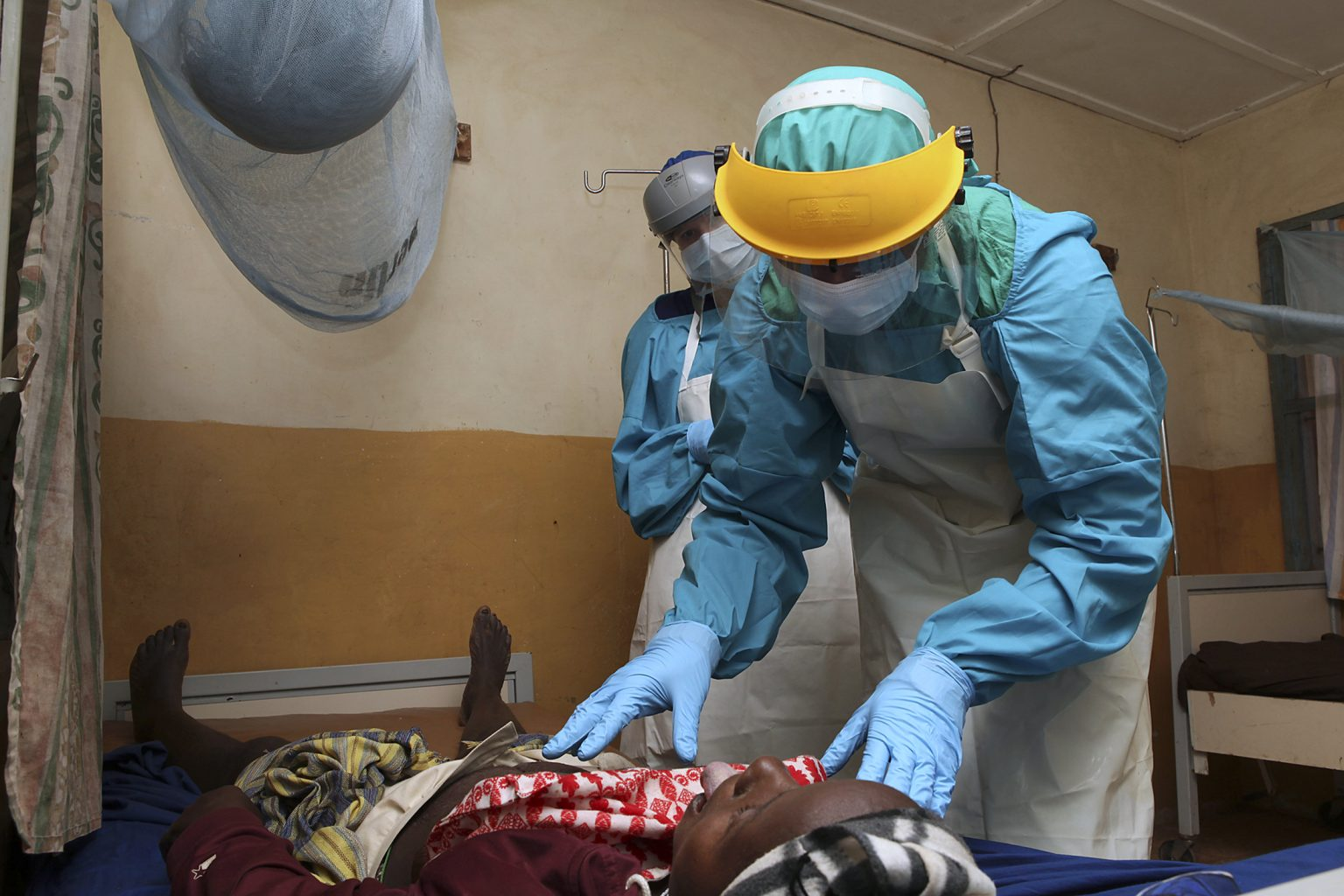
State and national health agencies are increasing monitoring, contact tracing, and case management in affected areas. Isolation centres and rapid response teams have also been deployed to contain new cases.
However, authorities warn that ongoing community transmission remains a challenge, especially where awareness and preventive practices are low.
Challenges in Disease Control
Despite ongoing efforts, several factors continue to hinder the fight against Lassa fever. Poor sanitation, overcrowded living conditions, limited public awareness, and delayed medical treatment contribute to the spread of the disease.
In some areas, shortages of healthcare resources have also made outbreak management more difficult.
Despite the growing concern, the NCDC said response activities remain active at both national and state levels, including surveillance, case management, community sensitization and the training of frontline health workers.
It also noted that no healthcare worker was infected during the reporting week.
The agency advised Nigerians to maintain strict hygiene practices, prevent contact with rodents and seek immediate medical attention upon experiencing symptoms of the infection.
This includes, fever, weakness, sore throat or unexplained bleeding, warning that early diagnosis and treatment remain critical to improving survival rates and containing the outbreak.
They also included that only if these structural challenges are addressed alongside emergency response measures are taken in action, because controlling future outbreaks may remain difficult, particularly in high-risk and hard-to-reach communities.
Government and Public Health Response
The government, alongside health agencies and international partners, has intensified surveillance, public awareness campaigns, and emergency response measures.
Medical teams have been deployed to affected regions, while communities are being encouraged to adopt preventive practices such as proper food storage, improved hygiene, and early reporting of symptoms.
Conclusion
The rising number of Lassa fever deaths serves as a reminder of the ongoing public health challenges facing Nigeria.
While authorities continue to strengthen disease control efforts, long-term success will depend on improved healthcare infrastructure, public education, and community participation.
With them addressing these issues is essential to reducing infections and preventing future outbreaks.